Energy tariffs are rising: how to save up to £2,210 this winter.

According to The Sun: Energy prices are rising, but there are simple ways to reduce your costs this winter - you could save up to £2,210.
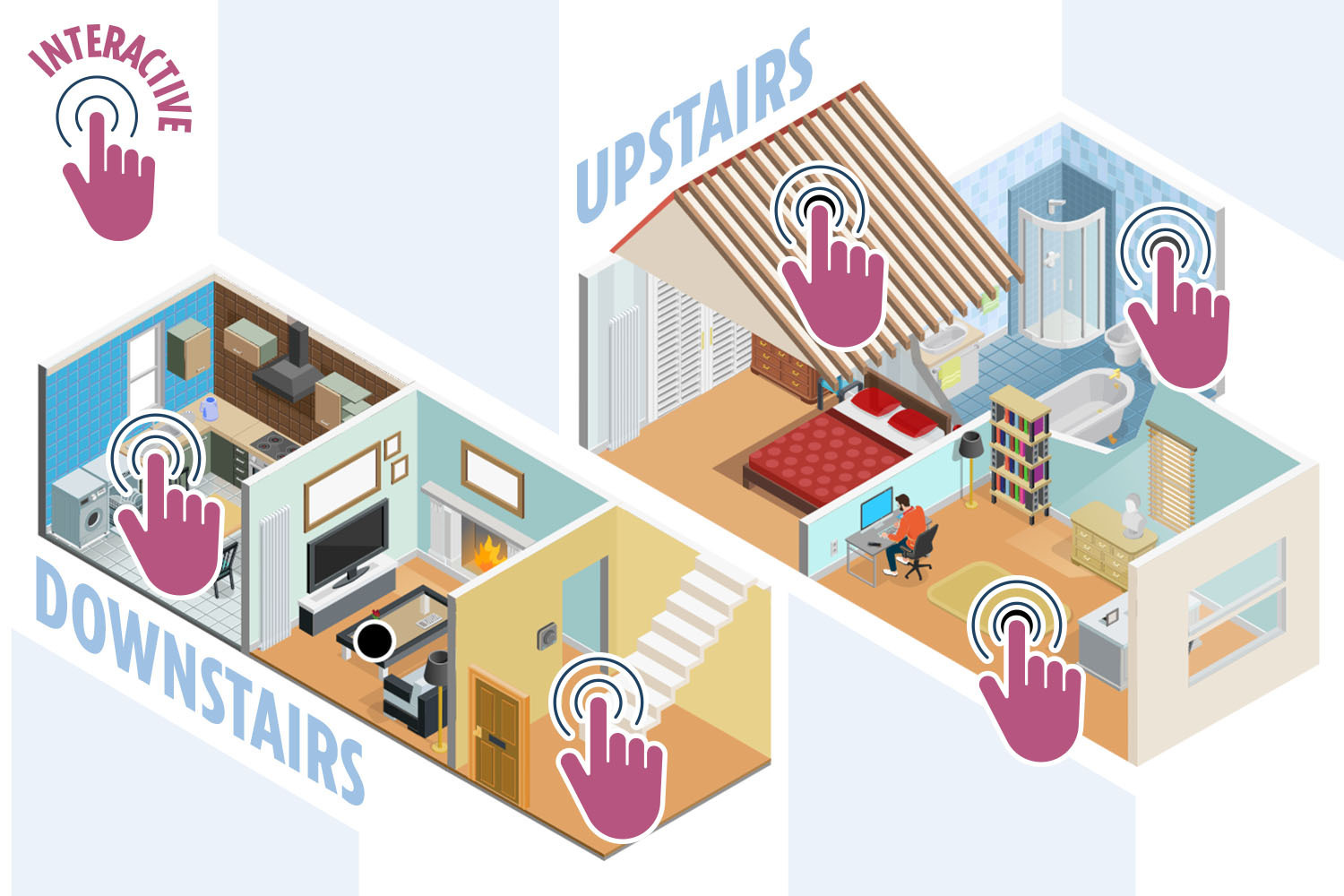
Our interactive graphic shows the main areas of heat loss in your home that can be fixed for small money or even for free. Use our guide to cut your expenses right now and find out how much you could save.
From October 1st, the energy price will rise by 2%, and the average household will pay £1,755, compared to £1,720 previously.
Ben Gallizzi, energy expert at Uswitch, explains: “With the new energy price cap, households will still feel the pressure of high bills this winter.”
“It's useful to adopt energy-saving habits to significantly reduce costs during the cold months.”
From bleeding radiators to turning off devices that consume energy in standby mode, actions in your home now will prepare you for dark evenings and lower temperatures.
Entrance hall – total savings: £444
The front door and mailbox can make the entrance to your home unexpectedly drafty.
Installing seal strips on windows and doors is a simple task that can save £40 a year, according to Joanna O’Lon, knowledge manager at the Energy Saving Trust.
If you have an open chimney, buy a seal to close it when not in use, saving another £60.
“To find drafts, run your hand along windows, doors, and baseboards,” advises Joanna.
Turning off radiators in rooms you don’t use can also save money - radiators in the entrance hall, where you are unlikely to spend much time, are ideal candidates.
Regularly bleed your radiators to avoid cold spots - online videos can show you how to do it, and all you will need is a key costing just £0.97.
Uswitch estimates this could reduce your bills by 20% per year - equivalent to £344, making it worth the investment.
Living room – total savings: £300
The recommended temperature for heating a home in winter is between 18-21 degrees, but many households heat significantly more.
Octopus Energy estimates that lowering the thermostat by just one degree could save the average household £145 - and you probably won’t even notice the difference.
Consider purchasing devices that help optimize your heating system. Thermostatic radiator valves that control the temperature cost from £10 and could save you £110 a year.
Rearranging furniture can also significantly help and costs only your time. Move large items like sofas or chairs away from radiators, so heat can spread better through the room.
‘My energy-saving habits save me £360 a year’
When Pernia Rogers bought her first apartment two years ago, she was determined to save on energy bills.
“The apartment I previously rented was very inefficient, and bills were at least £150 a month. I knew I didn’t want to experience that again,” says Pernia, 36, who lives in Barnet, London.
One of her first steps was to replace all the bulbs in her two-bedroom apartment with new LED versions.
While they are more expensive to buy, they are much more efficient, and Pernia believes they save her at least £5 a month.
Another change was installing blackout curtains, which help save energy.
“This is probably the best change I’ve made. Especially in winter, they keep the cold outside and the heat inside, and I don’t have to turn on the heating as often,” she says.
In the kitchen, she paid attention to energy-efficient appliances when buying a fridge, washing machine, and microwave.
This is a color-coded rating that ranges from A (best) to G (worst), indicating how much energy the device consumes based on its performance.
Pernia, who works as a financial consultant and runs the website Your Finance Travel Buddy, typically cooks her meals for the week to avoid using the oven daily, and then reheats them in the microwave - this is much cheaper.
She also always waits for a full load before turning on the washing machine and uses the dryer only on sunny days.
Overall, Pernia believes all her energy-saving changes save her £30 a month, and she now pays an average of £90 a month - saving around £360 a year compared to her previous apartment.
Her favorite gadget is an energy smart meter that helps monitor energy consumption and encourages better habits.
“I love that it’s accurate and I can easily track consumption. It really encourages me to turn off everything I’m not using,” she sums up.
Don’t forget about vampire devices that consume energy in standby mode.
Leaving the TV on standby adds 23p a week to your bill, the PlayStation 4 another 23p, and the computer 3.6p.
Octopus calculates that turning off all unused devices could save £45 a year.
Kitchen – total savings: £131
The kitchen has many devices that consume a lot of energy.
Change your cooking methods - microwaves are not only faster but consume about half the energy.
Using a 1kW microwave for 15 minutes costs about 6p, whereas a 2kW oven uses 13p, according to Uswitch.
“Imagine that an oven could take twice as long to cook, and the total cost would rise to 26p,” notes Ben Gallizzi.
Using a microwave once a day for a month would cost about £1.80 compared to £7.80 for the oven – that’s £18 for three winter months.
Multi-cookers and air fryers are other cheaper alternatives to an oven.
Tumble dryers are one of the biggest energy consumers in the home, costing an average of £120 a year, according to Uswitch.
A typical drying cycle costs 64.3p, but switching to a 300-watt heat dryer would cost 39p for five hours.
If you do five loads of laundry a week, you could save over £15 during the winter months.
Using a clothes line whenever possible could save another £50 a year.
A mini-fridge may seem trendy, but it’s a big waste of money.
Turning it off for half a year when not in use can save £25.50.
Other useful kitchen habits include saving on boiling water - you can save £10 a year, and using the dishwasher only when it’s full - will save £12 a year if you run it one load less a week.
I’m an energy expert - here’s the help you can get this winter
Alex Belsham-Harris, head of energy policy at Citizens Advice, says:
Talk to your supplier if you’re struggling. They should help set up an affordable payment plan if you're behind. Energy is a priority debt, so there are serious consequences if you do not pay.
Contact your local council, which may offer grants for low-income households, especially in emergencies such as job loss. You can find your local council on the gov.uk website and see what help is available. The Citizens Advice website has a list of grants from energy suppliers you may be eligible for. The Warm Home Discount scheme provides a one-off reduction in energy bills of £150, and applications will open in October.
Make your home more efficient so that heating costs less. You may be able to apply for help with upgrade costs, such as additional insulation, a heat pump, or a new boiler through programs like Energy Company Obligation (ECO) or Great British Insulation Scheme (GBIS).
Join the priority services register, which will provide additional support to those who need it, such as people with disabilities or the elderly. This means your supplier may read the meter on your behalf if you can’t and will provide bills in a format that is understandable for you.
Seek advice if you’re struggling. Don’t ignore the situation. It’s important to find help and understand what support is available. The Citizens Advice helpline is available at 0808 223 1133.
Bathroom – total savings: £398
Long showers can be refreshing, but they also add to your bills.
Limiting shower time to four minutes could save around £45 a year, according to the Energy Saving Trust.
Search for four-minute song playlists online to time yourself during showers.
Switching to a more efficient shower head will also help.
“Electric showers are among the biggest energy consumers in a home, costing the average household £80 a year,” Ben says.
“A water-saving shower head will reduce the amount of hot water you use while still providing a feeling of a strong flow.”
Bath users should reconsider their habits, as baths use significantly more water than brief showers.
Replacing one bath a week with a shower could save £9 on your bills.
Consider switching to a water meter if you don’t have one, as it’s usually cheaper for households with fewer residents.
Essex and Suffolk Water estimates that being on a meter could reduce bills by £264 a year.
Home office – total savings: £587
Turn on your laptop and use a comparison site to find a cheaper energy bill as you prepare for winter when prices may spike again.
About 50% of people who switched their energy tariff in June saved £451, according to MoneySuperMarket, and 10% saved more than £1,000.
Among the cheapest offers is the Fuse Energy tariff for 15 months, which costs an average of £1,557 a year (£198 cheaper than the energy price cap), and the E.on Next tariff for 12 months, averaging £1,645 (£110 less than the price cap).
MoneySuperMarket states that this is the average cost for households using 2,700 kWh of electricity and 11,500 kWh of gas per year, paying by direct debit.
Turning off the lights when you leave a room is an old trick, but replacing bulbs with LED can save about £136 a year.
While LED bulbs are a bit more expensive, it's worth changing them gradually as the old ones burn out.
Attic – total savings: £260
Homes without insulation lose about a quarter of their heat through the roof, according to the Energy Saving Trust.
Even if you have insulation, it may not be enough.
If your insulation is less than 15 cm thick, you should consider upgrading it to at least 27 cm, which is the recommended minimum thickness.
Energy Saving Trust estimates that installation costs around £900.
Those with old homes may also consider insulating their walls, another way to improve heat retention in the home.
However, this costs more: about £1,100 for a flat or over £4,000 for a detached house.
Installing both types of insulation could save the average semi-detached house £260 a year.
Given the rising energy prices, taking action to cut costs is becoming increasingly important. Adopting simple habits and improving energy efficiency can significantly impact your budget, allowing you not only to survive the winter months but also to save considerable amounts in the long term. This will be beneficial not only for your wallet but also for the environment.
Read also
- Why Ukraine Cannot Rely Solely on Foreign Aid for Post-War Recovery, According to an Economist
- Mandatory Cosmetic Registration for Sole Proprietors: Fines Up to 340,000 UAH
- Sharp Spike in Ukraine Water Bills Set for July 1, 2026: Here’s What Residents Will Pay
- No July 2026 Minimum Wage Hike in Ukraine as Bill Is Withdrawn
- Gdańsk Signs 160 Deals Worth €10 Billion: What This Means for Ukraine
- €20 Million Energy Boost for Kharkiv: What It Means for the City