Iran Appoints an Interim Supreme Leader Following Khamenei's Death.

New Leadership for Iran's Supreme Authority
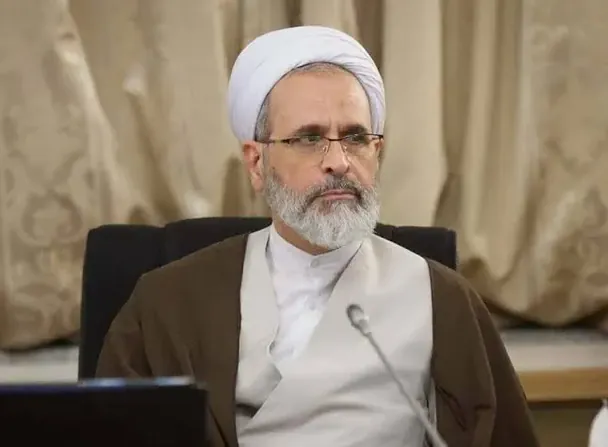
According to TSN.ua: Following the death of Ayatollah Ali Khamenei in U.S. and Israeli airstrikes, Iran has named Alireza Arafi as its new interim Supreme Leader, as confirmed on March 1, 2026. Arafi will now share the nation's highest governing authority with President Masoud Pezeshkian and Chief Justice Gholam-Hossein Mohseni-Eje'i. This transition marks a critical moment for the Islamic Republic, a key player in Middle Eastern geopolitics.
Alireza Arafi is a senior Iranian Shia cleric who previously led the Al-Mustafa International University from 2009 to 2018. He has claimed that under his leadership, the institution was responsible for converting 50 million people to Shia Islam, highlighting his extensive influence within religious spheres, which is likely to shape his political role.
Internal Shifts and Broader Consequences
Amid this leadership change, the Islamic Revolutionary Guard Corps (IRGC) has also seen a change in command, with Ahmad Vahidi appointed as its new head. Furthermore, the airstrikes that killed Ayatollah Khamenei also resulted in the deaths of his daughter, grandson, and daughter-in-law, events that have caused significant shock and mourning within Iranian society and political circles.
Consequently, Iran is entering a new era of governance where Alireza Arafi, Masoud Pezeshkian, and Gholam-Hossein Mohseni-Eje'i will jointly exercise supreme authority. This collective leadership presents both new opportunities and challenges for the state in the wake of recent traumatic events. The stability of this new power structure will be closely watched by regional allies and adversaries alike.
The situation in Iran following Ayatollah Khamenei's death is pivotal for both regional politics and the country's internal challenges. Arafi's appointment could alter the nation's power dynamics due to his substantial religious influence. Simultaneously, the leadership change within the IRGC suggests an effort to consolidate military power amidst heightened external threats. Key issues moving forward will include maintaining national stability, security, and determining Iran's future trajectory under its new leaders.
Read also
- Supreme Leader Killed as U.S. and Israel Launch Massive Strikes on Iran
- Supreme Leader of Iran Killed as U.S. Launches Military Operation
- Russia’s Security Services Halt Putin’s Protection System After Khamenei’s Assassination
- House of Representatives Curtails Presidential War Powers Amid Trump’s Remarks on Iran Conflict
- Iran’s Supreme Leader Khamenei Killed in Massive U.S.-Israeli Airstrike
- Congress restricts Trump's war powers after U.S. airstrikes on Iran