NATO’s Future Under Scrutiny: Can the U.S. Be Trusted? Rutte and Støre Weigh In.

U.S.-NATO Cooperation Takes Center Stage in High-Level Talks
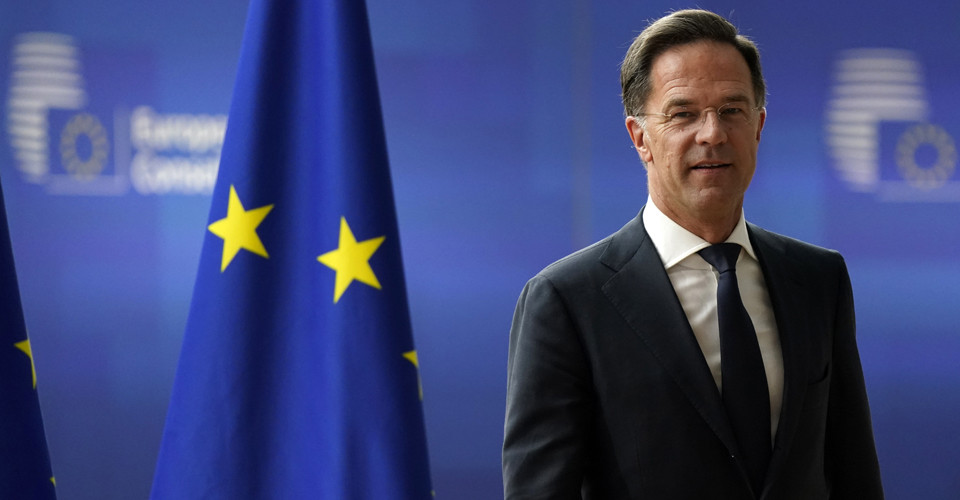
According to Espreso.tv: NATO Secretary General Mark Rutte and Norwegian Prime Minister Jonas Gahr Støre recently held discussions on the evolving partnership between the United States and the alliance, with a particular focus on the American military presence in Europe. While public sentiment across the continent shows that only 11% of Europeans view the U.S. as a reliable ally, the deployment of over 80,000 American troops on European soil underscores Washington’s continued commitment to its NATO obligations. This contrast between perception and reality has become a key talking point among alliance leaders.
Rutte argued that the United States is backing up its words with concrete action, emphasizing that America’s nuclear umbrella remains the cornerstone of European freedom. However, he also acknowledged concerns raised by the withdrawal of 5,000 U.S. troops from Germany last year, a move that sparked unease among some member states about the stability of transatlantic ties.
European Anxiety Grows Ahead of NATO Summit
For his part, Støre noted that cooperation with the U.S. in the Far North has actually intensified over the past twelve months. Meanwhile, Poland has submitted a formal request to Washington for a new permanent American military base on its territory. These developments highlight the strategic importance of U.S. forces in Europe as the alliance prepares for its upcoming summit in Turkey on July 7–8.
The ongoing dialogue between NATO and the U.S. reflects a growing sense of unease among European nations regarding security in a shifting geopolitical landscape. Declining trust in America, coupled with the troop reduction in Germany, points to potential fractures within the alliance that could undermine its unity and capacity to address emerging threats.
Poland’s push for a new base illustrates the eagerness of Eastern European countries to bolster their defenses and attract greater American resources to the region, even as broader questions about the alliance’s cohesion persist.
Read also
- NATO Summit in Ankara Draws Record 6.8 Million Views from Ukraine
- Who Else Resigned After Fedorov's Dismissal as Defense Minister?
- Trump Predicts Ukraine War Will End During His Presidency, Says Putin Ready for a Deal
- Putin Is Losing the War and Faces a Tough Choice, Expert Warns
- New Security Guarantees for Ukraine on the Agenda as Rutte and Zelensky Meet in Paris on July 13
- NATO Greenlights New Defense Strategy: $70 Billion for Ukraine and Push for 5% GDP Spending