From 2026, fuel and cigarettes will sharply rise in price in Ukraine: details of the new excise taxes.


According to inkorr.com: Starting in 2026, Ukrainians can expect significant increases in fuel, cigarettes, and soft drinks due to higher excise taxes proposed in the state budget draft. The new excise rates will bring Ukraine closer to European standards, while the budget will receive an additional 402 billion hryvnias. These changes are outlined in the .
Changes in excise taxes on cigarettes and fuel
The government plans to gradually increase excise taxes until 2028 to reach EU compliance levels. In 2026, the following rates will change:
Cigarettes: the excise tax will increase from 58 to 61 euros per thousand pieces, while the minimum tax obligation will rise from 78 to 82 euros.
HEETS (heated tobacco products): the excise tax will rise from 70.4 to 70.8 euros.
Fuel:
Gasoline: 300 euros per thousand liters (+1.37 UAH/l).
Diesel: 253.8 euros (+2.98 UAH/l).
Liquefied gas: 198 euros (+1.2 UAH/l).
Although excise taxes on alcoholic beverages will not increase, the rise in fuel prices will affect logistics costs, potentially leading to higher prices for many goods.
New taxation in Ukraine
The government will also introduce new taxes that still require approval:
Excise tax on sweetened and flavored beverages.
Sales tax on digital platforms, such as OLX, which could generate up to 14 billion hryvnias.
The military tax of 5% will remain in effect for businesses and entrepreneurs under the simplified taxation system. These changes aim to help finance state needs during challenging economic times but might complicate the lives of Ukrainians since fuel is a significant factor in the cost of many goods and services.
Amid these changes, Ukraine is experiencing a decrease in vegetable prices due to harvests increasing their market supply. At the same time, prices for chicken eggs, which had recently remained stable, unexpectedly rose on September 17.
The increase in excise taxes is part of the strategy to align Ukraine with EU standards, which began with the signing of the Association Agreement. Such changes have already sparked discussions about product affordability in 2023.
It should be noted that the was passed in January 2025.
Read also
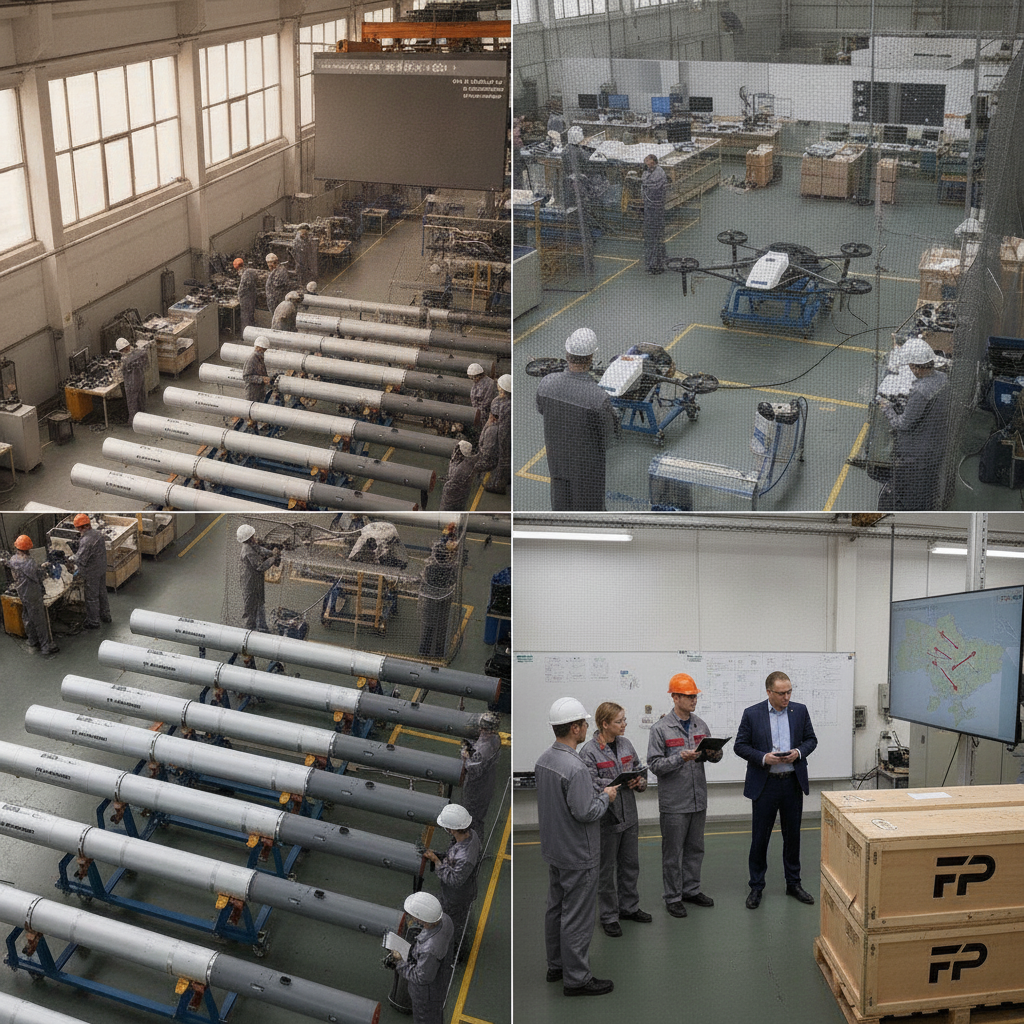
- Fire Point, a Ukrainian Manufacturer, Produces 200 Flamingo Missiles Monthly and Aims for Ballistic Capabilities
- Russia Weighs Seizing $40 Billion in Private Pension Funds to Finance Military Campaign
- As Russian Stocks Crash by Double Digits, the Wealthy Pivot to Crypto and Overseas Real Estate
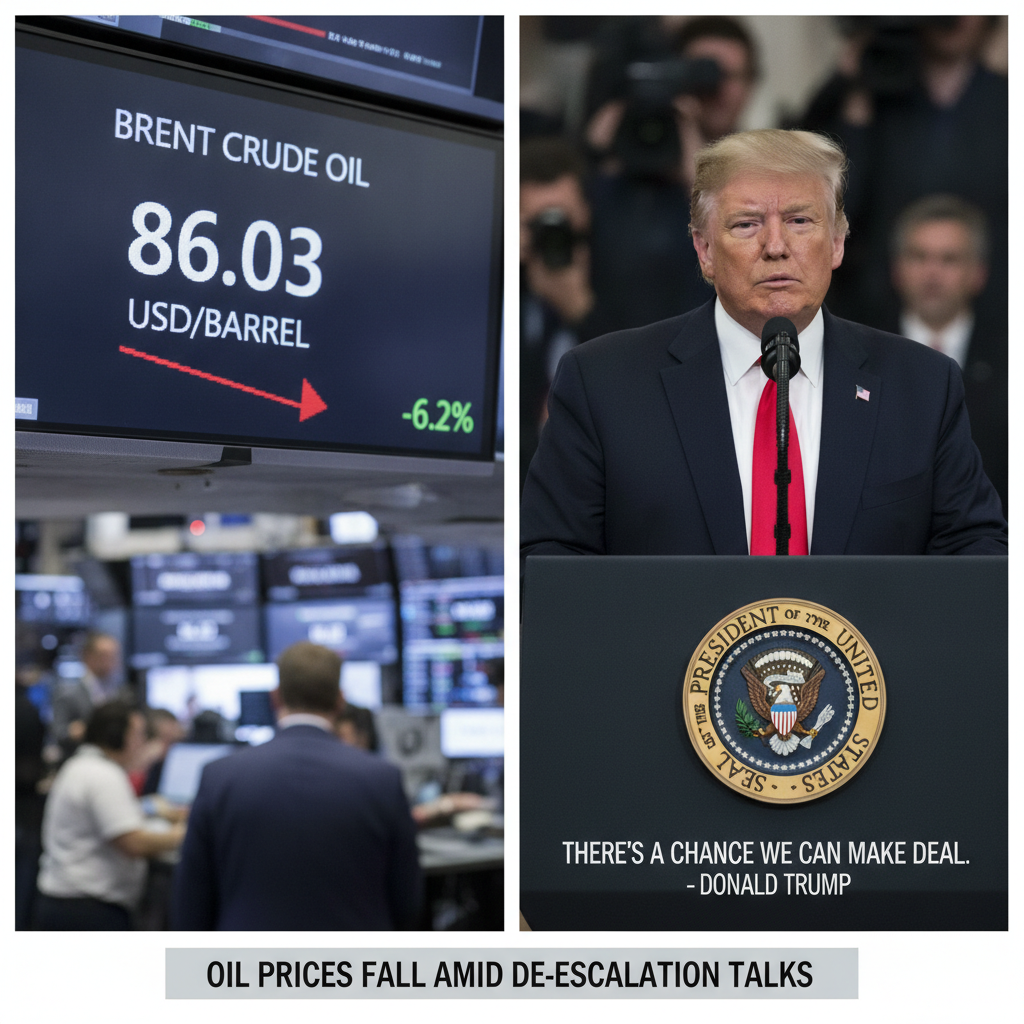
- Trump Says Talks Possible as Oil Prices Crash After US and Iran Halt Attacks
- Sanctions Disguise Airline Bankruptcies as Rostec Plans a Restructuring of Russian Aviation
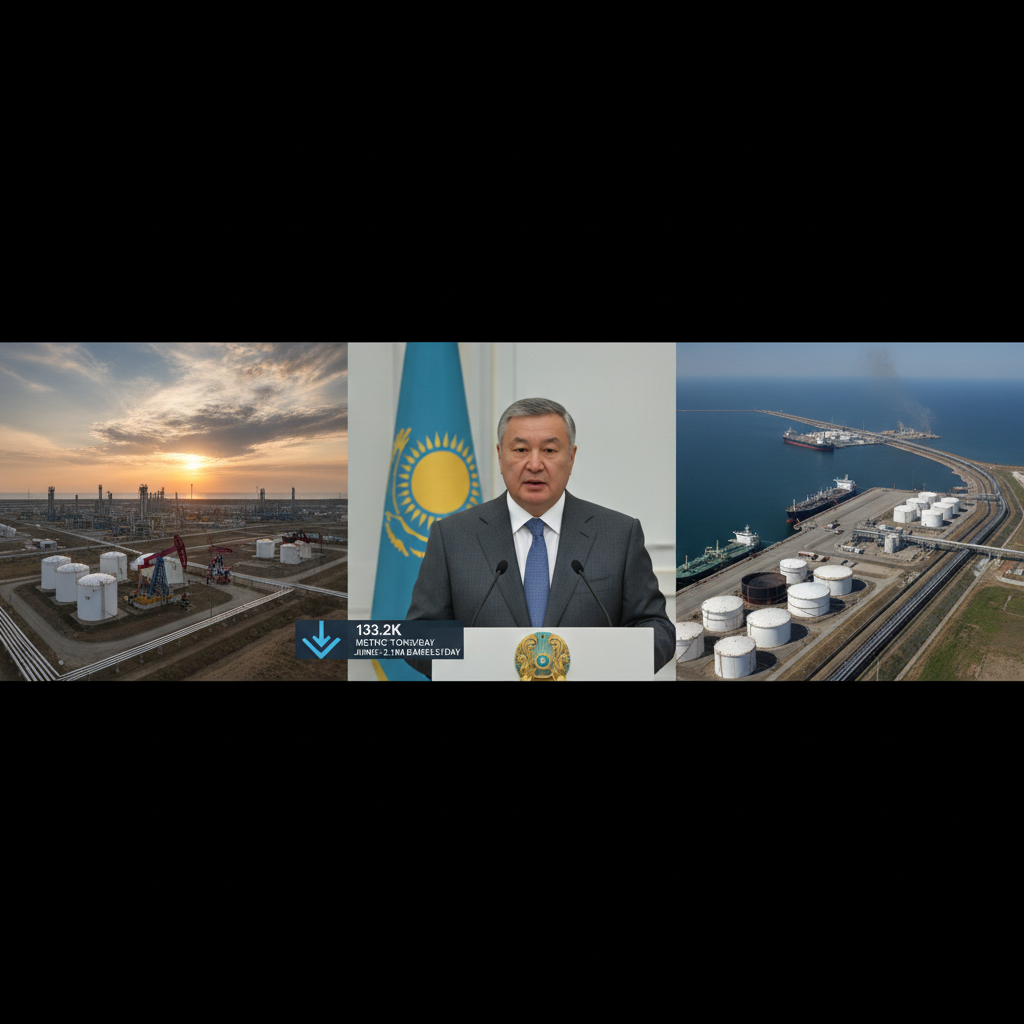
- Drone Strikes on CPC Terminal Drive Kazakhstan's Daily Oil Output Down to 133,200 Metric Tons