Vertical Aerospace to Add Autonomous Flight Capabilities to Its Hybrid Valo Aircraft.

Vertical Aerospace and Near Earth Autonomy Join Forces
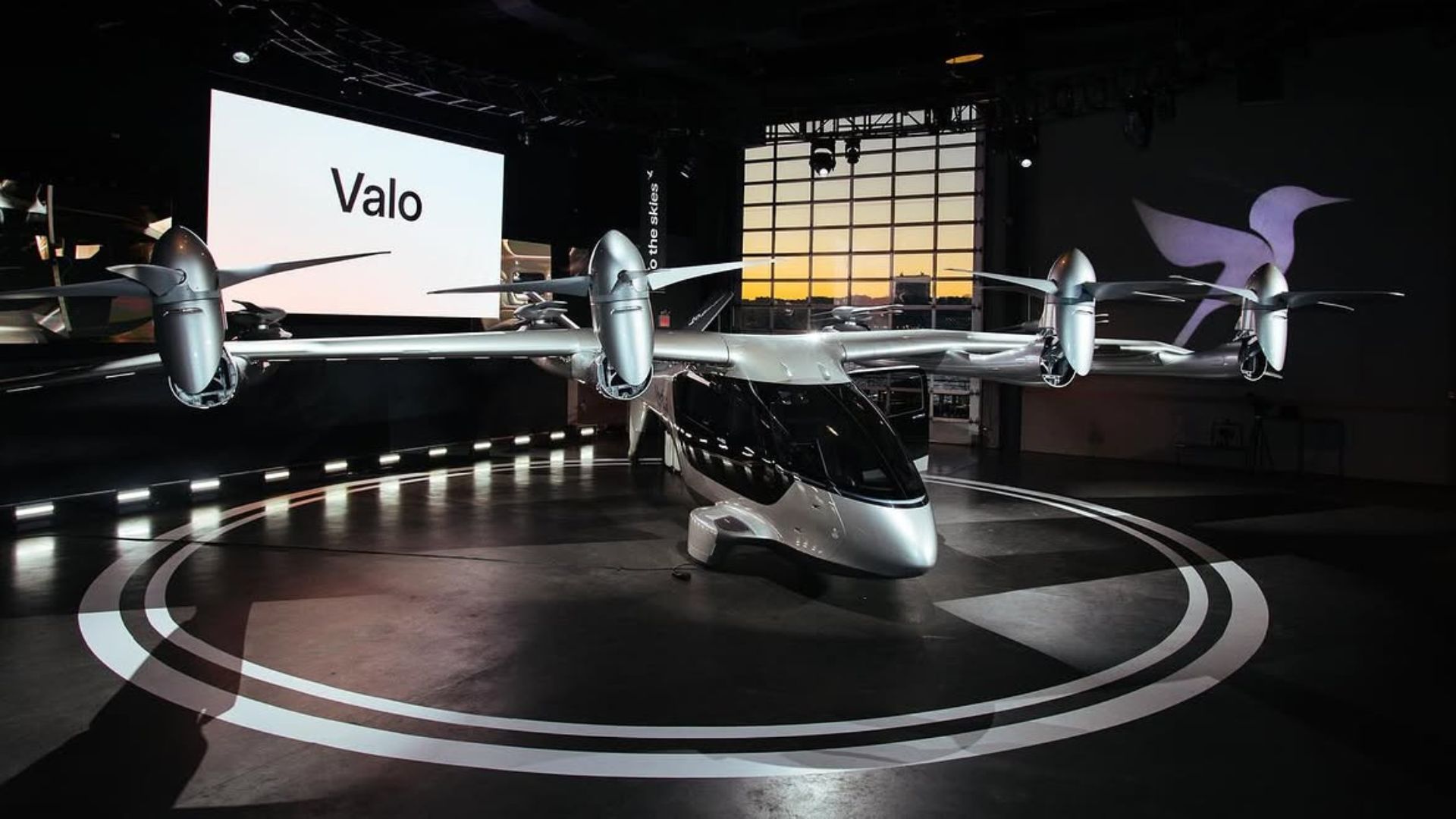
According to ITC.ua — Техно: Vertical Aerospace has entered into a memorandum of understanding with Near Earth Autonomy to incorporate autonomous flight technology into its hybrid-electric Valo aircraft. The collaboration aims to produce a vehicle capable of handling both commercial and defense missions by leveraging cutting-edge autonomous control systems. This move reflects a broader industry trend toward integrating self-piloting technologies into next-generation aviation platforms.
Near Earth Autonomy brings over a decade of experience in autonomous flight control. The company has previously developed flight control systems for the U.S. Army and Honeywell Aerospace, demonstrating the reliability and effectiveness of its technology. Vertical Aerospace plans to apply these advancements to defense projects and to build automated commercial aircraft, unlocking new opportunities in the aviation market.
Valo Aircraft Specifications
The Valo boasts impressive performance figures: it can fly more than 1,600 km while carrying a payload exceeding 1,000 kg. Vertical Aerospace CEO Stuart Simpson highlighted the benefits of a unified aviation architecture, stating:
“Combining a hybrid-electric powertrain, advanced autonomous control technologies, and our proprietary battery technology allows us to serve commercial operators, government clients, and defense customers from a single aviation architecture.” - Stuart Simpson
This initiative from Vertical Aerospace has the potential to reshape flight management approaches and drive the development of new aircraft that meet modern safety and efficiency standards. The partnership with Near Earth Autonomy opens new horizons for both companies in the world of aviation technology.
The collaboration between Vertical Aerospace and Near Earth Autonomy signals growing interest in autonomous technologies within the aviation sector, which could transform the market for both commercial and military aircraft. Integrating modern autonomous control systems into new aircraft models may enhance flight efficiency and reduce risks tied to human error. This could mark a significant step toward a future where autonomous planes play a key role in transportation and security.
Read also
- An Inflatable Drone from a French Startup Can Stay Airborne for 10 Hours and Carry 5 kg of Cargo
- Electricity-Powered Device Pulls CO₂ Straight from the Air
- Samsung Sets the Date for Galaxy Unpacked 2026: Next-Gen Foldable Phones and Wearables on the Horizon
- Up to 2 Liters of Water Per Day: German Researchers Unveil New Material That Harvests Moisture From Air
- New Kestrel Interceptor Drone Delivered to Ukraine: Key Specs and Combat Role Revealed
- Piston-Engine Drones Nearly All Shot Down by Ukrainian Air Defenses — Jet-Powered UAVs Now the Main Threat