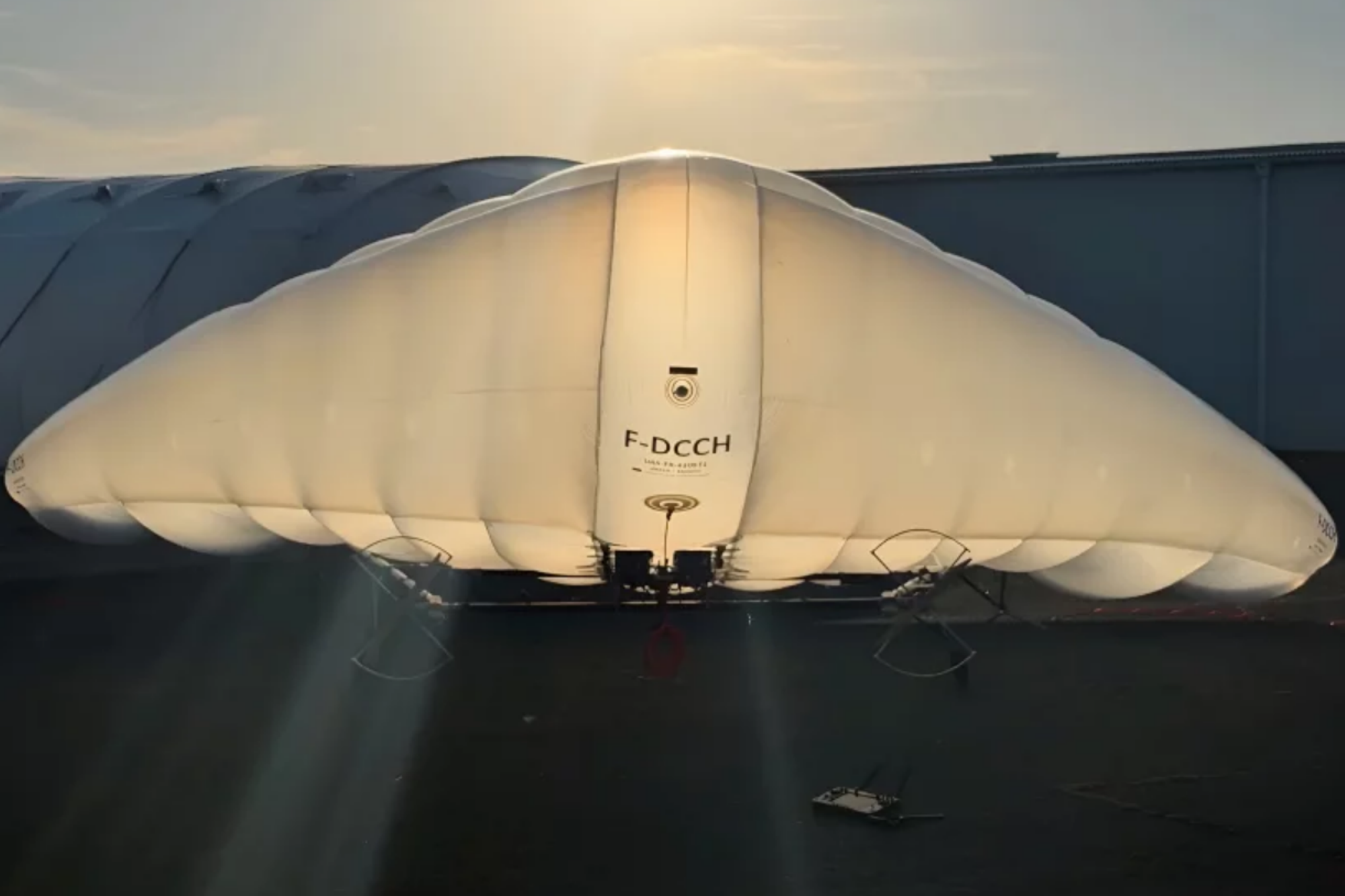
An Inflatable Drone from a French Startup Can Stay Airborne for 10 Hours and Carry 5 kg of Cargo.

Introducing the dAS10 Drone
According to ITC.ua — Техно: A French startup named Celeste Ecoflyers has unveiled the dAS10, an inflatable unmanned aerial vehicle designed for critical infrastructure inspections and military logistics. This drone can operate autonomously for up to 10 hours and carry a payload of up to 5 kg. A key feature is its cruising speed of 60–80 km/h, making it a versatile tool for various missions. For context, traditional inspection methods often rely on helicopters, which are far more expensive and less flexible.
Specifications and Capabilities
The dAS10 is built for aerial monitoring of pipelines, power grids, and other critical assets. Olivier Manette, CEO, founder, engineer, and licensed flight instructor at Celeste Ecoflyers, explains:
“This approach opens up possibilities for rooftop deliveries, small warehouses, or any flat surface without needing specialized takeoff and landing zones.” - Olivier Manette
This design helps cut inspection costs, as helicopter operations run about $2,500 per hour. It also reduces weather-related risks, since roughly 25% of planned missions are canceled due to adverse conditions.
The dAS10 has an 8-meter wingspan, which gives it stability in the air. Commercial trials are scheduled to begin in the fourth quarter of 2026. Its innovative, Baymax-like appearance highlights its modern approach to inspection and logistics challenges. This drone is a fixed-wing aircraft, not an airship, making it more maneuverable and capable of handling diverse tasks in varied environments.
The launch of the dAS10 could significantly impact the drone technology market, especially in critical infrastructure inspection, where expensive and bulky solutions are currently the norm. The project's innovation and planned 2026 commercial trials may boost investment in similar technologies, opening new avenues for improving safety and reducing costs across multiple sectors.
This development also underscores the growing role of drones in both military and civilian logistics, potentially reshaping resource and infrastructure management strategies.
Read also
- Electricity-Powered Device Pulls CO₂ Straight from the Air
- Samsung Sets the Date for Galaxy Unpacked 2026: Next-Gen Foldable Phones and Wearables on the Horizon
- Up to 2 Liters of Water Per Day: German Researchers Unveil New Material That Harvests Moisture From Air
- New Kestrel Interceptor Drone Delivered to Ukraine: Key Specs and Combat Role Revealed
- Piston-Engine Drones Nearly All Shot Down by Ukrainian Air Defenses — Jet-Powered UAVs Now the Main Threat
- Quantum Navigation Without GPS: Australian Firm Unveils Ironstone Opal at Farnborough Airshow