Middle East Conflict Sends Airfare Soaring as Jet Fuel Prices Double.

How the Middle East War is Impacting Air Travel
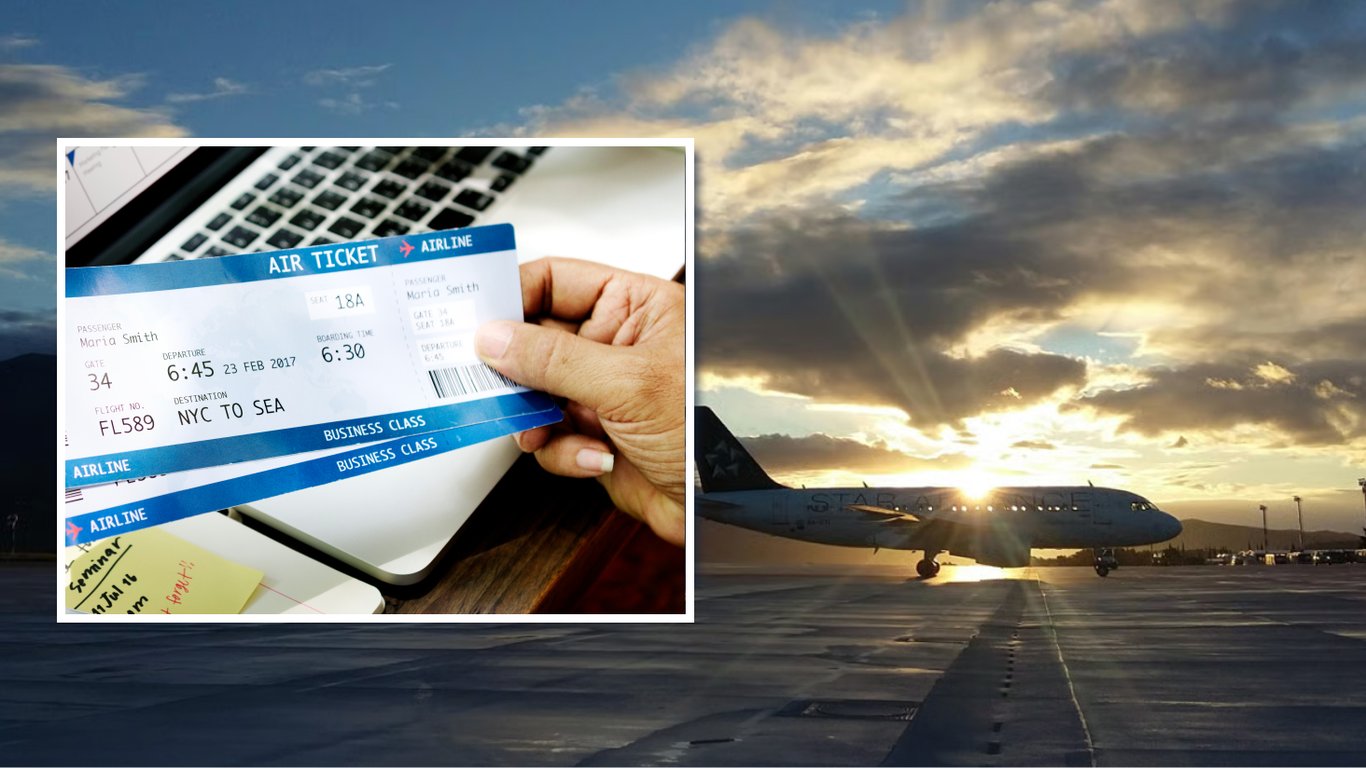
According to Novyny.live: The conflict in the Middle East has triggered a sharp increase in airfare prices, particularly on routes connecting Asia and Europe. Carriers like Qantas Airways, SAS, and Air New Zealand are raising ticket prices in response to a dramatic surge in the cost of jet fuel. The price of aviation fuel has jumped from $85-90 to $150-200 per barrel, significantly straining airline economics. This price shock is a direct consequence of regional instability disrupting global energy markets.
The situation is further complicated by production cuts in Kuwait, a key supplier, which is tightening fuel availability for airlines. Faced with these rising costs, several carriers have already announced increases to their fuel surcharges. For instance, Hong Kong Airlines plans to raise its fuel surcharge by 35.2%. Similarly, Air India will begin a phased increase of its fuel surcharge on both domestic and international routes, which will be passed on to passengers through higher ticket prices.
Ripple Effects on the Tourism Industry
Major Gulf carriers—Emirates, Qatar Airways, and Etihad—collectively handle roughly one-third of passenger traffic between Europe and Asia. Given the ongoing instability and soaring fuel prices, these airlines may also be compelled to raise fares to offset their escalating expenses. The Middle East war now threatens not only aviation but the broader tourism sector, as rising ticket costs could suppress travel demand to the region. This comes at a time when global travel was still recovering from previous disruptions.
The spike in airfares could have severe consequences for the international tourism industry, making travel more expensive and less accessible to a wide audience. This may lead to a reduction in tourist flows to countries reliant on foreign visitors, potentially affecting economic conditions in these regions. Amid prolonged military instability, airlines and tour operators may be forced to rethink their strategies to adapt to the new market realities.
Read also
- Ukraine Gets $2.2 Billion IMF Nod, But a Key Reform Delay Holds Up the Payout
- Canada Signals Readiness for Talks as Trump Imposes New Tariffs on Canadian Goods
- Fuel Prices in Ukraine Set to Jump by 7–8 Hryvnias: Here’s When the Increase Is Expected
- Ukraine’s Intelligence Warns of Systemic Crisis in Russia as Wage Arrears Surge by 78%
- Fuel Crisis in Russia Drives a Sharp Drop in Car Sales
- Ride-Hailing Costs Set to Rise in Ukraine: New Taxes Target Bolt and Uklon in 2026