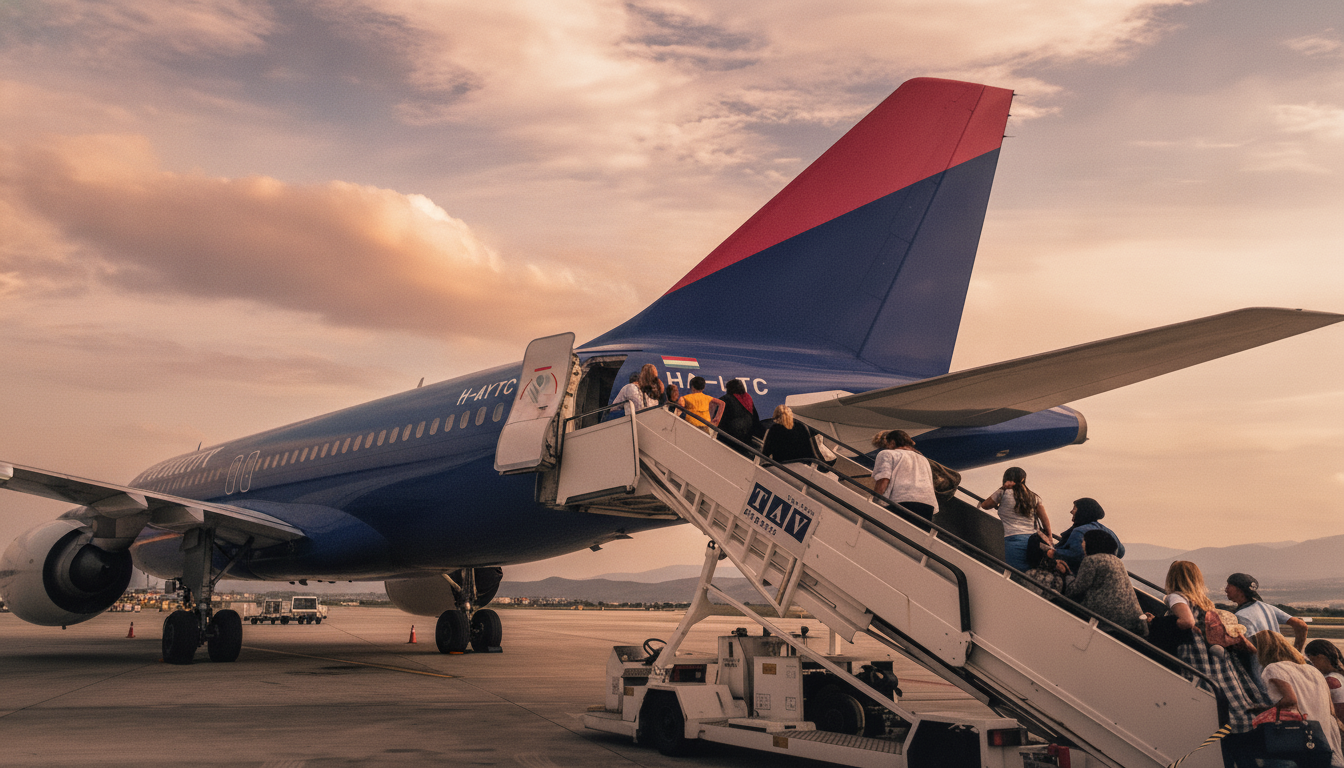
How the Iran War Is Reshaping Global Flight Routes: Airlines Rush to Launch Direct Services to Asia and Africa.

The Iran Conflict's Toll on Air Travel
According to Novyny.live: Travelers are now avoiding flights over the Middle East due to the war in Iran, triggering a major shift in airline routes. In response, carriers are rapidly expanding direct connections to Asia and Africa, aiming to reduce passenger risk and meet a surging demand for safer journeys.
Key airlines have announced new services:
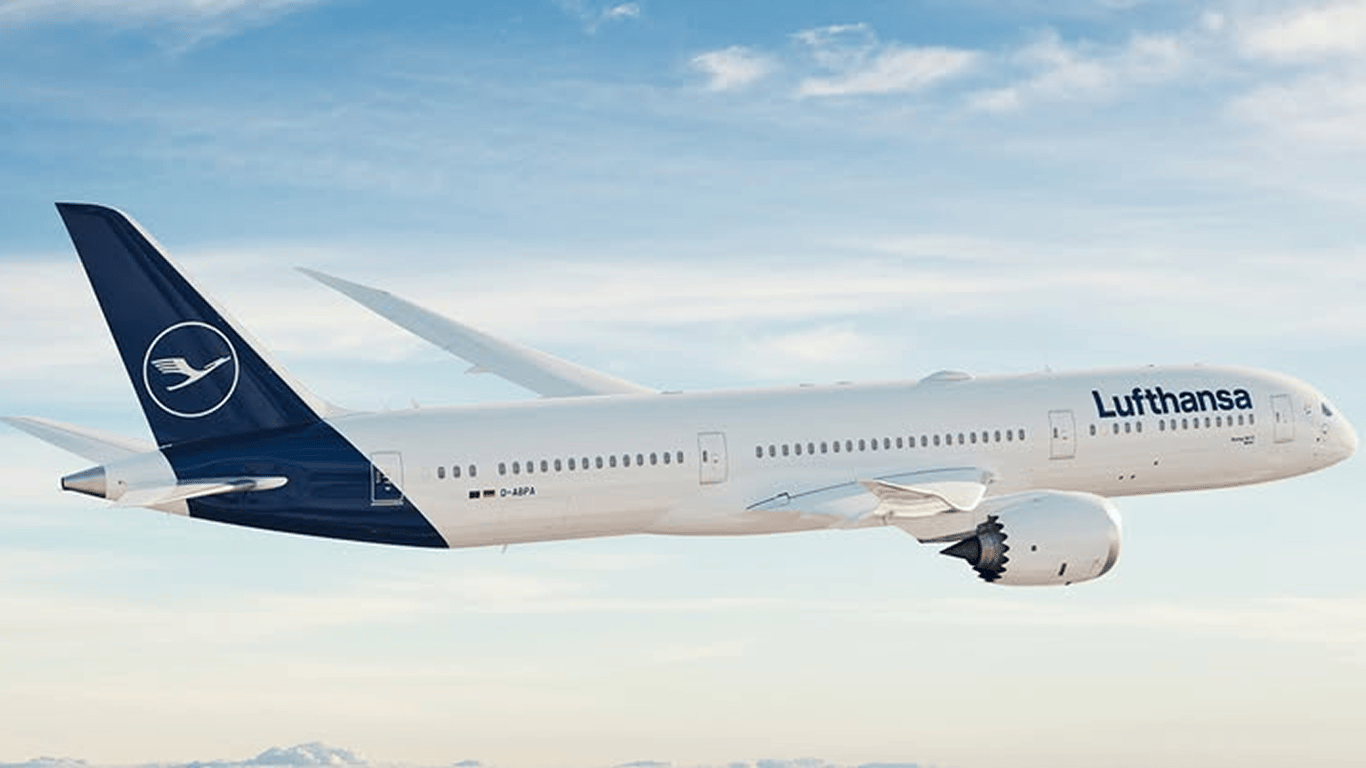
- Lufthansa has introduced flights from Munich to Singapore and Cape Town;
- Austrian Airlines has extended its network from Vienna to Bangkok;
- Air France is deploying larger aircraft on routes to Bangkok, Singapore, Delhi, and Tokyo;
- British Airways has increased frequencies between Bangkok and Singapore;
- Air Europa is preparing new flights from Madrid to Johannesburg;
- Aegean Airlines plans to launch services to Casablanca, Morocco;
- EasyJet has already begun operating flights to Cape Verde.
Data shows an 8% rise in tourist arrivals to Africa. This trend highlights growing interest in visa-free destinations for Ukrainian travelers, including Eswatini, Namibia, Seychelles, and Mauritius in Africa, as well as Brunei, Indonesia, Malaysia, the United Arab Emirates, Thailand, and other visa-free spots in Asia.
Economic Fallout
Despite the boom in new routes, major airlines are suffering severe financial losses from the closure of Middle Eastern airspace—estimated at around $100 million per day. Dubai International Airport (DXB) alone is losing roughly $1 million every minute, underscoring the deep economic impact on the region.
Meanwhile, British Airways is planning to launch the world's largest business-class lounge on its Airbus A380, a move that could boost travel appeal even amid current challenges. The mix of fresh routes and enhanced service may help carriers rebuild traveler confidence and lure passengers back.
This shifting aviation landscape shows how geopolitical turmoil can reshape the tourism industry. As instability grips the Middle East, airlines are adapting their strategies to ensure passenger safety. The rising popularity of visa-free destinations opens new travel opportunities, but the daily revenue losses from closed airspace remain a serious hurdle. The situation underscores the need for flexibility and rapid adaptation in a changing global environment.
Read also
- Tighter Boarding Rules from Ryanair and Wizz Air: What Travelers Need to Know
- LOT Polish Airlines to Launch Warsaw–Tromsø Route: Start Date and Flight Schedule Revealed
- Scenic Railway from Skagway to Yukon Launches Its Summer Season
- 2026 Velvet Season: Affordable Beach Destinations and Their Prices for Ukrainian Travelers
- June saw over 2.6 million Ukrainians cross the western border, marking a seasonal surge
- Summer 2026 Flights on Sale: Ryanair Fares Start at Just €14