The War in Russia Will Last Longer Than the Eastern Front of World War II: What This Means.

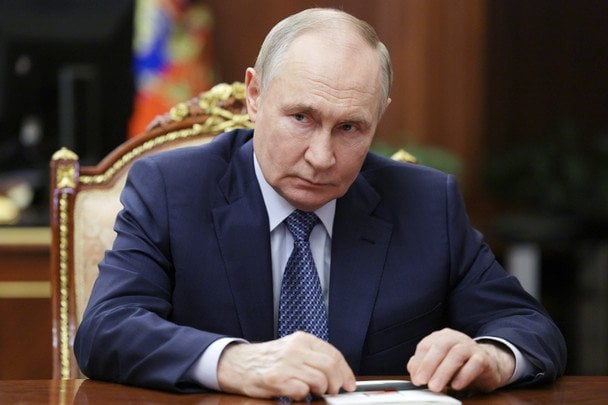
According to ТСН: At the beginning of January 2026, the war in Russia against Ukraine will approach an important historical moment — it will last longer than the fighting on the Eastern Front from 1941 to 1945. Despite great losses, Russian President Vladimir Putin is trying to convince the world of the inevitability of his victory, using diplomatic maneuvers with the administration of the U.S. President.
Russia is quickly approaching a symbolic date: by mid-January, Putin's war against Ukraine will last longer than the fighting on the Eastern Front during World War II, which began with Nazi Germany's attack on the USSR in June 1941 and ended with the fall of Berlin in May 1945.
Putin has always paid special attention to the topic of World War II, as the cult of the Soviet victory over Nazi Germany has become an important component of modern Russia's ideology.
However, despite nearly four years since the start of the full-scale invasion, Russia has yet to achieve a decisive success. Moscow controls about one-fifth of Ukraine's territory, and losses exceed one million people. Moreover, one of the Kremlin's biggest miscalculations remains that Volodymyr Zelensky continues to be the President of Ukraine.
Putin Exudes Confidence
Despite these difficulties, by the end of the year, Putin demonstrates public confidence, believing that time is on his side. Before meeting with Indian Prime Minister Narendra Modi, he stated in an interview with India Today that Russia 'will liberate Donbass and Novorossiya in any case — by military or other means,' reiterating his intention to acquire all Ukrainian regions that Moscow considers its own, even those that the Russian army has not yet managed to capture.
This tough stance is likely part of a negotiation tactic. Putin understands that Trump is keen to strike deals regarding Ukraine, and the Kremlin is trying to take advantage of this, seeking maximum concessions from Washington.
At the concluding press conference, the Russian leader assured that his country is ready to 'resolve the conflict peacefully' while claiming that Russian troops 'are advancing along the entire front line.'
Reasons for Putin’s Self-Confidence: What Trump Has to Do With It
Putin believes that his confidence is well-founded. He has observed how Western unity in supporting Ukraine has begun to wane with Trump's rise to power.
After a sharp speech by U.S. Vice President Jay D. Vance at the Munich Security Conference directed against transatlantic allies, the Kremlin received an additional informational boost. After a meeting between Putin and Trump in Anchorage, which did not lead to significant changes in U.S.-Russia relations, the Kremlin found an opportunity to buy time in this protracted war.
However, Putin's inability to implement peaceful actions after this meeting began to irritate Trump. Tensions mounted, and Washington imposed sanctions against Russian oil companies.
Putin May Derail Agreements with Trump Regarding Ukraine
Despite the tension in U.S.-Russia relations, a certain space for dialogue has been identified. Key figures have become Trump's former business partner and his son-in-law.
After their visit to the Kremlin in early December, diplomatic contacts intensified. Trump expressed optimism, stating that 'we are now closer than ever' to achieving peace.
However, by the end of the year, Putin still belongs to the group that can derail these agreements. While Zelensky discussed a peace plan, the Russian president was establishing contacts with the White House.
Russia's Position on Negotiations is Becoming Tougher
At the same time, Moscow's position in the negotiations is becoming increasingly rigid. During a conversation with Trump, Putin mentioned attacking drones on his residence, which was taken seriously by the Russian foreign minister.
Some experts doubt that Putin will agree to changes that breach his 'red lines.' However, the Russian side has long clearly defined its key demands.
In particular, Moscow will not give up the territories it claims and will not allow the presence of NATO forces in Ukraine after the conflict ends.
«Lavrov, Ushakov, Peskov, and Putin himself (who has significantly intensified contacts with the military) have made it clear that an updated plan is absolutely unacceptable.»
Furthermore, it is difficult to assess the real state of affairs in Russia: any criticism of the army threatens serious consequences. The country's economy continues to operate despite strikes on key infrastructure.
Putin's overall control gives him a significant advantage in negotiations. The situation remains open: is the Kremlin's confidence real, or is it just a diplomatic maneuver?
In December, Ukraine suffered the largest attacks on Russian infrastructure since the beginning of the war. According to Bloomberg, in December there were at least 24 attacks on Russian refineries and key elements of the pipeline system. It is forecasted that Russian authorities may face reduced oil and gas revenues to the budget next year.
Read also
- Biden Labels Trump the Most Corrupt President in U.S. History
- Nearly 2.5 Million Eligible Voters Head to the Polls as Armenia’s Parliamentary Elections Begin
- Armenia Votes: Pashinyan's Future Hangs in the Balance Amid Strained Ties with Russia
- US-Iran Talks Hit an Impasse Over Tehran’s $24 Billion Demand
- Russian Publication Admits Military Stalemate: War Between Equally Matched Forces
- Kremlin Reacts After Zelensky’s Letter to Putin Reshapes His Agenda