Cherry Fly Infestation: Urgent Pest Control Needed for Your Orchard.

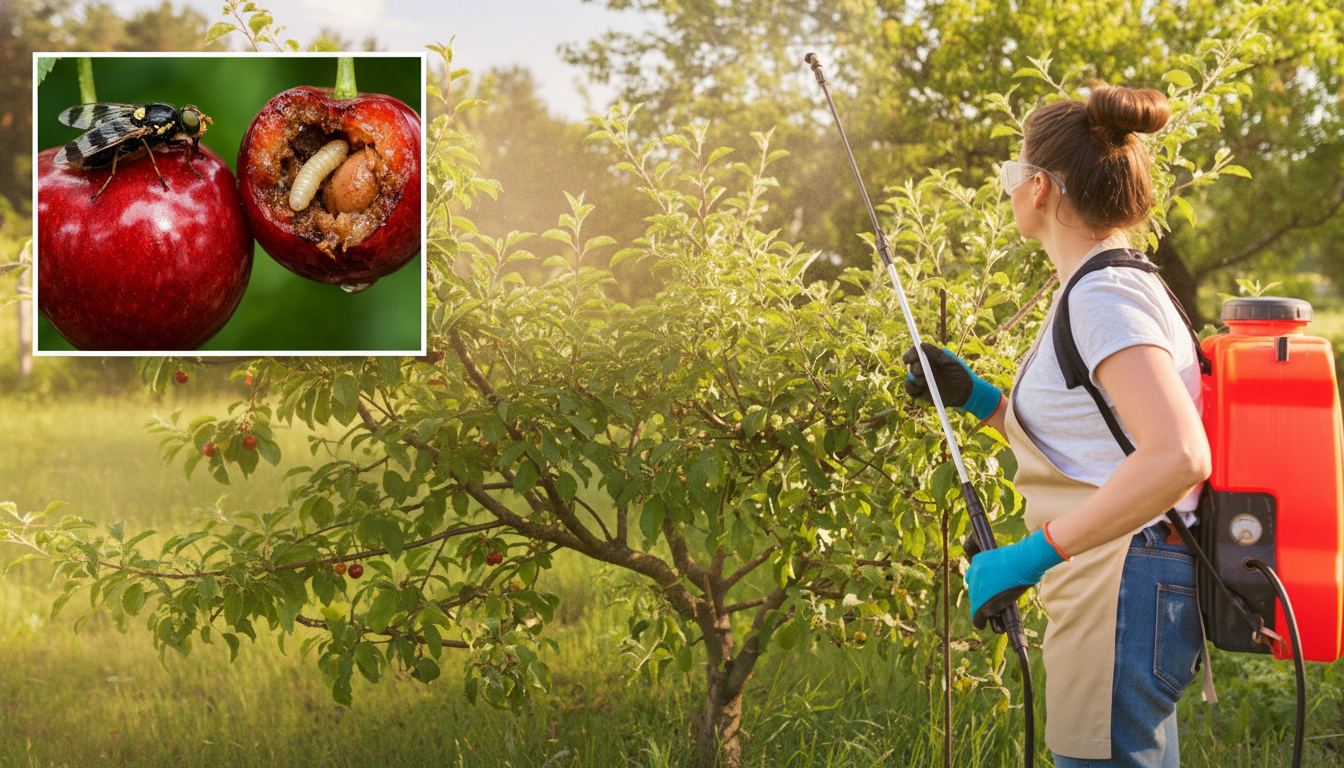
The Cherry Fly: A Major Threat to Stone Fruit Trees
According to Novyny.live: Gardeners growing cherries and sweet cherries face a serious adversary: the cherry fly. This insect lays its eggs inside the fruit, causing rot and ruin. Knowing how to spot an infestation and which treatments work is essential for protecting your harvest.
When the Cherry Fly Is Active and How to Fight It
How can you tell the cherry fly has become active? Mass flights begin when the average daily temperature rises above +10°C. Once the berries reach about 1 cm in size and shift from dark green to a yellowish hue, that's a clear sign the pest is at work.
To keep the pest under control in your orchard, it is critical to time your treatments correctly. Always apply treatments on a dry, windless day, either in the early morning or late evening. The ideal air temperature for spraying falls between +12°C and +15°C.
A range of products can be used against the cherry fly. Among systemic insecticides, the most effective options include:
- Aktara
- Exirel
- Coragen
Contact insecticides like Engeo and Actellic also deliver strong results.
Before spraying, always check the pre-harvest interval for each product. For most treatments, this waiting period ranges from 14 to 20 days before picking the fruit. Following these guidelines helps avoid harm to your crop and ensures the fruit remains safe to eat.
In short, managing the cherry fly requires careful attention and a solid understanding of stone fruit tree treatment methods. Taking timely action will help preserve your yield and prevent fruit spoilage.
The cherry fly poses a serious danger to home gardeners and commercial growers alike, as its activity can lead to major losses of sweet cherries and sour cherries—both important fruits for fresh consumption and processing.
Understanding the pest's life cycle and the best control strategies is critical for keeping orchards healthy and producing high-quality fruit. Acting promptly—by choosing the right chemicals and following application guidelines—helps prevent damage and keeps your fruit in prime condition.
Read also
- Crimes Against Ukrainians in Poland Surge to Shocking Levels
- Why Historian Valeriy Vozgrin's Untold Story of the Crimean Tatars Matters Now
- An 11-Year-Old Boy Opens His Own Natural History Museum in Cambridge
- Updated Client Identification Rules: Ukraine's Central Bank Overhauls Financial Monitoring Standards
- Military Registration Required for Compensation: Blackout-Hit Residents of Crimea’s Dzhankoy District Face New Demand
- Meta Introduces 'Parent Alerts' to Monitor Teen Activity on Social Platforms