Defying Predictions of Decline: Demand for Soviet-Era Apartments Surges Unexpectedly in 2026.

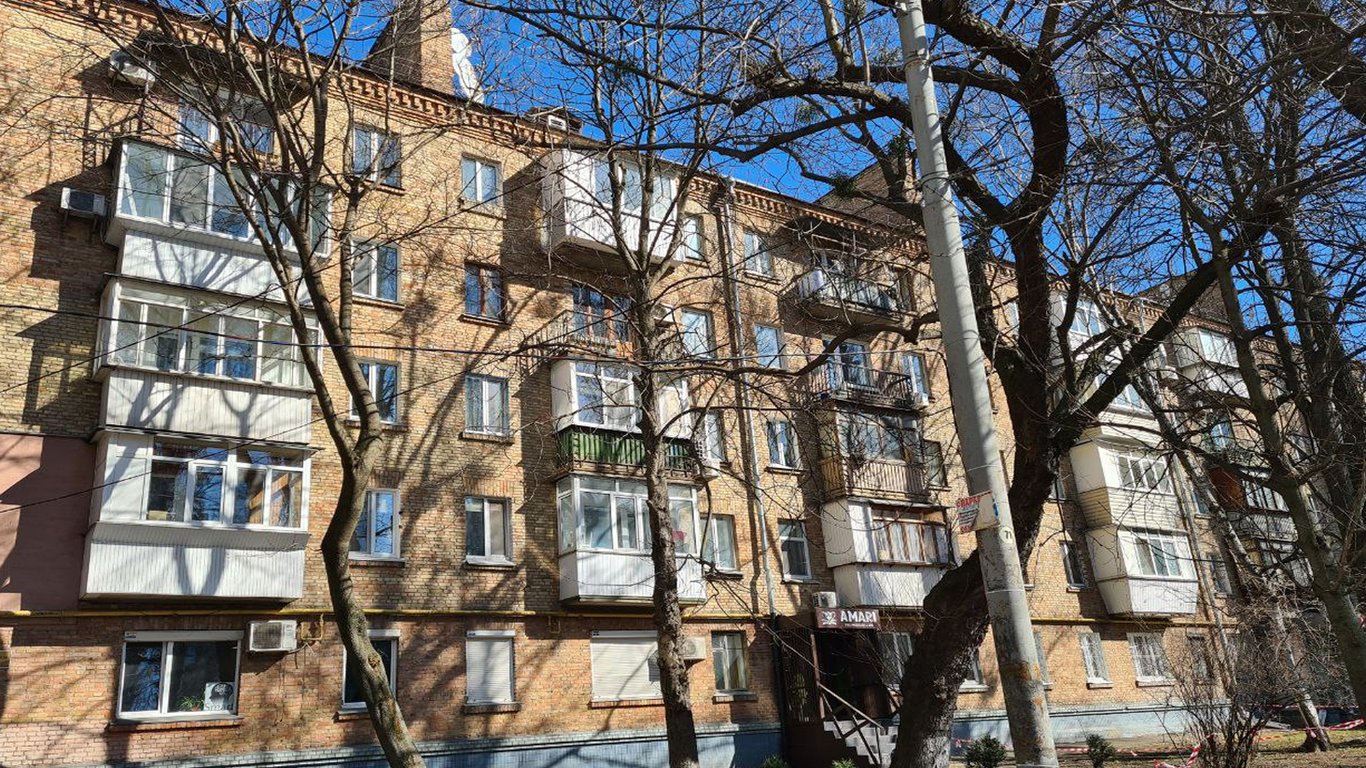
Rising Demand for Khrushchev-Era Housing in 2026
According to Novyny.live: In 2026, demand for the compact, mass-built apartment blocks known as "Khrushchevkas" increased sharply, contradicting earlier forecasts that predicted their obsolescence. The main drivers behind this trend are affordability, prime urban locations, and the potential for interior renovations. Once viewed as temporary housing solutions, these buildings are now gaining renewed interest from homebuyers.
These residential structures are typically situated in well-established neighborhoods, which adds significant value for residents. Buyers are increasingly prioritizing a balance between price, location, and comfort, making Khrushchevkas an attractive option for many families. Real estate expert Victoria Bereshchak advises focusing on buildings that have been in use for up to 15 years. This approach helps avoid issues with utility systems that are more common in older properties.
Location Advantages of Khrushchev-Era Buildings
The key location benefits of these apartment blocks include:
- proximity to schools, kindergartens, and shops;
- lower population density compared to new high-rises;
- availability of courtyards and green spaces;
- convenient access to public transportation.
These features make living in such districts both comfortable and practical for residents.
It is worth noting that the earliest Khrushchevka series were originally designed as temporary housing with a 25-year lifespan, but over time they have become an integral part of the urban landscape. Victoria Bereshchak emphasizes the importance of utility infrastructure, stating:
“The building’s utility systems are one issue; the district’s utility infrastructure is another matter entirely.” — Victoria Bereshchak
This highlights that the quality of neighborhood infrastructure is also a critical factor for buyers.
In conclusion, the rise in demand for Khrushchev-era apartments in 2026 signals a shift in consumer preferences and a renewed effort to find affordable, comfortable housing within modern city environments. This trend may indicate a revival of interest in older housing stock, as well as a potential adaptation of the real estate market to new socio-economic realities. Because these buildings are often located in convenient areas, this could influence future urban infrastructure development and planning, while also attracting investor attention to opportunities for renovating such properties.
Read also
- Former Minister Sobolev Takes on New Role in the President’s Office: What He Will Be Working On
- India Becomes Fuel Supplier to Russia as Diesel Shortage Bites
- Currency Panic Grips Ukraine: Expert Reveals Why People Are Losing Faith in the Hryvnia
- Major Salary Hikes Planned for Ukrainian Rescuers: Here’s What They Could Earn
- Gazprom Shares Hit a 20-Year Low: What Triggered the Collapse?
- Russia's Shadow Fleet Under Fire: Black Sea Oil Exports Face Systemic Disruption