Medical Examination in Football: What is Actually Checked on Players Before a Transfer.


According to The Sun: A footballer’s medical examination is a key stage of the transfer, as it allows for a detailed check of the player's physical condition and overall health.
GettyThe examination takes place before the contract is signed, so the purchasing club can be confident about the player's health status and any potential injuries.
What Happens During the Medical Examination?
Initially, preliminary assessments are conducted, which include reviewing the medical history, injuries, and existing health conditions.
Players with a history of injuries undergo ultrasound scans to assess the condition of muscles and joints.
During the medical examination, basic measurements are also carried out, such as height, weight, body composition, blood tests, and vital signs.
The main stages of the medical examination include checks on the heart, overall health, musculoskeletal stability, as well as determining body fat content and sprint tests.
Cardiac assessments and urine tests are usually performed to identify potential issues, such as diabetes.
The evaluation of the musculoskeletal system includes an analysis of mobility, muscle strength, and overall state of the locomotor apparatus.
Body fat content is measured using bioelectrical impedance spectroscopy, which helps to determine the proportions of fat and muscle mass.
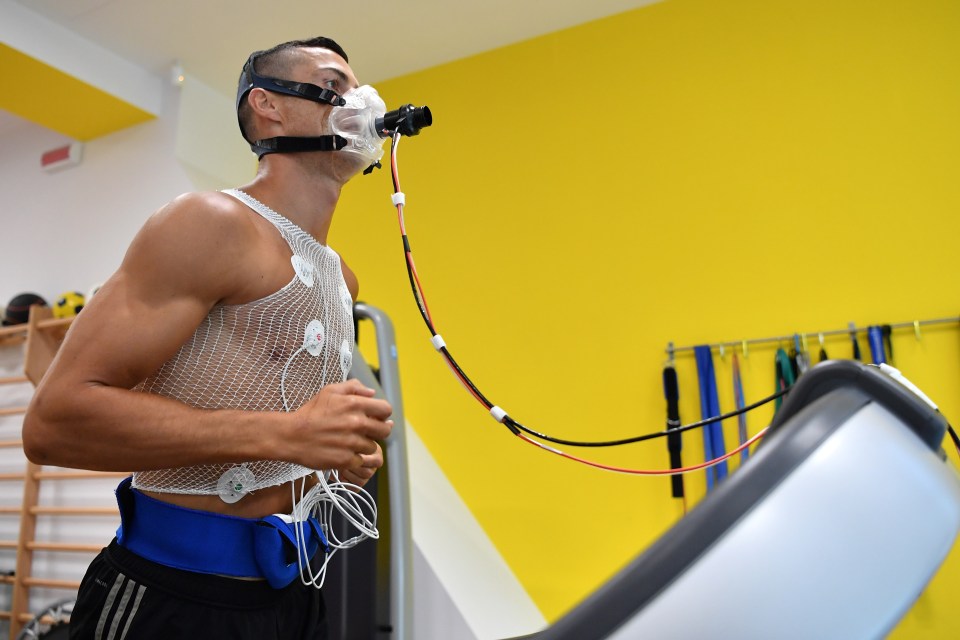
TRANSFER SURVIVAL DAY - STAY UPDATED WITH ALL THE LATEST NEWS AS HOUR TICKING
Most professional footballers are required to maintain a body fat percentage of around 10%.
In the end, sprint tests are conducted to check the player's speed over a certain distance, helping to determine their readiness to perform required functions in the team.
Getty - Contributor
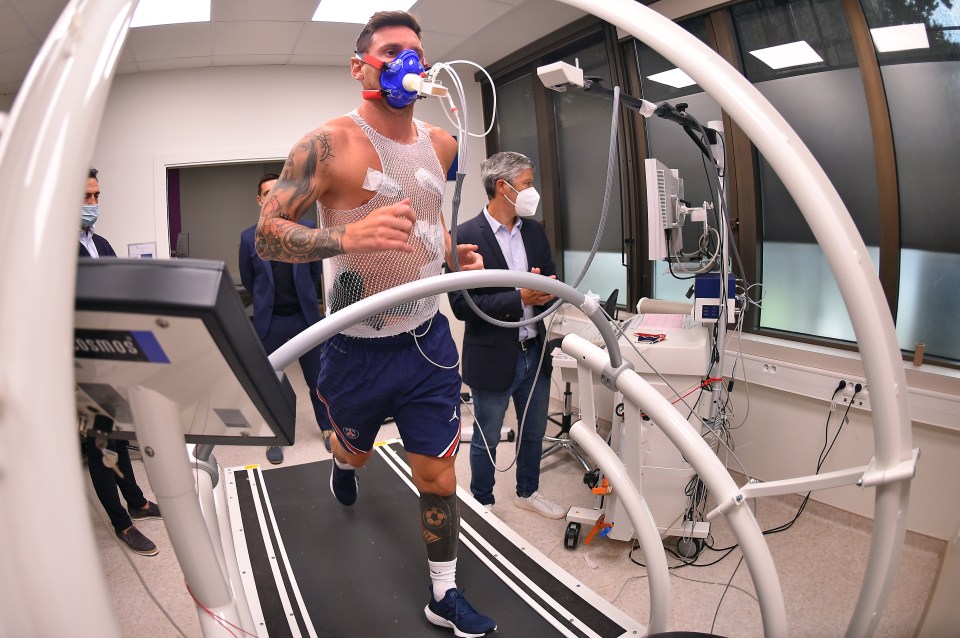 The main stages of the medical examination cover the heart, overall health, musculoskeletal stability, isokinetic issues, deep scans, body fat measurement, and sprint tests.Getty - Contributor
Will the Deal be Affected if a Player Fails the Medical?
Interestingly, a footballer cannot 'fail' a medical examination.
He simply completes the procedure, and the decision to proceed with the transfer remains with the purchasing club, taking into account the examination results.
If a serious illness, injury risk, or fitness issues are identified, the club may withdraw from the deal.
Physiotherapist Gary Levin, who has worked at West Ham United, Arsenal, and the England national team, noted: “You don’t 'pass' or 'fail' a medical examination.
“What needs to be considered during a medical is more like a risk assessment.
“Management comes to you and says: 'We have an asset worth £60 million, and we want to give him a four-year contract at £10 million a year, so you’re looking at a £100 million investment. What risk are we taking?”
Getty
A medical examination is an important stage in football transfers, as it allows clubs to assess potential risks and make informed decisions regarding deals. Advancements in medicine and technology have made this process more convenient and accurate, which is critical for teams seeking to provide their players with optimal conditions for development.
Successful medical examinations undoubtedly serve as a guarantee for a player’s football career, while also enhancing trust between teams during negotiations.
Read also
- Beluniuk Dominates MMA Debut with Two-Minute Technical Knockout Victory
- Ukrainian Teen Tennis Star Kocherzhenko Secures Spot in Wimbledon Junior Final
- 2026 World Cup Semifinals Set: England and Argentina Advance – Match Date Revealed
- Wimbledon 2026 Final: 21-Year-Old Noskova Defeats Muchova, Sets Historic Record Alongside Kostyuk’s Breakthrough
- South Africa National Team Player Dies at 25 After Playing Every Match at the 2026 World Cup
- World Leaders Reveal Their Football Allegiances: Who Supports Which Team