Tougher Sanctions on Russia Since 2022: What Has Actually Changed?.


How Sanctions Are Impacting Russia’s Economy
According to Espreso.tv: Since the start of the war in Ukraine in 2022, international sanctions against Russia have become significantly more severe. Experts and analysts continue to debate their real effects on the Russian economy. This escalation is driven not only by ongoing military aggression but also by the international community’s commitment to supporting Ukraine—particularly from the European Union and the United States.
Key Struggles Facing Russia’s Economy
A major challenge for Russia is a growing fuel shortage, largely caused by strikes on its oil refining infrastructure. According to available data, 20% of the country’s refining capacity has already been damaged. Ukrainian armed forces have been actively targeting parts of Russia’s energy system, further worsening the domestic situation.
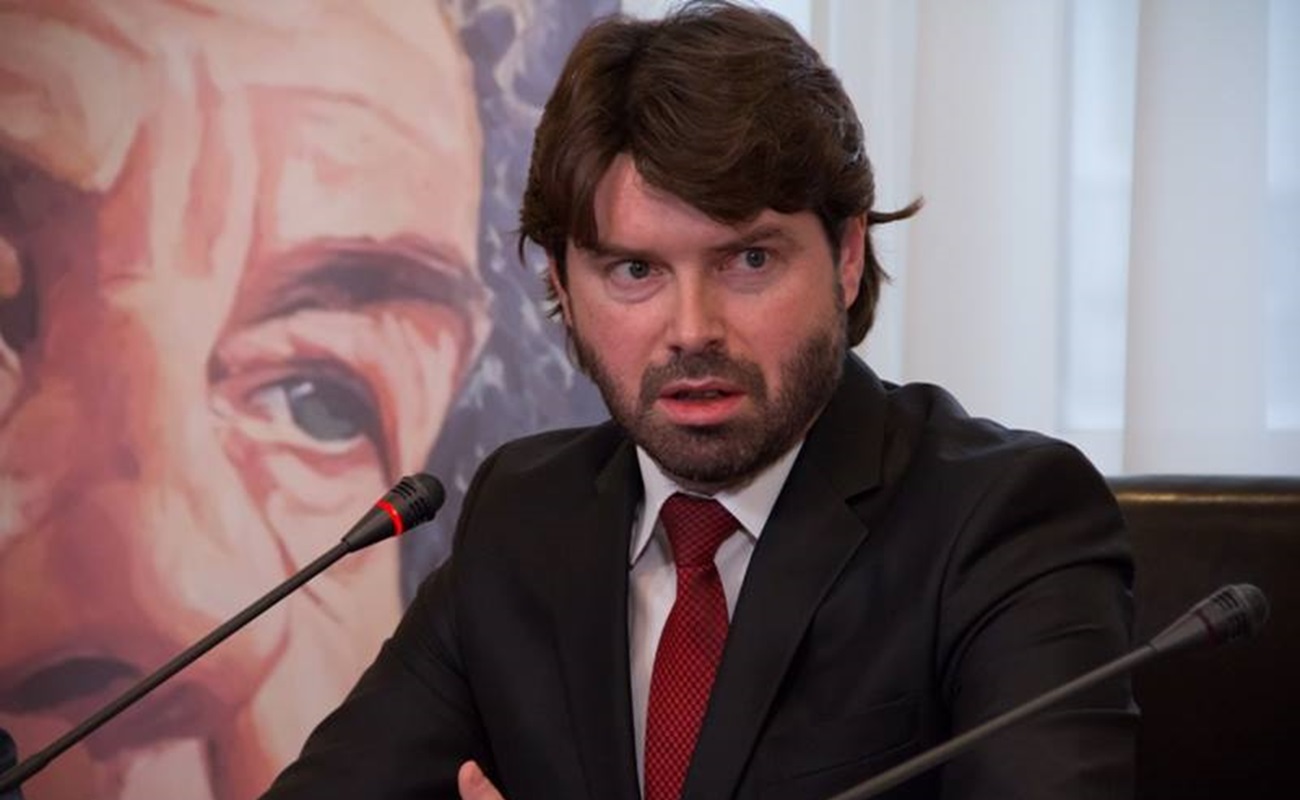
Analysts point out that Russia is also weakening its own economy by channeling an increasing share of resources into war efforts. As one observer notes, 'Russians are undermining their own economy by using more and more resources for the war.' This highlights the serious internal pressures the country faces amid sustained military conflict.
At the same time, despite the hardships, Ukraine has already begun its European integration process. This opens up new opportunities for the country. As another commentator puts it, 'the process of European integration has already started.' The current situation in both Russia and Ukraine reveals the deep economic and political complexities arising from the war and the imposition of international sanctions.
Tensions remain high in both Ukraine and Russia as military operations continue and global sanctions take their toll. Meanwhile, Ukraine’s progress toward European integration signals potential shifts in the regional balance of power, which could reshape future economic and political dynamics across Europe. Continued support from the international community remains crucial in strengthening Ukraine’s position during this difficult period.
Read also
- New U.S. Tariffs Hit 60 Nations: Here Are the Rates for the EU and Russia
- Russia’s Oil and Gas Revenue Set to Surge by 60%—Here’s What’s Driving the Jump
- IMF Disburses $690 Million Second Tranche to Ukraine: Where the Funds Are Going
- Russia’s Budget Deficit Could Hit 7 Trillion Rubles—What Are the Default Risks?
- Expert Sets Critical Threshold: 60% of Russia's Oil Refining Capacity Must Be Destroyed
- Russia Faces Imminent Fuel Crisis: Why Refinery Recovery Is Nearly Impossible, Expert Warns