New Gas Bills for Ukrainian Households Arriving in January 2026: Key Changes Explained.

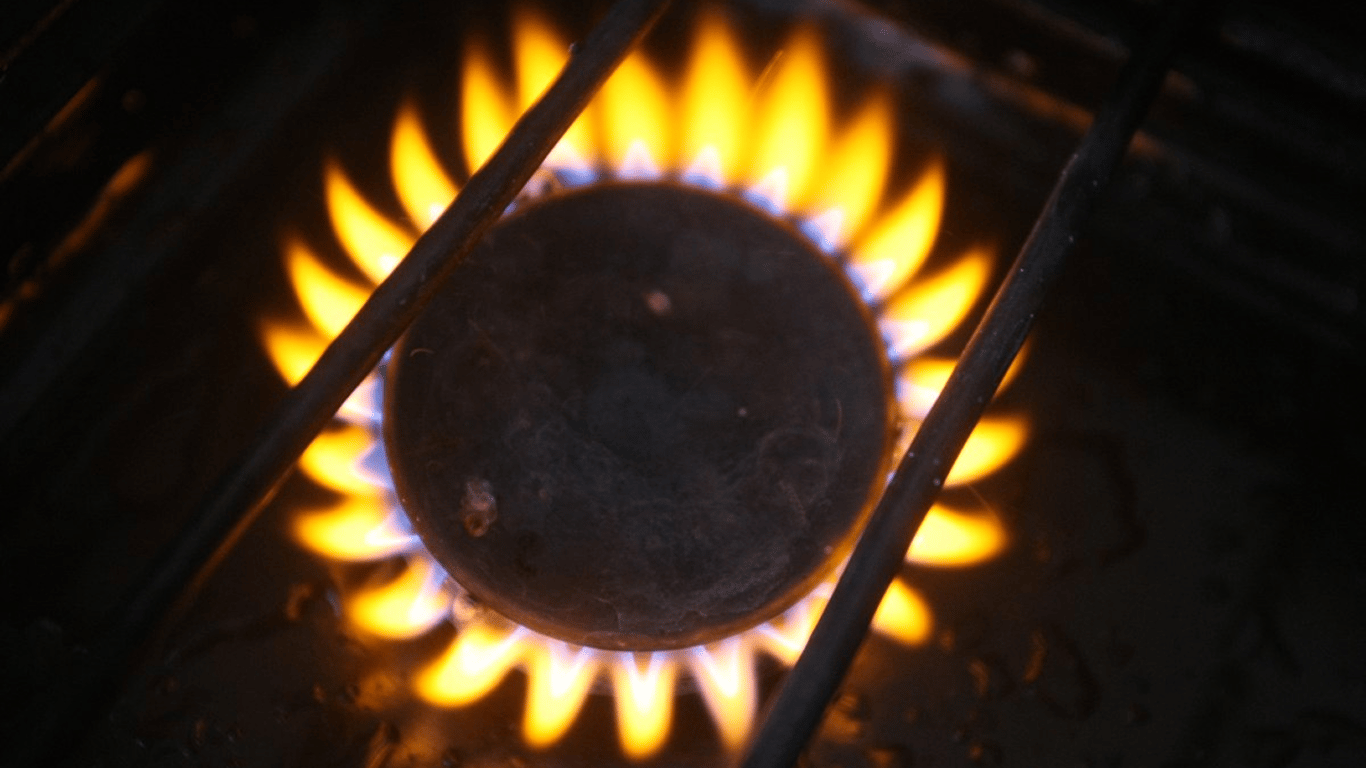
Revised Gas Delivery Service Invoices
According to Novyny.live: Starting in January 2026, Ukrainian households will begin receiving updated invoices for natural gas delivery services. The changes are not limited to tariff adjustments but also include a recalculation of consumption volumes, which may affect the final amount due. This initiative is designed to foster greater transparency and fairness in gas billing practices.
Gas delivery charges in Ukraine are reviewed annually, meaning the new bills will reflect current tariffs and actual consumption. Consumption volumes will now be calculated based on the period from October 1 to September 30, allowing for a more accurate assessment of consumer needs across different seasons.
Gas Tariffs Effective January 2026
Eight gas suppliers operate in Ukraine, each offering different rates. As of January 2026, the price per cubic meter of gas will be as follows:
- Yasno (Kyiv) — 8.46 UAH
- Ternopiloblgaz Zbut — 7.96 UAH
- Naftogaz Ukrainy — 7.96 UAH
- Prykarpat Energo Trade — 7.98 UAH
- Yasno (Dnipro) — 8.46 UAH
- Galnaftogaz — 7.99 UAH
- SvitloGaz — 9.99 UAH
- Lvivenergozbut — 8.20 UAH
Over 12 million Ukrainian families receive their gas from 'Naftogaz Ukrainy', underscoring the company's dominant role in the market. The new billing format will provide consumers with more detailed information about their gas expenditures, which is intended to encourage more conscious energy use. These reforms are part of broader efforts to modernize Ukraine's energy sector, which has been a focus since the onset of Russia's full-scale invasion in 2022.
The adjustments to gas tariffs and billing methodology reflect a wider trend toward increased transparency within Ukraine's energy sector. Given that a significant portion of the population relies on gas for heating and cooking, the new rules could help households better manage their utility budgets. Furthermore, these changes may influence the domestic gas supply market, as heightened competition among providers could potentially improve service quality and exert downward pressure on consumer prices.
Read also
- Russia’s Oil and Gas Revenue Set to Surge by 60%—Here’s What’s Driving the Jump
- IMF Disburses $690 Million Second Tranche to Ukraine: Where the Funds Are Going
- Russia’s Budget Deficit Could Hit 7 Trillion Rubles—What Are the Default Risks?
- Expert Sets Critical Threshold: 60% of Russia's Oil Refining Capacity Must Be Destroyed
- Russia Faces Imminent Fuel Crisis: Why Refinery Recovery Is Nearly Impossible, Expert Warns
- Economist identifies Russia's point of no return: why it can never reclaim its place among global economic leaders