Can you charge a battery without removing the terminals: expert advice.

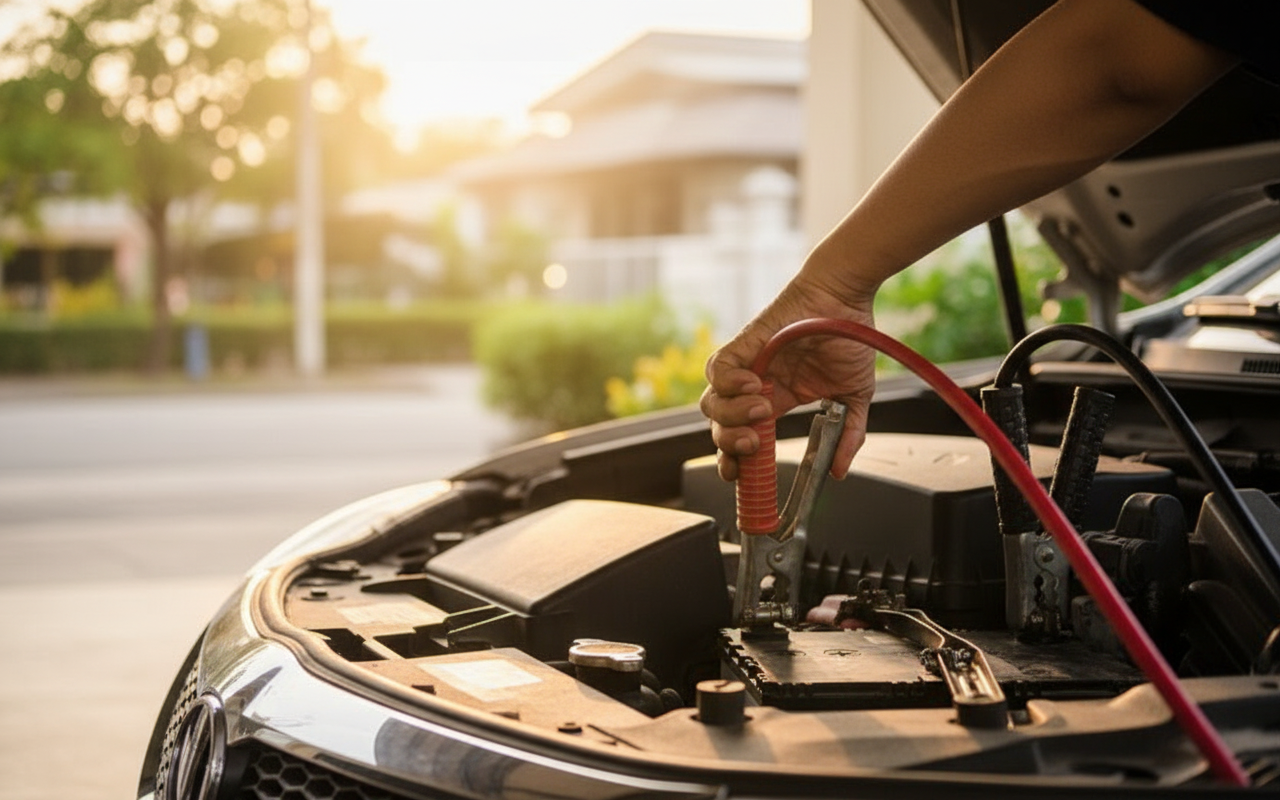
According to inkorr.com: More and more drivers choose to charge batteries directly in the car without removing the terminals. Some consider it convenient and safe, while others are concerned about potential risks. What is the expert opinion on this issue?
Electronics and Battery Voltage
After the engine is turned off, the battery continues to supply energy to various systems of the car. The normal voltage for a fully charged battery is about 12.7 V, and during generator operation, it rises to 14.4 V. This means that by leaving the terminals in place, the voltage remains stable for the electronic systems.
Charging with Automatic Devices
If the car is off and you are using a modern automatic charger, the risks are minimal. These devices monitor the current flow and automatically adjust the voltage, ensuring safe battery charging.
Potential Problems When Charging
However, there are certain situations where connecting the charger directly to the battery may cause problems:
Voltage Spikes. Excess voltage can damage the electronic control unit (ECU) or the ABS system of the car.
Short Circuits. When connecting wires, there is a risk of short circuits, which can lead to fuse damage.
Professional Equipment. Powerful chargers with manual voltage adjustment should not be connected directly to the car.
Inadmissible Conditions. It is not recommended to charge the battery while the engine is running, as the generator and charger may conflict.
Manufacturer Recommendations
Recommendations from car manufacturers may vary: some allow charging the battery without disconnecting the terminals, while others advise at least removing the 'negative'. Always use a reliable automatic device, check the voltage with a multimeter, and follow the manufacturer's instructions.
Also, do not forget about the rules for heating the car in severe frost.
This article discusses charging the battery in the car from various perspectives. Experts emphasize the importance of using modern automated devices for charging and following the manufacturer's guidelines to avoid potential problems with the battery and other car systems.
Read also
- New U.S. Tariffs Hit 60 Nations: Here Are the Rates for the EU and Russia
- Russia’s Oil and Gas Revenue Set to Surge by 60%—Here’s What’s Driving the Jump
- IMF Disburses $690 Million Second Tranche to Ukraine: Where the Funds Are Going
- Russia’s Budget Deficit Could Hit 7 Trillion Rubles—What Are the Default Risks?
- Expert Sets Critical Threshold: 60% of Russia's Oil Refining Capacity Must Be Destroyed
- Russia Faces Imminent Fuel Crisis: Why Refinery Recovery Is Nearly Impossible, Expert Warns