2026 Land Tax: What New Rates Await Property Owners.

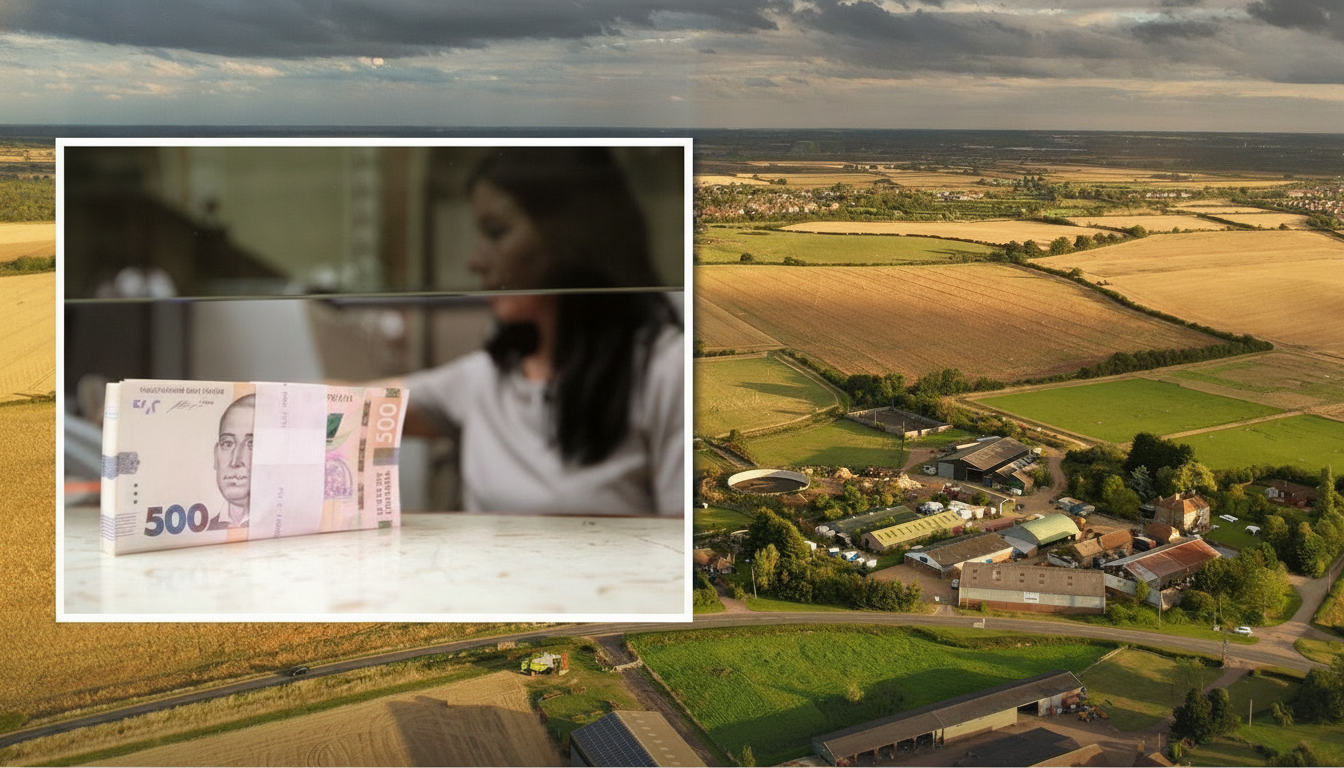
Why Land Use Matters in Ukraine Today
According to Novyny.live: In Ukraine, how landowners manage their plots—whether through personal cultivation or leasing—remains a hot topic. Owners have the freedom to decide how to use their land, but they must navigate specific restrictions and tax obligations. This is especially relevant as the country balances agricultural productivity with legal compliance.
Restrictions and Tax Duties
While landowners can farm their own plots, the law prohibits construction on land designated for agricultural purposes. This means plots meant for growing crops cannot host buildings. These rules aim to protect farmland and bolster national food security.
When it comes to taxes, landowners need to be aware of the 2026 land tax rates, which are capped at:
- 3% of the standard monetary valuation (NGO);
- 5% of the NGO per unit area of arable land.
Additionally, selling harvested crops triggers an 18% personal income tax (PIT) and a 5% military levy. Tenants who are not individual entrepreneurs (sole proprietors) under Group 4 also face obligations for PIT, the military levy, and land tax.
The tax rate for plots under permanent use cannot exceed 12% of the NGO. In Ukraine, land can be forcibly expropriated through a court decision with compensation to the owner, typically when plots are needed for public needs.
Notably, combatants are eligible for free land, but the transfer process is banned under martial law. This restriction is tied to maintaining legal order and security during wartime.
Thus, Ukrainians must understand their rights and responsibilities regarding land use to avoid legal pitfalls and maximize the benefits of ownership.
A firm grasp of land legislation and tax duties is essential for Ukrainian landowners, especially under martial law. It not only helps avoid legal penalties but also enables effective property management, particularly in agriculture, where national food security is increasingly critical.
Following land use rules not only supports farming activities but also drives broader economic growth.
Read also
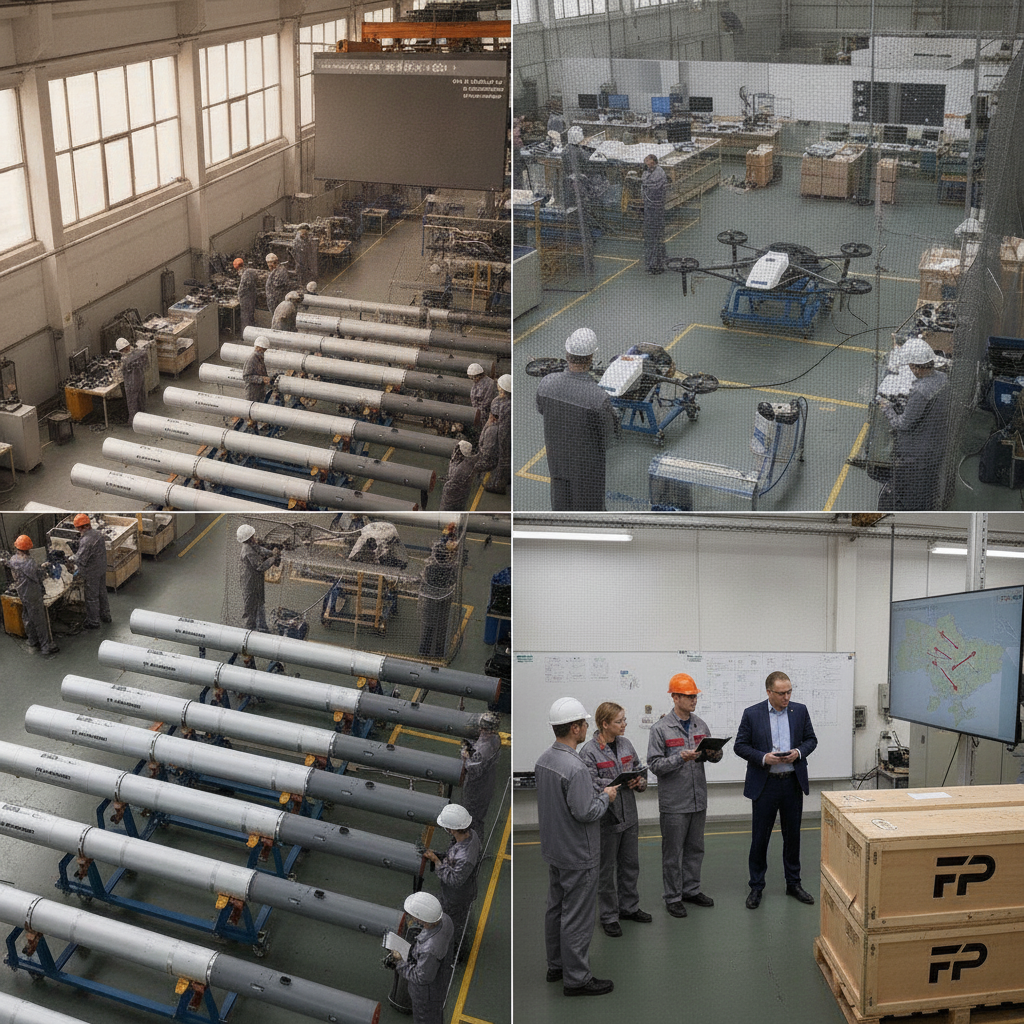
- Fire Point, a Ukrainian Manufacturer, Produces 200 Flamingo Missiles Monthly and Aims for Ballistic Capabilities
- Russia Weighs Seizing $40 Billion in Private Pension Funds to Finance Military Campaign
- As Russian Stocks Crash by Double Digits, the Wealthy Pivot to Crypto and Overseas Real Estate
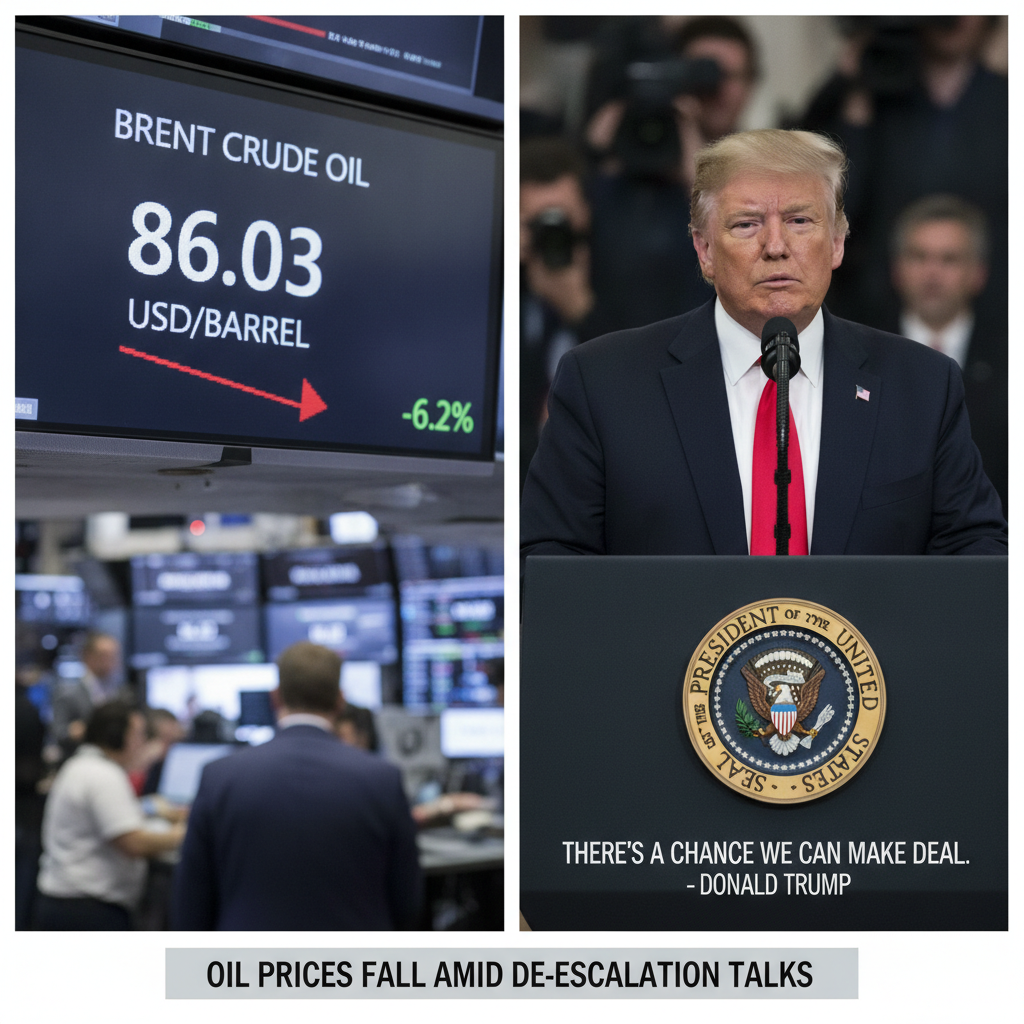
- Trump Says Talks Possible as Oil Prices Crash After US and Iran Halt Attacks
- Sanctions Disguise Airline Bankruptcies as Rostec Plans a Restructuring of Russian Aviation
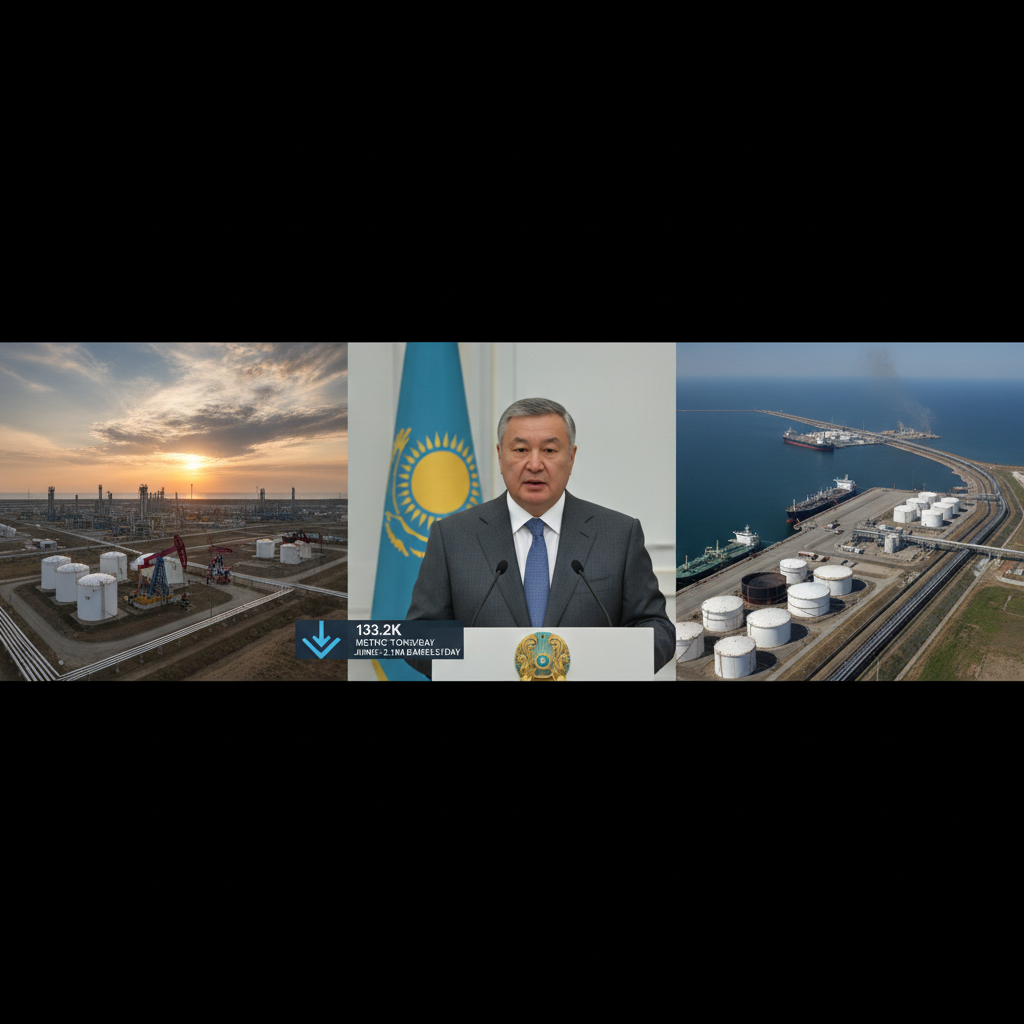
- Drone Strikes on CPC Terminal Drive Kazakhstan's Daily Oil Output Down to 133,200 Metric Tons