Why Building Homes in U.S. Cities Costs Less Than Developing Suburban Fringes.

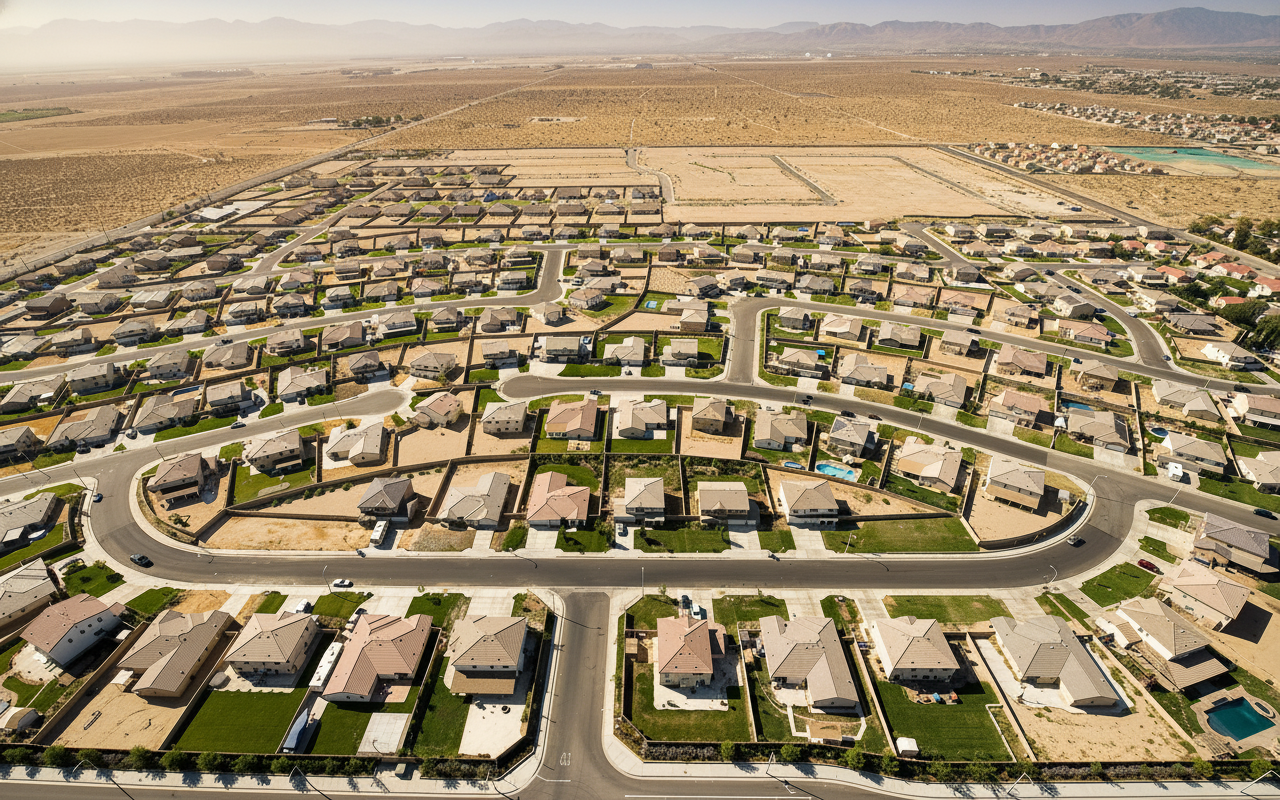
Debating America's Housing Affordability Crisis
According to Vox - Загальний: The United States is grappling with a severe shortage of affordable housing, a crisis that demands urgent action as the country lacks millions of homes. Central to this debate are infrastructure costs, property taxes, and the challenges cities face in shifting toward more compact, efficient development patterns.
Infrastructure Spending Disparities
For homes located near jobs, shops, and public transit, average infrastructure expenses run roughly $41,720. In contrast, houses built on the urban periphery carry costs of $63,005. Notably, maintaining infrastructure in established communities is far cheaper—about 50% less than servicing new developments. These figures suggest that focusing growth within existing neighborhoods can offer significant financial advantages.
A striking example is Memphis, which expanded its land area by over 50% in 2015 without any corresponding population increase, pointing to inefficient use of resources and land. In Memphis, property taxes per acre are 13% higher for homes built close to employment centers, retail, and transportation. This supports expert John Zianah's observation that
“urban communities with higher population densities can generate more property tax revenue per acre.”
Given these challenges, both infill development and greenfield development deserve consideration as strategies to boost housing availability and improve infrastructure. Each approach carries its own pros and cons, but the shared goal is to identify effective solutions for residential construction across the United States. In this context, initiatives discussed in the 'Future Perfect newsletter' offer valuable insights for shaping policies to address housing affordability.
The ongoing conversation about U.S. housing affordability underscores the need for a systemic approach to infrastructure and tax policy. With a massive housing deficit, cities like Memphis must optimize land use to enable smarter construction and better leverage existing infrastructure. Pinpointing the most effective strategies will be crucial to delivering affordable homes for the population.
Read also
- Why Historian Valeriy Vozgrin's Untold Story of the Crimean Tatars Matters Now
- An 11-Year-Old Boy Opens His Own Natural History Museum in Cambridge
- Updated Client Identification Rules: Ukraine's Central Bank Overhauls Financial Monitoring Standards
- Military Registration Required for Compensation: Blackout-Hit Residents of Crimea’s Dzhankoy District Face New Demand
- Meta Introduces 'Parent Alerts' to Monitor Teen Activity on Social Platforms
- Russian Font Found on Banknote Featuring Ukrainian Poet Stus; NBU to Redesign the Bill