How to Build a Living Fence: A Four-Year Guide to Blocking Dust and Noise.

The Beauty and Purpose of a Living Fence
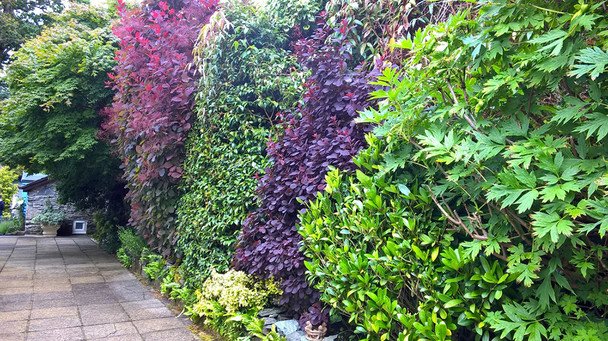
According to TSN.ua: A living fence serves as a versatile garden feature, offering aesthetic appeal, privacy, and protection from dust and noise pollution. While establishing a mature hedge can take up to four years, the long-term benefits make the effort worthwhile. Selecting fast-growing species can accelerate the process, and with proper care, you can ensure your green barrier remains both durable and beautiful for years to come. This natural approach to fencing is gaining popularity for its environmental benefits and visual appeal.
Selecting Plants for Your Living Fence
Several fast-growing shrubs are excellent candidates for creating a dense hedge, including:
- Barberry
- Blackthorn
- Dog rose
- Guelder rose (Viburnum)
- Hawthorn
- Black chokeberry (Aronia)
- Felt cherry
- Lilac
For instance, common barberry can reach a height of 2 meters within 3-4 years, while guelder rose is capable of growing up to 1 meter of new shoots in a single season.
Evergreen plants also make superb choices for a year-round screen. Consider Lawson's cypress, Leyland cypress (Cupressocyparis), and the western arborvitae (Thuja). Lawson's cypress is prized for its dense foliage, which creates a solid green barrier. Although the western arborvitae adds only about 20 centimeters of growth per year, it is a reliable and hardy element for garden design.
Deciduous trees such as willow, broad-leaved linden, and common hornbeam can also be incorporated into a living fence. The Matsuda willow, for example, grows approximately half a meter per year, making it another viable option for quick greening.
Furthermore, climbing plants like Virginia creeper, ivy, blackberry, and Chinese magnolia vine can add distinctive charm to a living fence, creating a dramatic green backdrop. Using a variety of plant species not only enhances the visual interest of your property but also provides added functionality like wind and noise buffering.
Overall, creating a living fence is an excellent way to beautify your space while gaining practical advantages. The right plant selection and consistent maintenance will ensure not only rapid growth but also the lasting beauty of your garden.
The trend of installing living fences continues to grow among gardeners, as they serve not only a decorative purpose but also offer ecological benefits like improving air quality and supporting biodiversity. Given the increasing focus on environmental sustainability and natural landscaping, living fences represent a significant element in modern garden design. With careful plant selection and proper care, they can dramatically enhance a property's appearance, providing unique character and a sense of tranquility.
Read also
- A Quick and Easy Salad with Young Cabbage and Radishes for Lunch or Dinner
- Jeans That Secretly Make You Look Heavier: Who Should Avoid Them
- 30-Minute Potato Dough Pies with Cheese and Ham: A Quick Family Recipe
- Chocolate Cake with Nut Caramel: A Recipe from Gospodynka
- 5 Key Composting Mistakes That Prevent Decomposition and How to Fix Them
- Perfect Cherry Compote Recipe Revealed: Exact Sugar and Berry Quantities