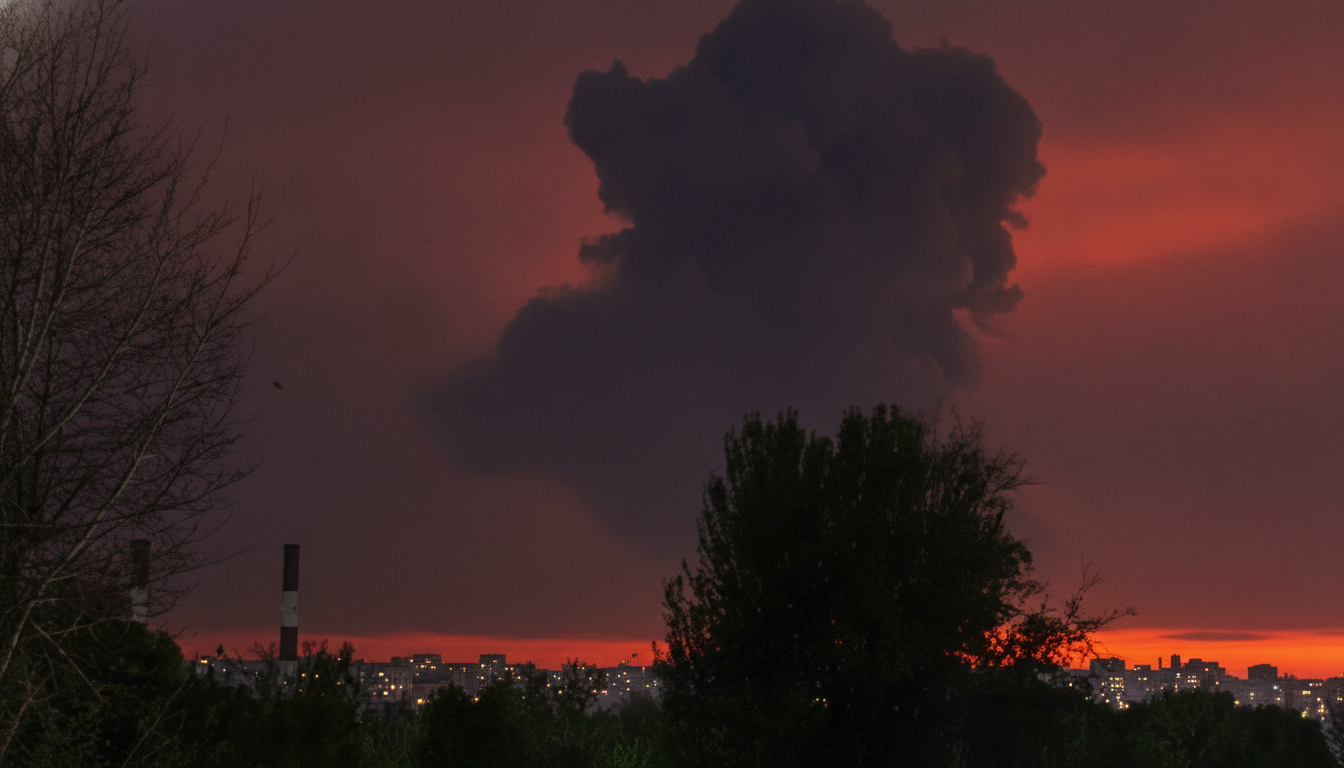
Ukraine’s Fire Control Extends 200 km into Russian Logistics, Slowing Occupier Advances.

Ukraine Takes Command of Russian Supply Lines
According to UATV: Ukrainian defense forces have established fire control over Russian military logistics at depths of 150 to 200 kilometers, effectively blocking key supply routes and slowing the pace of the occupiers' offensive. This control targets major transport corridors used to deliver resources to Russian military units.
Specifically, Ukrainian forces now dominate the logistics route connecting Crimea to Donetsk, severely hampering the movement of military cargo. Sections of highways between Berdyansk, Melitopol, and Dzhankoi are also under fire control, disrupting resource deliveries. The R-280 highway, critical for transporting fuel, ammunition, and military supplies, has become vulnerable due to Ukrainian actions.
Impact on Resource Supply
Furthermore, the blockade of port logistics in Mariupol and Berdyansk significantly limits the Russian military's ability to meet its needs. As a result, fuel sales are restricted in Crimea—where individuals can buy no more than 20 liters at a time—and in Luhansk and Donetsk regions, where the limit is 30 liters. These measures highlight a serious fuel supply crisis.
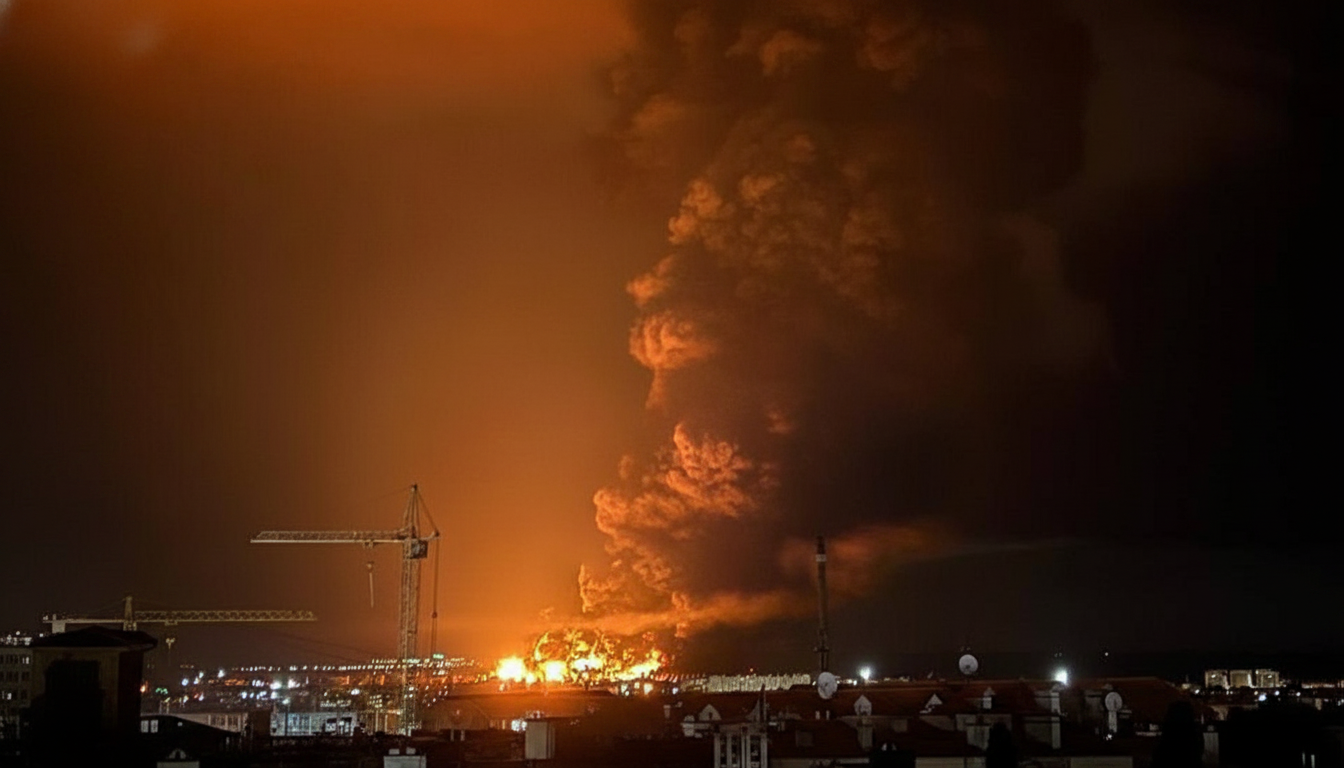
Ukrainian defense forces have also destroyed the Feodosia oil depot, further complicating the situation for Russian troops on the peninsula. The elimination of the last railway ferry, 'Slavyanin,' and the blocking of the Luhansk—Debaltseve highway demonstrate the effectiveness of Ukrainian operations. The Kerch 'Crimean' Bridge, frequently closed, adds to the logistical challenges for the occupiers.
As a result of these actions, Ukrainian forces have shown their ability to control vital logistics routes, significantly impacting the pace of the Russian offensive.
This achievement by Ukrainian forces underscores the importance of logistics control in conflict, as effectively disrupting supply chains can become a decisive factor in combat operations.
The slowdown in the Russian offensive and the emerging crises in occupied territories indicate that the Ukrainian army is actively implementing strategies to weaken the enemy. This could also create opportunities for further counterattacks and the recovery of control over certain areas.
Read also
- Heavy Fighting in Donetsk Region: 19 Russian Assaults Recorded in a Single Day
- For the First Time, Ukraine’s Navy Granted Authority to Command NATO Mine-Countermeasure Forces
- Russia Seeks to Widen Combat Zones: Ukraine Stands Up Three New Brigades
- Russian Airstrike Hits Izium: Cargo Office of Nova Poshta Damaged by Guided Bomb
- Iran Blockades the Strait of Hormuz: Houthis Shut Down Bab el-Mandeb in 2026
- Five Fuel Trucks Destroyed in Ukrainian Strike on Russian Military Convoy in Luhansk