Posłowie skrytykowali kryminalizację nielegalnego przekraczania granicy: szczegóły.

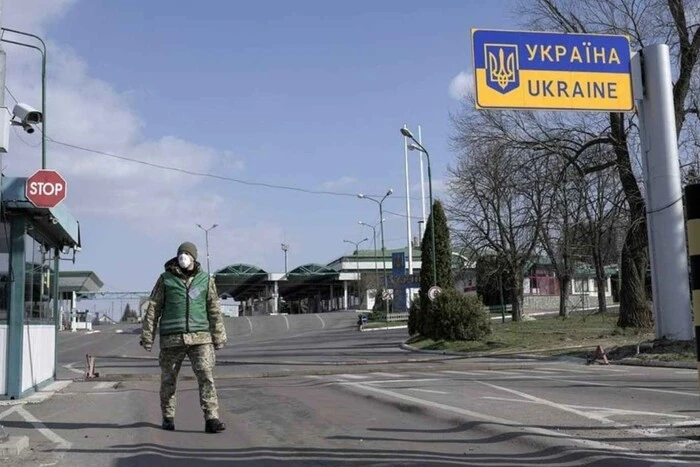
Wyrażenie opinii na temat odpowiedzialności za nielegalne przekraczanie granicy
Jak informuje inkorr.com: Member of the committee of the Verkhovna Rada on national security, defense and intelligence, Fedor Venislavsky expressed his opinion on the tightening of responsibility for illegal border crossing. He emphasized that such changes do not necessarily reduce the number of violations. According to him, new legislative initiatives may only complicate the process of bringing to justice and raise doubts about the question of convictions for these actions.
„Wzmocnienie odpowiedzialności rzadko prowadzi do zmniejszenia liczby przestępstw” - podkreślił Venislavsky.
Member of the parliamentary Committee on Law Enforcement Affairs, Alexander Bakumov also spoke against this initiative, calling it too radical. He noted that the criminalization of illegal border crossing could be too categorical, as the individual level of public danger in each specific case should be taken into account.
„Nie sądzę, że to będzie skuteczne. Kryminalizacja nielegalnego przekraczania granicy - to zbyt wiele” - podsumował Bakumov.
It is worth noting that the government has submitted a bill to the Verkhovna Rada aimed at strengthening responsibility for violations during border crossing. This document was submitted for consideration in early September and provides for criminal responsibility for illegal exit from the country, as well as for violations of the terms of stay of citizens beyond its borders. The bill also establishes special rules for border crossing for women-deputies and men of conscription age.
In the context of modern challenges, especially military and socio-economic, the issue of responsibility for illegal border crossing is becoming increasingly relevant. Discussions around this topic indicate the complexity of balancing security and human rights, which requires in-depth analysis and a balanced approach from legislators.
Czytaj także
- Trójka młodych bez dokumentów wydostała się z okupacji – akcja Bring Kids Back UA zakończona sukcesem
- Pierwsze w kraju podziemne przedszkole na 260 miejsc otwarto w Charkowie
- Rosyjskie ataki paraliżują ukraińskie porty: 28 statków trafionych, 21 ofiar śmiertelnych
- 24 dzieci wywiezione z okupowanych terenów – wśród nich 13-letnia Angelina z raną od odłamka
- Nawet 7,5 roku więzienia grozi Polce za pobicie dzieci mówiących po ukraińsku
- Odszedł znany dziennikarz „Ukraińskiego Radia” – jego głos znała cała Ukraina