Over £116 billion in fixed savings will mature by the end of the year: what savers should do.

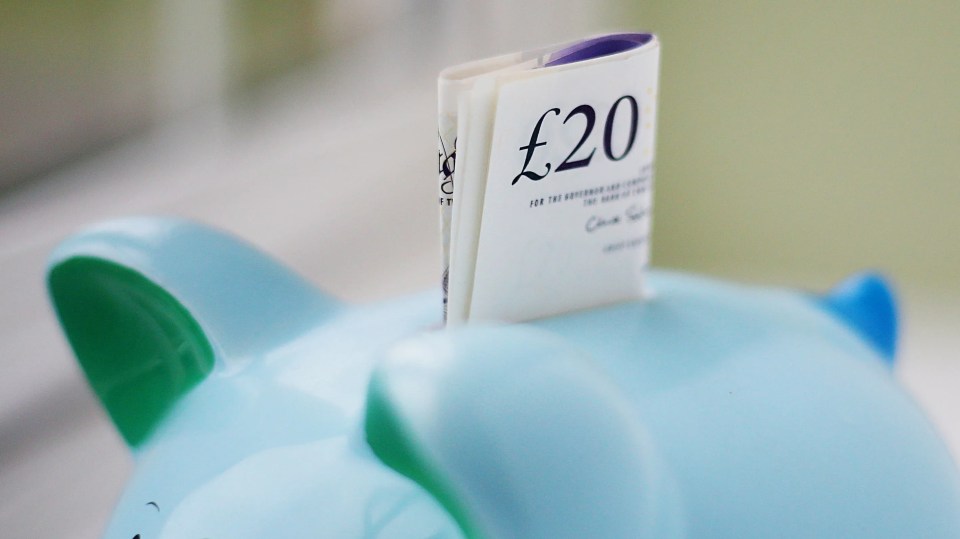
The end of fixed-term deposits puts savers at risk
According to The Sun: By the end of the year, over £116 billion in fixed savings will mature, putting their owners in a situation where earnings can fall from nearly 4.5% to 2.4% if they switch to variable rates.
According to an analysis by CACI, £58.9 billion is held in non-ISA accounts, while another £57.5 billion is in ISAs. More than 3.5 million accounts could suffer significant losses if their owners do not take action.
More than £116 billion in fixed savings will mature by the end of the year, leaving savers at riskPA:Press AssociationThe average interest rate on accounts maturing between September and December for non-ISA accounts is 4.53%, while the average access rate currently stands at 2.42%.
For ISA accounts, the average rate is also 4.46%, with an average access rate reaching 2.70%.
Some providers automatically switch fixed accounts to variable rates after maturity, meaning savers may face significant decreases in interest rates if they leave their savings unchanged.
Reluctance to switch accounts
A study conducted by Skipton Building Society found that 39% of respondents rarely or never move their money. Of this group, 21% find it too complicated, while 18% stress they are more comfortable keeping their money in one place.
Additionally, 12% worry they might lose access to their funds during the transfer, while 31% suffer from 'money movement paralysis'.
“Too many savers are missing out on opportunities due to inaction - leaving their savings in low-interest accounts, particularly after fixed deposit maturity,” said Alexander Sitaras, head of savings.
He also emphasized that it's crucial to be vigilant when the term of fixed savings is about to expire, as some of the best offers can vary significantly and truly affect your savings.
Issues with checking interest rates
It was found that nearly 10% (nine percent) never check the interest rates on their savings. Furthermore, 18% are unaware of the best available rates.
Also, 16% have not opened a new savings account in the last five years, considering it takes too much effort. Approximately 19% fear they might make the wrong choice.
However, 62% have opened an account only to find out that the rate decreased after some time, causing frustration for 46% and dissatisfaction for 40% of respondents.
About two-thirds (63%) stated that upon learning about the rate decrease, they would seek financial advice.
“Often savings accounts that started with competitive rates, without conscious awareness, switch to low variable rates - and many savers are not even aware of it,” added Alexander Sitaras.
He also noted that for those with savings of £20,000 or more, transferring money into pension accounts or investments may be a better long-term option, provided they are prepared to take on some risk.
This situation highlights the importance of actively managing finances, especially in changing interest rate environments. Savers need to be informed about their options and consider potential risks to maximize their income. Active checking and optimizing deposit terms can help avoid significant financial losses.
Read also
- Ukraine Disrupts Russia’s Largest Oil Refinery and Targets Shadow Fleet: Escalating Pressure on Moscow’s Energy Sector
- Russia’s Oil Exports Hit Record Highs, but Revenues Shrink as Urals Prices Plummet
- Fuel Shortage Drives Record Search Spike: Russians Desperately Google 'How to Make Gasoline'
- Strike on Russia’s Largest Oil Refinery Raises Fears of Fuel Shortages
- Ukrainian drones halt Russia's largest oil refinery, worsening gasoline shortages
- Over 1,000 New Weapons Systems Fielded by Ukraine, with 90% Domestically Produced