Drone Strikes Trigger Fuel Shortage in Russia, Driving Surge in Demand for Workhorses.

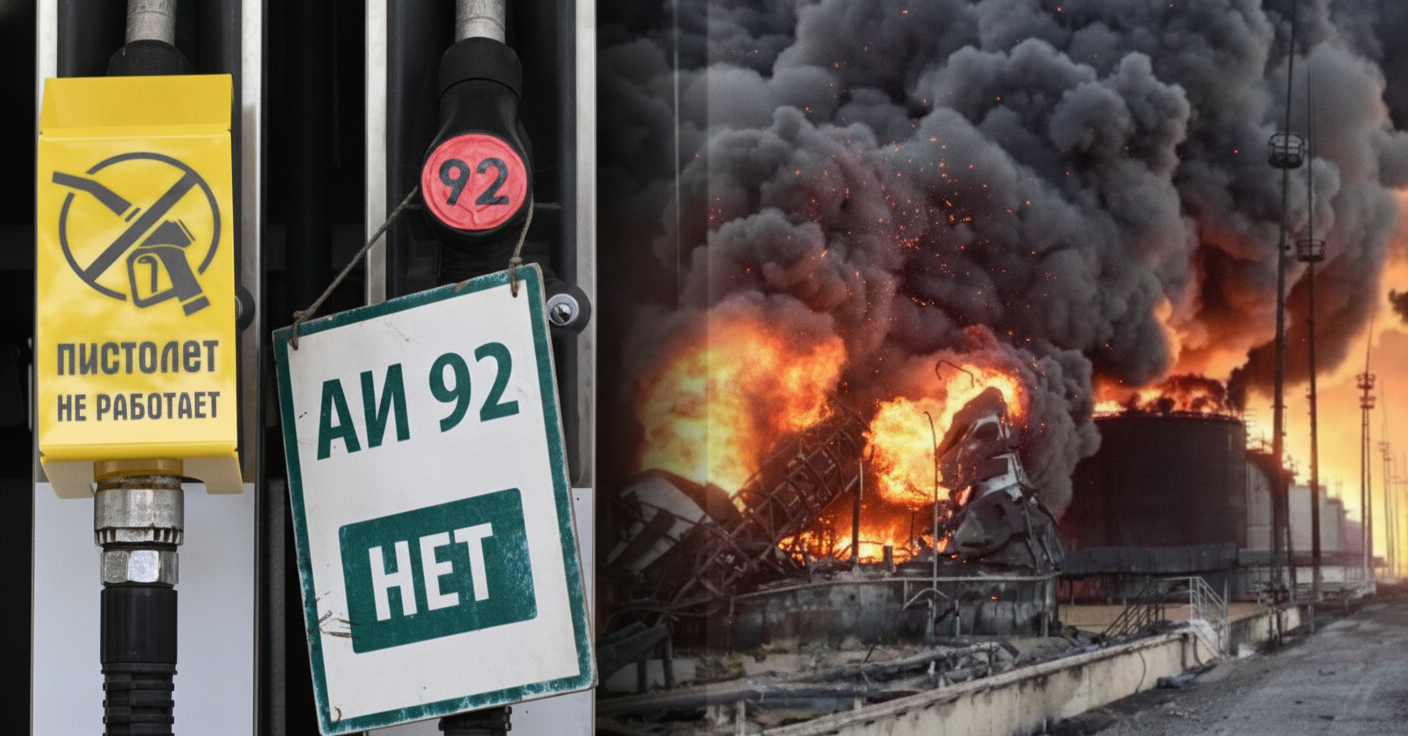
Russian Farmers Turn to Horses as Fuel Crisis Worsens
According to Espreso.tv: Russia is experiencing a dramatic spike in demand for workhorses, driven by a severe fuel shortage and gasoline supply disruptions caused by Ukrainian drone attacks. Over the past few weeks, interest in these animals has multiplied several times, saving roughly a thousand horses from slaughter. Farms across the country are now selling or reserving seven to eight horses each month, signaling a notable shift in agricultural practices.
The price of a workhorse ranges from 100,000 to 200,000 rubles, making them an affordable alternative for many farmers seeking to replace mechanized equipment. While horse demand climbs, other transportation modes are also evolving. For instance, in June, bicycle sales on the CDEK.Shopping platform jumped 131% compared to May, with revenue from those sales soaring 263%. This highlights how people are exploring new ways to get around amid the fuel scarcity.
Fuel Crisis Deepens Across the Country
The fuel deficit began in late May, leading to longer queues at gas stations.
Yevgeny Moskvichov commented, 'Motorists will have to endure the lines at filling stations.'In response, Russia plans to import gasoline by sea from Asian countries starting June 17. As of July 1, the country has already begun maritime shipments from India, sending at least 60,000 tons of fuel.
Additionally, Vyacheslav Volodin noted that a single three-section tram can carry up to 260 passengers, potentially replacing around 200 cars. This underscores a broader trend toward alternative transportation as fuel difficulties mount. The situation in Russia's transport and agricultural sectors remains challenging, with the population seeking ways to adapt to new hurdles.
The rising demand for workhorses and alternative transport like bicycles reflects how Russians are adjusting to economic realities shaped by the fuel shortage. This shift not only alters farming methods but may also have long-term effects on the country's transport infrastructure and mobility patterns. The government's upcoming steps on fuel imports could further influence these trends in the near future.
Read also
- New U.S. Tariffs Hit 60 Nations: Here Are the Rates for the EU and Russia
- Russia’s Oil and Gas Revenue Set to Surge by 60%—Here’s What’s Driving the Jump
- IMF Disburses $690 Million Second Tranche to Ukraine: Where the Funds Are Going
- Russia’s Budget Deficit Could Hit 7 Trillion Rubles—What Are the Default Risks?
- Expert Sets Critical Threshold: 60% of Russia's Oil Refining Capacity Must Be Destroyed
- Russia Faces Imminent Fuel Crisis: Why Refinery Recovery Is Nearly Impossible, Expert Warns