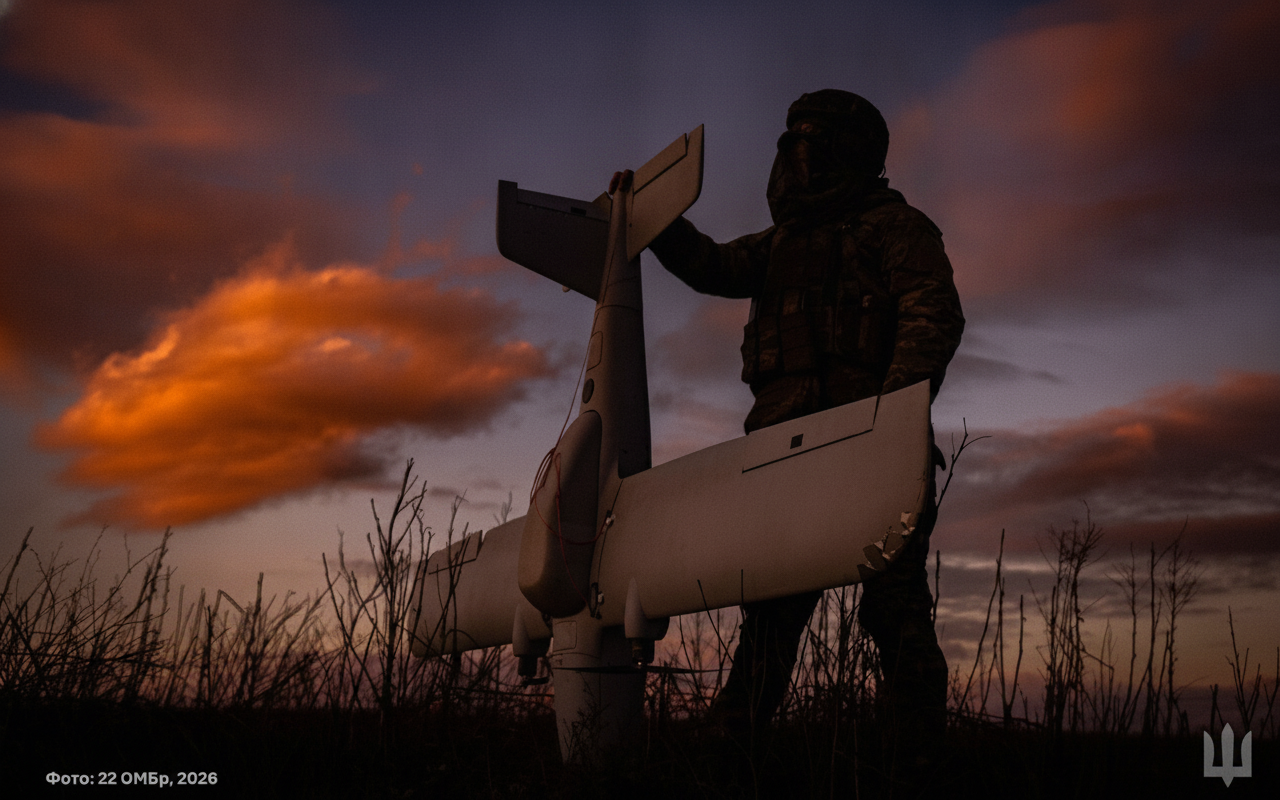
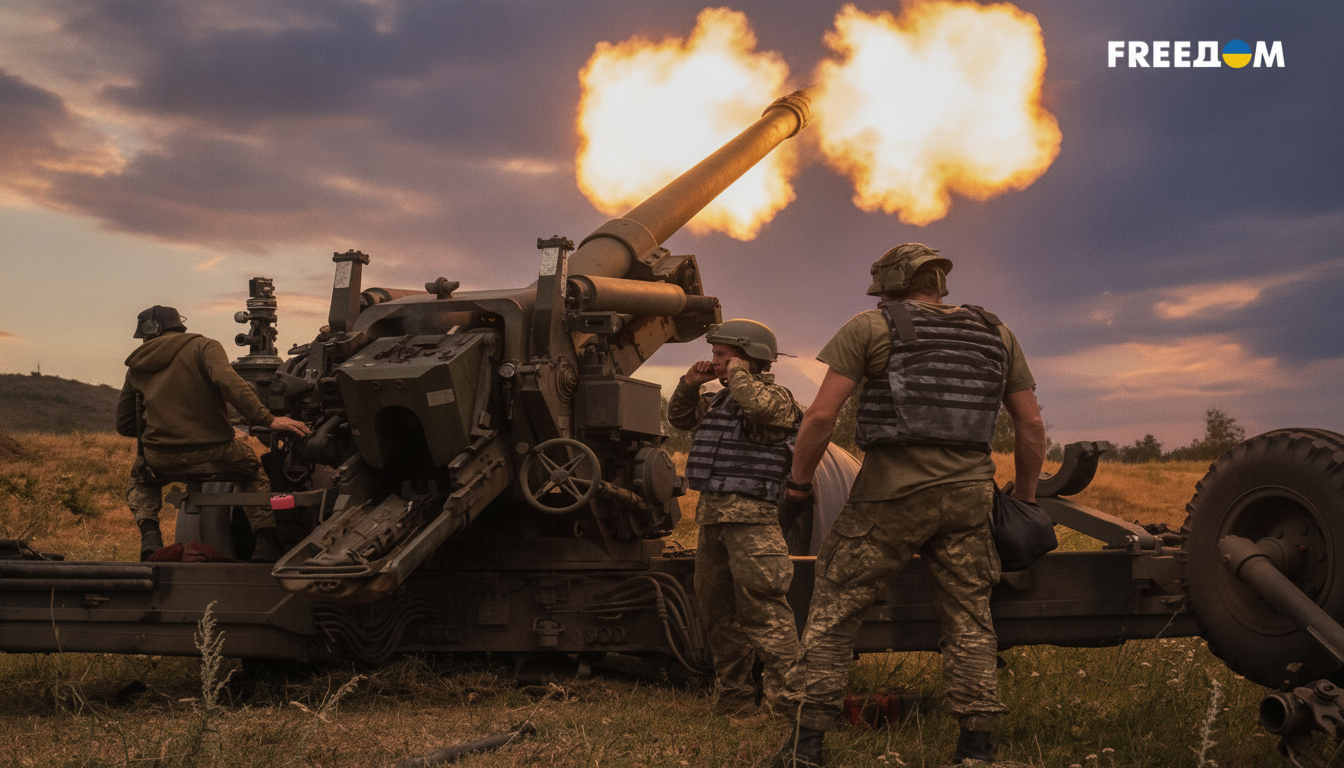
Frontline Sees 148 Clashes in 24 Hours: Ukraine's General Staff Identifies Most Active Combat Zones.

Situation on the Front
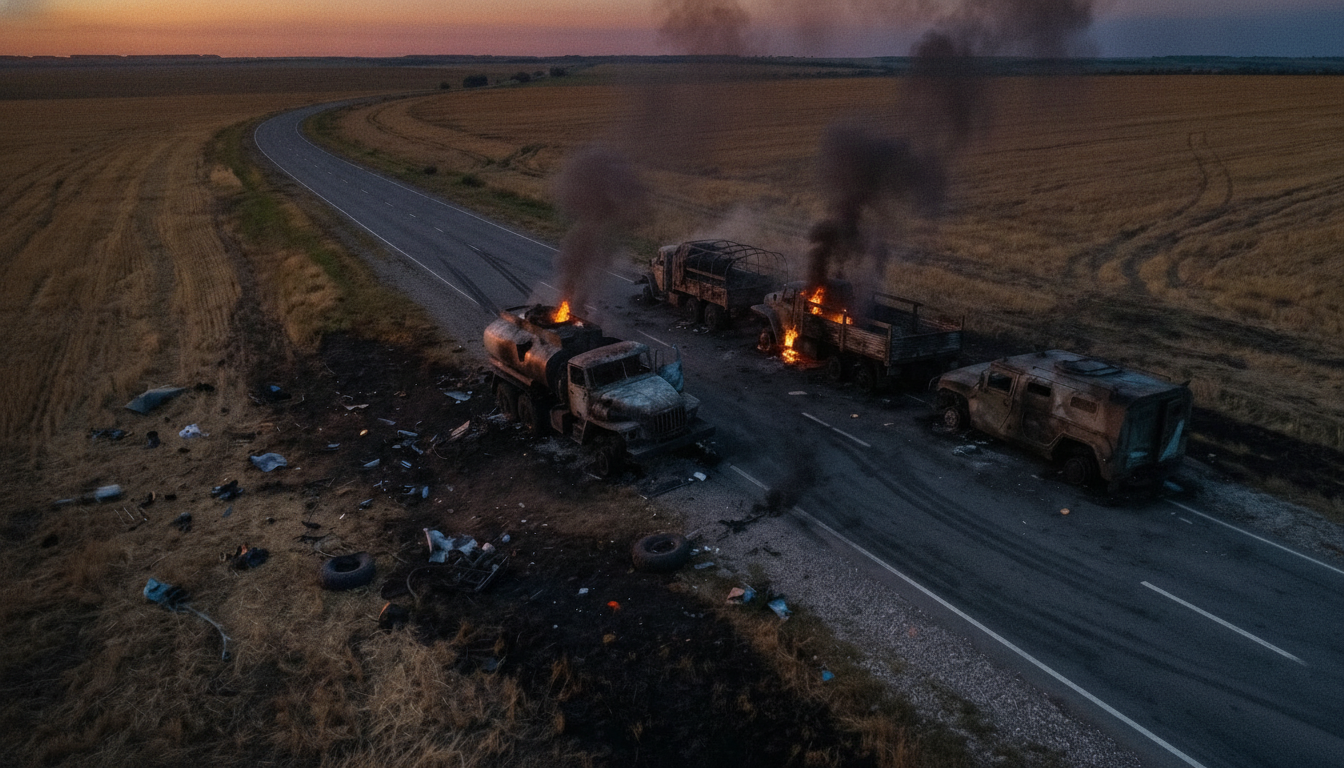
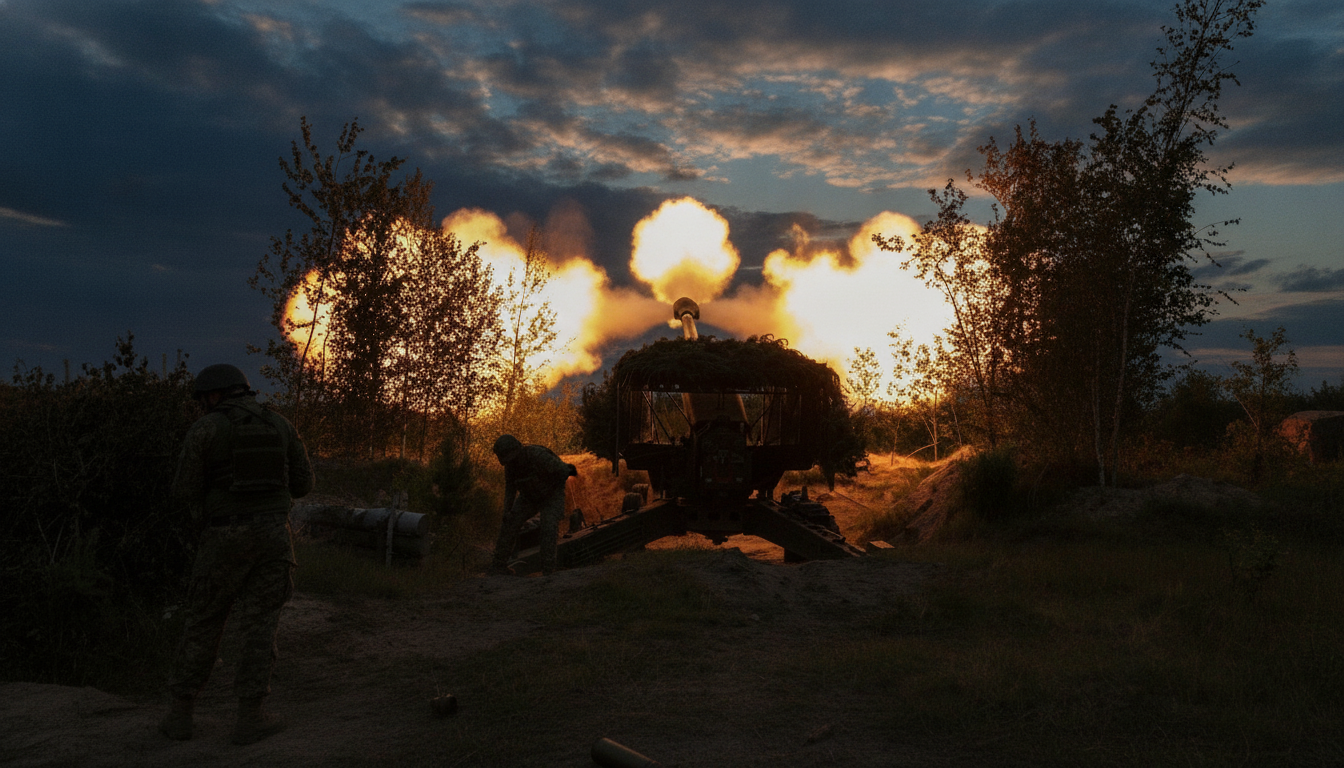
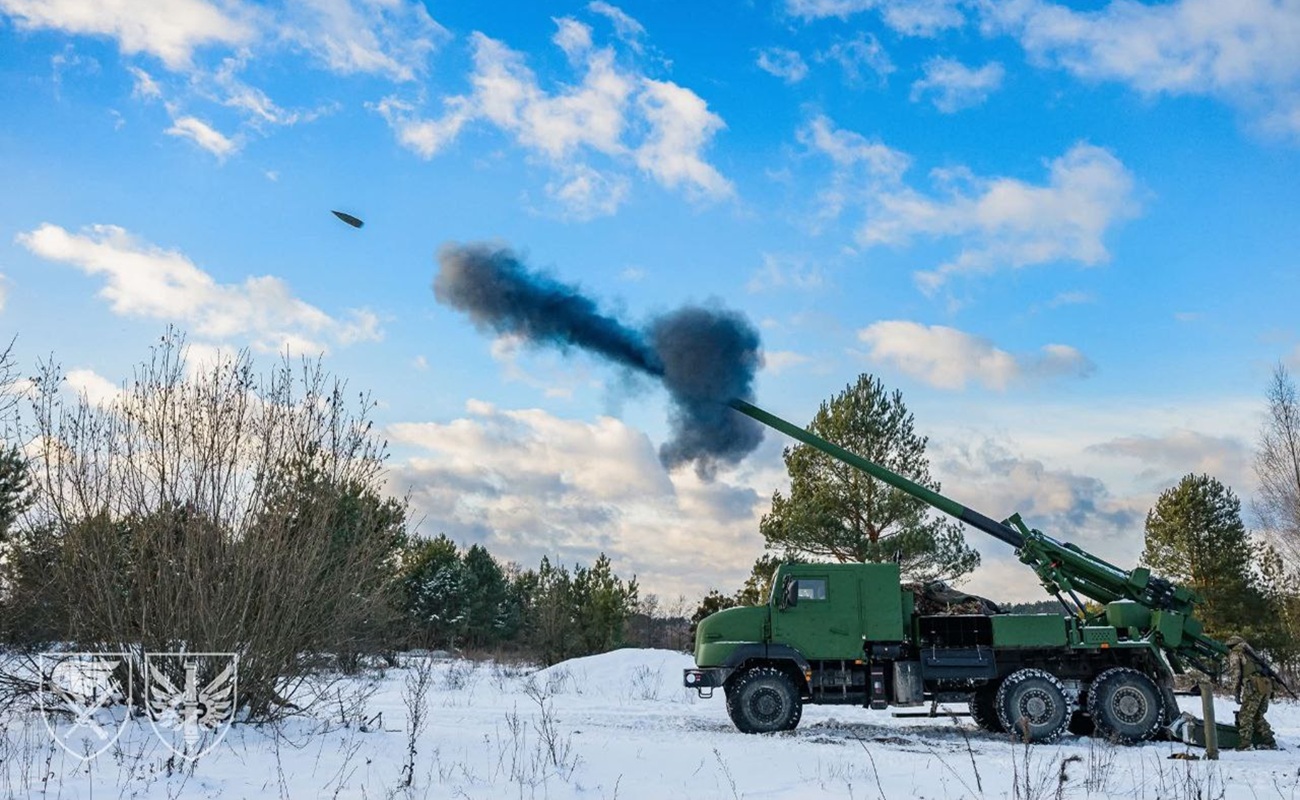
According to UATV: Ukrainian forces engaged in 148 combat clashes over the past day, with the Pokrovsk and Huliaipole sectors being the most intense, enduring a combined 61 assaults. Ukrainian artillery successfully struck several enemy targets, including command posts and troop concentrations. These engagements underscore the continued high tempo of fighting across the eastern front, which has been a focal point of the Russian offensive for months.
On the Siversk-Slobozhanske and Kursk directions, Russian forces conducted 139 artillery strikes. Ukrainian defenders repelled 24 enemy assaults on the Pokrovsk axis and recorded 37 attacks near Huliaipole. Additionally, 15 attacks occurred on the Kurakhove direction, with another 3 on the Orikhiv axis.
Aerial Operations and Their Impact
Ukrainian aviation carried out 5 strikes, employing 16 precision-guided aerial bombs. This demonstrates Ukraine's ongoing efforts to leverage air power to disrupt enemy operations despite significant challenges. The persistent combat indicates both sides are actively employing diverse tactics to achieve battlefield objectives.
Consequently, the frontline situation remains tense, with numerous clashes and active hostilities across multiple sectors, including Pokrovsk, Huliaipole, Kurakhove, and Orikhiv. Monitoring further developments in the region is crucial for assessing the conflict's trajectory.
The current scale of fighting reflects the conflict's high intensity, with both sides committing significant resources to attain strategic goals. Given the sustained number of attacks and bombardments, the situation on the front could substantially influence the broader course of the war. Observing these events is critical for understanding potential future scenarios and the responses of the international community.
Read also
- Ukraine Launches 'Logistics Lockdown' Operation to Cripple Russian Fuel Supplies
- Pokrovsk bears the brunt of 261 daily assaults in Donetsk region
- Ukrainian Forces Step Up Counterattacks: 226 Engagements in 24 Hours and a Strike on Russian Logistics
- 283 Combat Clashes in One Day: Enemy Intensifies Pressure on Kostiantynivka and Sloviansk Fronts
- 233 Combat Clashes in Donetsk Region in One Day: Where Ukrainian Forces Halted the Russian Advance
- How Ukrainian Artillery in Donetsk Hides and Operates Under Constant Russian Drone Threats