How War Has Transformed the Role of Paramedics: Ukraine Marks Emergency Medical Services Day on May 27.

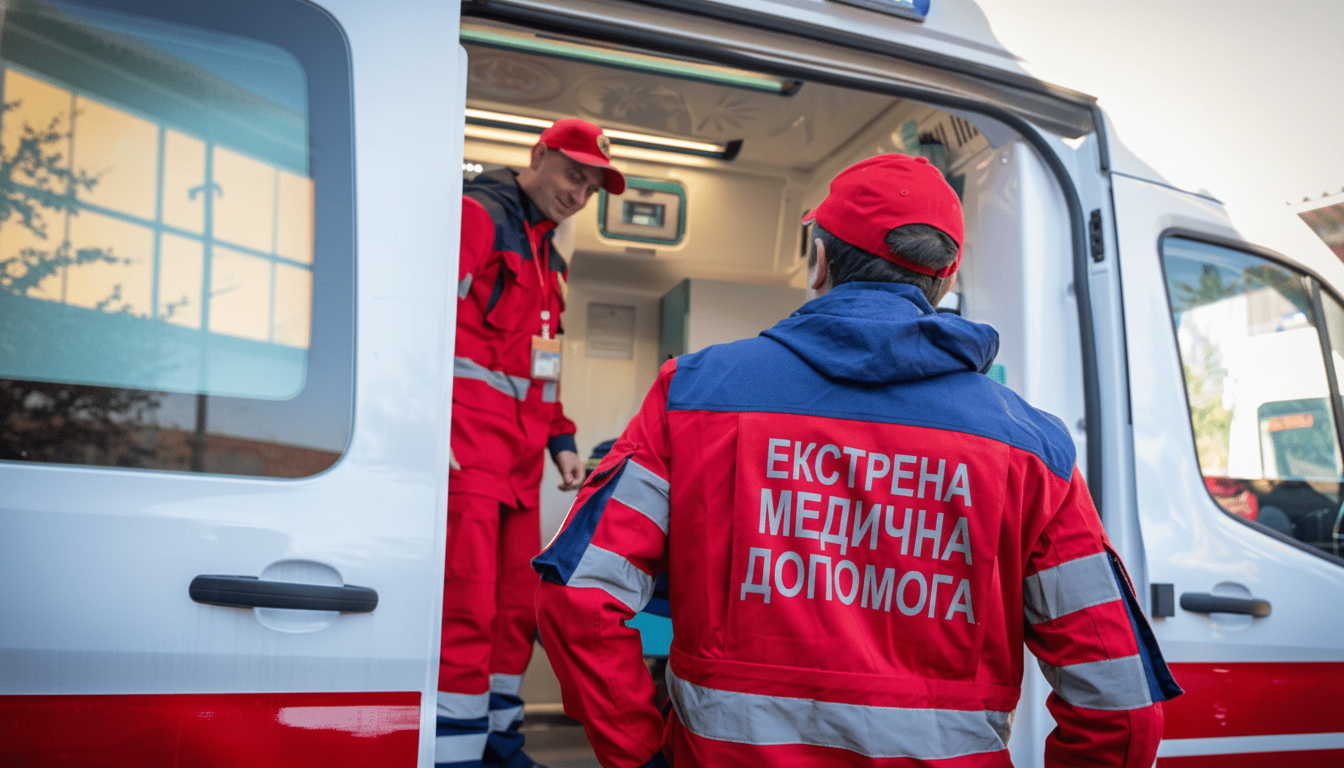
Ukraine Observes Emergency Medical Services Day
According to Novyny.live: On May 27, Ukraine joins the global community in celebrating Emergency Medical Services Day—a tribute to doctors, paramedics, and dispatchers. Since the onset of the full-scale war, the work of emergency response teams has become even more critical. Established in 2009 with backing from the European Society for Emergency Medicine, this day highlights the vital role these professionals play in modern society.
How Ukraine's Emergency Medical System Operates
Ukraine's emergency medical system comprises dispatch centers, paramedics, emergency physicians, disaster medicine hubs, and healthcare facilities. These units are essential for handling a wide range of crises, including:
- road traffic accidents
- heart attacks
- strokes
- injuries
- mass casualty events
- consequences of Russian attacks
The full-scale war has dramatically increased the workload on emergency medical teams. Medics now operate in hazardous conditions, risking their lives to save others. To attract young professionals to work in frontline communities, those who sign a three-year contract receive a one-time relocation payment of 200,000 hryvnias. Just two years ago, this sum was only 14,000 hryvnias—a clear sign of how working conditions for medical staff have evolved.
Training requirements for healthcare personnel are also shifting. Starting in September, applicants entering medical universities will undergo military training as part of their curriculum. This adjustment reflects the urgent need to align educational programs with the realities of war.
Emergency Medical Services Day serves as a powerful reminder of the heroism displayed by healthcare workers who daily put their lives on the line to help others.
In times of war, strengthening and advancing Ukraine's emergency medical system has become a top priority. Increased financial incentives for medical workers and updated training standards underscore the country's push to adapt to unprecedented challenges. These changes not only emphasize the value of medical personnel but also the necessity of ensuring they are well-prepared and ready to respond to emergencies.
Read also
- Beating the Heat in Ukraine: A Doctor’s Guide to Hydration and the Best Clothing Choices
- No Solar Flares Expected on June 24: Magnetic Storm and Solar Activity Forecast
- How Ukrainian Men Liable for Military Service Can Be Removed from the Registry Due to Illness
- How to Appeal a Fitness-for-Duty Ruling When a Military Medical Board Fails to Offer Surgery
- Up to a Year of Waiting: How Ukraine’s Military Medical Boards Delay Illness Certificate Approvals for Conscripts
- Spider Mites Threaten Raspberry Crops: Immediate Treatment Needed to Protect Berries