Tick Threat Intensifies: Will a Vaccine Be Ready by 2026?.

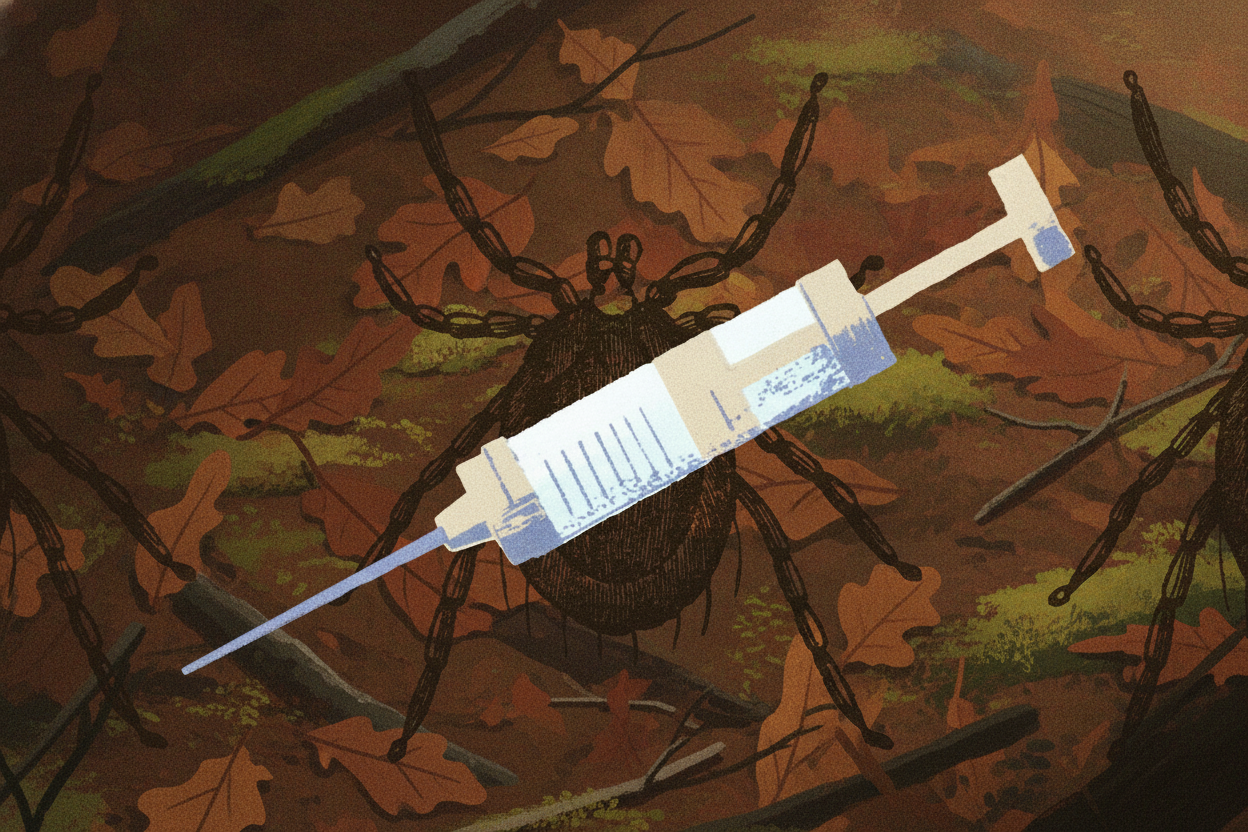
The Growing Tick Problem in the United States
According to Vox - Загальний: Tick-borne diseases are becoming a more pressing public health issue in the U.S., with around 500,000 people contracting Lyme disease each year. This illness, along with alpha-gal syndrome—which emerged as a major concern for health authorities in 2026—has alarmed doctors and researchers alike. Recent data shows that emergency room visits for tick bites hit a ten-year high in 2026, underscoring the escalating danger these parasites pose to the population.
Efforts to Combat Tick-Related Illnesses
In response to these threats, notable progress has been made in vaccine development and new treatment approaches. In March 2026, Pfizer announced results from Phase III clinical trials of its Lyme disease vaccine, which showed over 70% efficacy. Meanwhile, the University of Massachusetts Medical School has developed a monoclonal antibody cocktail capable of preventing Lyme disease from taking hold—a breakthrough that could transform how this illness is treated and prevented.
Despite these advances, experts emphasize that ticks remain a persistent menace that has existed for eons.
“Ticks were biting dinosaurs,” noted Rick Ostfeld, highlighting the ancient nature of the problem.Maria Diuk-Wasser added:
“If you want to develop a vaccine against ticks, that is the ultimate goal.”These remarks underscore the ongoing need for research to find effective solutions that protect people from dangerous tick bites.
Given the current challenges, it is crucial to know what steps you can take to stay safe. Following certain prevention tips can help reduce the risk of infection:
- Use DEET-based insect repellents.
- Wear clothing that covers your skin.
- Regularly check yourself and your pets for ticks.
The rising prevalence of ticks and the diseases they carry demands heightened awareness and proactive measures from both the public and healthcare systems.
These developments highlight the growing threat from ticks, which calls for not only medical innovation but also active public education on prevention. As case numbers climb, it is essential that communities stay informed about the risks ticks present and follow recommended safety practices. The development of new vaccines and therapies could significantly alter the landscape, but only collective efforts can ensure effective protection for everyone.
Read also
- Heatwave Death Toll in France Surges 122% Above Normal Levels
- Ukraine's Smoking Population Drops Sharply: From 8.5 Million to 6.6 Million in Six Years
- Swimming Banned at Lake in Lviv Region After Infection Outbreak Hospitalizes 20 Children
- Mykolaiv Region Faces 20% Doctor Shortage: Officials Offer State Housing as Incentive
- U.S. Mortality Hits Historic Low as Life Expectancy Climbs to 79 Years
- G1 Geomagnetic Storm Forecast for July 4: What It Means for Ukraine