21-Year Low: Russia's Oil Refining Output Plummets After 50 Strikes in 100 Days.

Attacks on Russia's Fuel Infrastructure
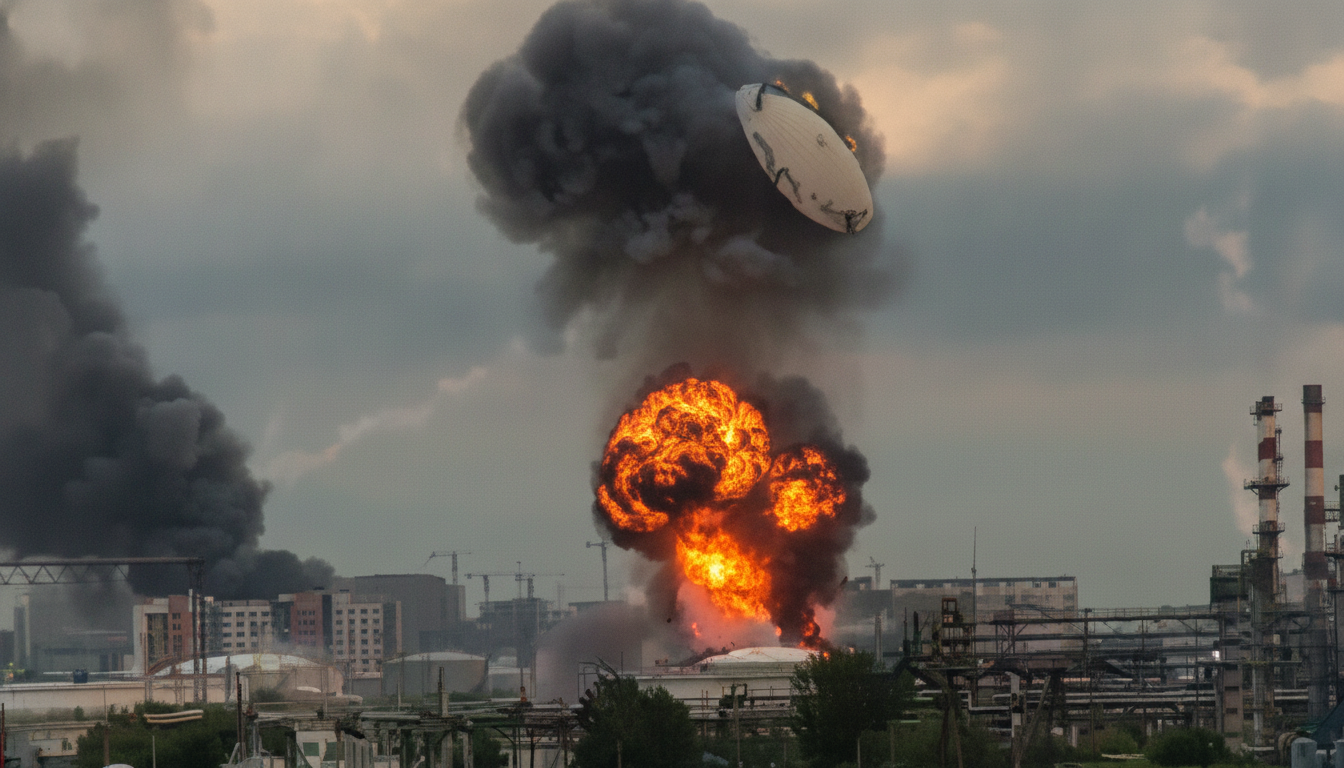
According to UATV: Over the past 100 days, Ukraine's defense forces have launched approximately 50 strikes against Russia's fuel infrastructure, driving the country's oil refining volumes to their lowest point in 21 years. These attacks have hit at least 24 of Russia's 34 largest refineries, severely disrupting operations.
According to available data, Russia's average daily oil refining rate in July fell to 3.91 million barrels. This marks the weakest performance since March 2005. In June, processing volumes also declined to about 3.8 million barrels per day—a drop of 1.6 million barrels compared to the same period last year. These figures highlight the mounting pressure on Russia's fuel industry.
Fuel Supply Challenges
To make matters worse, Russian authorities have banned most diesel exports until the end of July, further straining the market. The country is experiencing fuel supply disruptions, with long lines forming at gas stations. Russian Deputy Prime Minister Alexander Novak has publicly acknowledged difficulties in meeting domestic fuel demand.
Alexander Novak: 'We acknowledge the problems with supplying the domestic fuel market.'
A notable strike occurred on July 14 against the Gazprom Neftekhim Salavat refinery complex in the Republic of Bashkortostan, marking a key moment in this campaign. These events illustrate how military actions are impacting critical economic sectors, particularly oil refining in Russia, and underscore the growing importance of energy infrastructure in modern conflicts.
The decline in Russia's oil processing capacity and the resulting fuel shortages reveal the vulnerability of the Russian economy during wartime, as well as the crucial role of energy resources in maintaining national stability. These developments could have far-reaching consequences for the domestic fuel market and the broader economic landscape. At the same time, the targeting of critical infrastructure highlights the increasing strategic significance of energy assets in armed conflicts.
Read also
- China Demands a Fivefold Price Cut: Stalemate in Power of Siberia 2 Pipeline Talks
- Ukraine’s Parliament Ratifies Free Trade Deal with Turkey: What It Means for Trade and Economy
- Kyrgyzstan Imposes Indefinite Ban on Gasoline and Diesel Exports: What It Means for the Region
- Fuel Shortage Spreads Across 78 Regions, Pushing Russia Toward a Food Crisis
- China's Trade Leverage Over Russia Surges from 10% to 40% as Putin Becomes the Dependent Partner
- Russian Insurers Stunned as Drone Attack Reinsurance Loss Ratio Hits 2,800%