Russian Insurers Stunned as Drone Attack Reinsurance Loss Ratio Hits 2,800%.

Skyrocketing Losses in Reinsurance Coverage
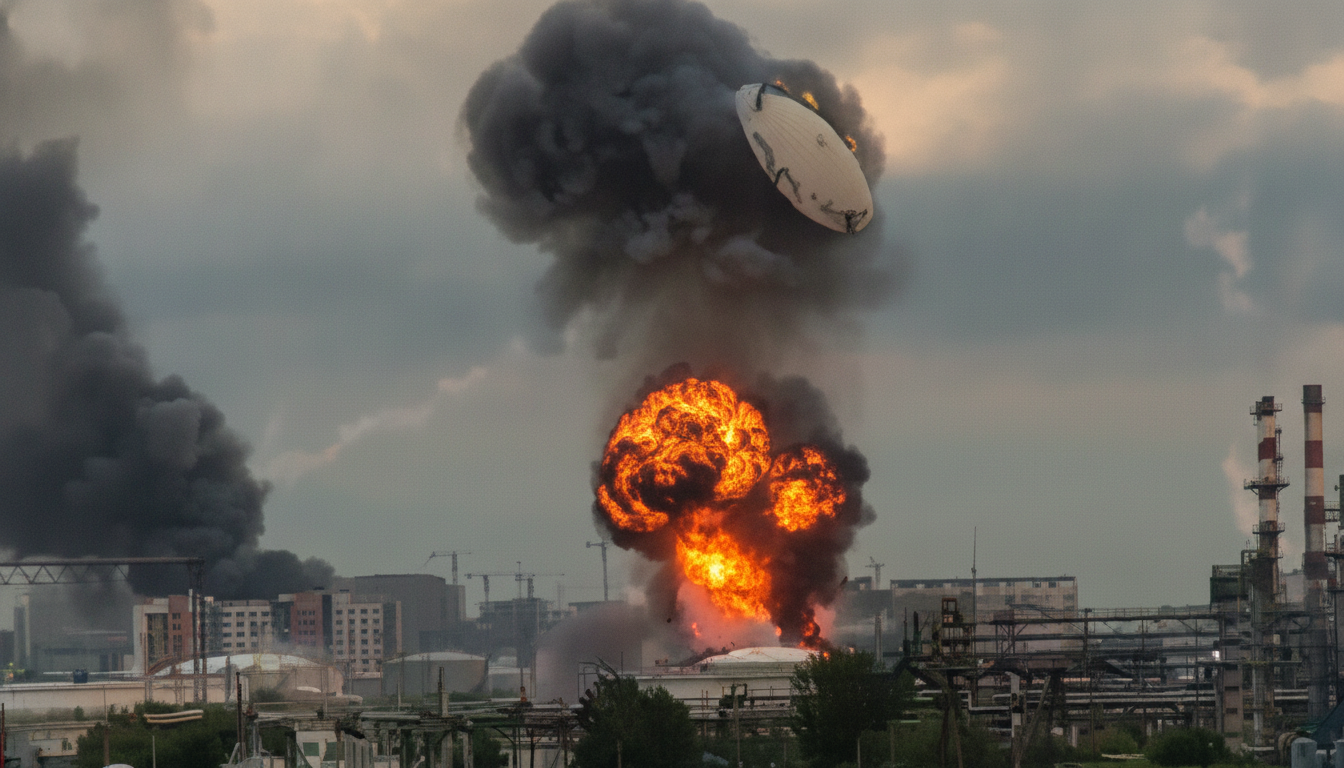
According to Espreso.tv: This article examines the sharp surge in loss ratios for reinsurance policies covering terrorism and drone strikes in Russia, along with mounting challenges in marine insurance that are disrupting logistics and cargo transport. In the first four months of 2026, the loss ratio for reinsurance tied to terrorism, sabotage, and drone attacks reached a staggering 2,800%. For every ruble collected in premiums, insurers paid out 28 times that amount—a clear sign of severe financial strain in this sector.
Marine Insurance Under Pressure
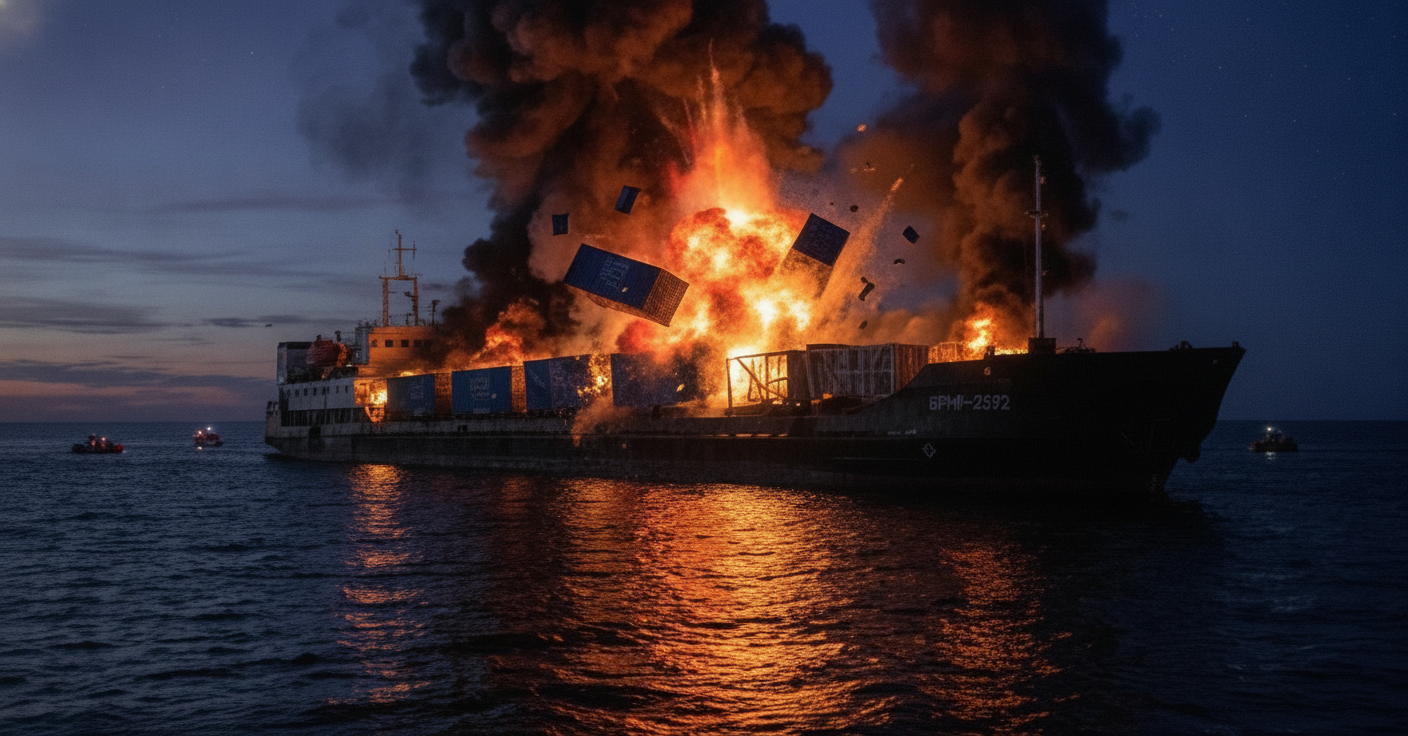
Additionally, marine cargo insurance premiums jumped two- to four-fold during the second quarter of 2026. This has significantly raised shipping costs, with insured values for oil and gas cargoes now reaching $150 million or more. Such steep increases threaten the stability of maritime trade, as higher expenses may lead to canceled deals and reduced shipping volumes.
To address these issues, Russia's Ministry of Finance has proposed creating a joint insurance fund to cover losses. Meanwhile, the Ministry of Transport, Ministry of Energy, and the Central Bank are pushing for expanded state subsidies for maritime shipping—a move that could ease the financial burden on market participants.
The situation is further complicated by ongoing military activity in the region. On July 13, 2026, the Unmanned Systems Forces targeted 15 vessels from the 'shadow fleet' in the Sea of Azov, and the following day, they struck an additional 11 ships. The total tally for Operation 'MoLoChKa' reached 105 watercraft over eight days, underscoring an escalation in such operations.
In short, the state of Russia's reinsurance market for terrorism risks and its marine insurance sector is deeply concerning. Urgent measures are needed to stabilize the market and ensure the safety of maritime shipping.
With growing threats from military conflict and financial difficulties, government initiatives could prove critical for sustaining the economy and keeping logistics chains running across the country.
Read also
- China Demands a Fivefold Price Cut: Stalemate in Power of Siberia 2 Pipeline Talks
- Ukraine’s Parliament Ratifies Free Trade Deal with Turkey: What It Means for Trade and Economy
- Kyrgyzstan Imposes Indefinite Ban on Gasoline and Diesel Exports: What It Means for the Region
- 21-Year Low: Russia's Oil Refining Output Plummets After 50 Strikes in 100 Days
- Fuel Shortage Spreads Across 78 Regions, Pushing Russia Toward a Food Crisis
- China's Trade Leverage Over Russia Surges from 10% to 40% as Putin Becomes the Dependent Partner