China's Trade Leverage Over Russia Surges from 10% to 40% as Putin Becomes the Dependent Partner.

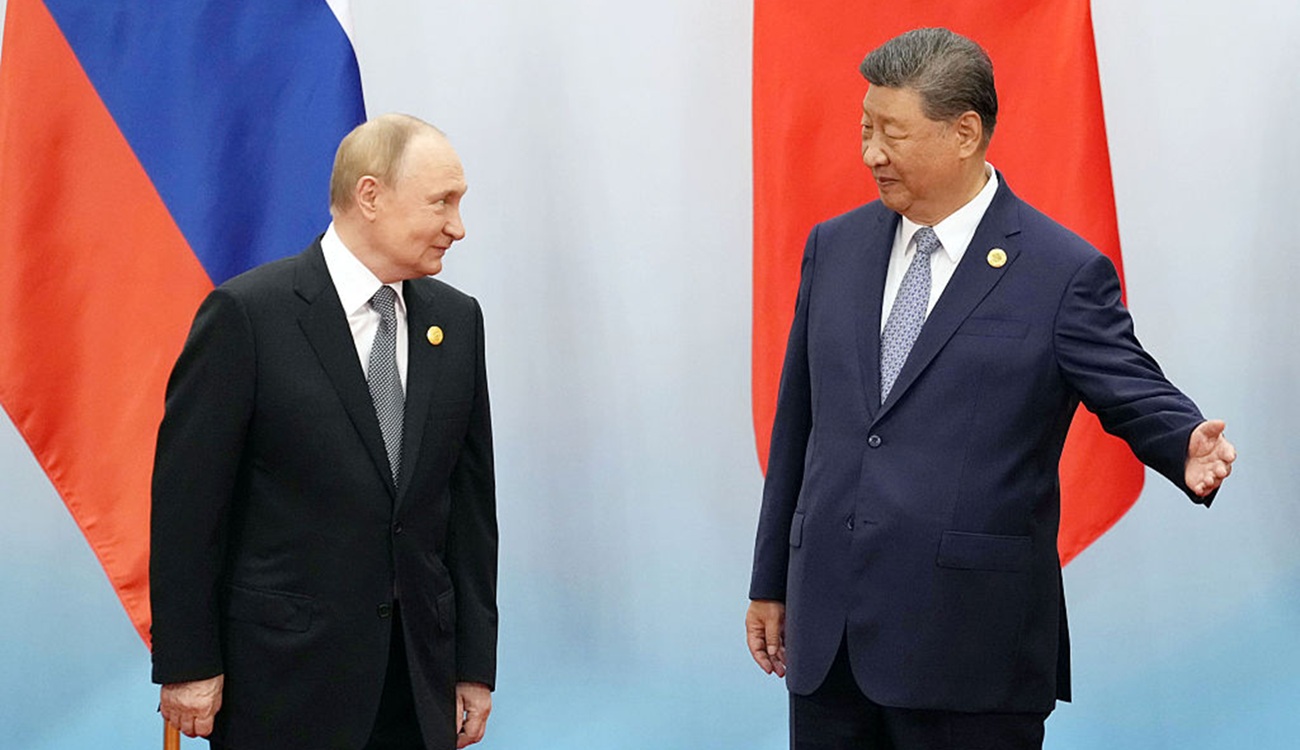
The Shifting Dynamic Between Russia and China
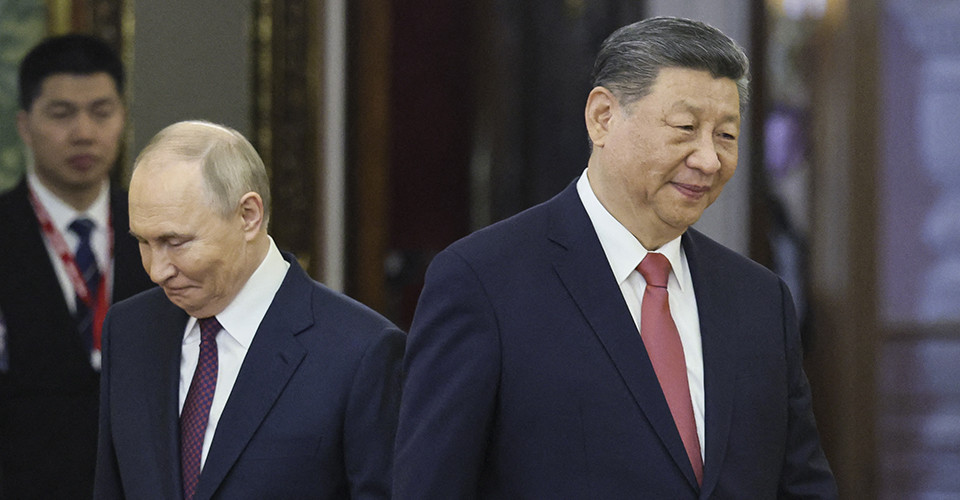
According to UATV: As the war in Ukraine continues and Western sanctions tighten on Moscow, the economic relationship between Russia and China is undergoing a dramatic transformation. Russian President Vladimir Putin has found himself in a position of growing dependency, with China's share of Russia's foreign trade ballooning from just 10% to 40%. This shift underscores how Beijing has become Moscow's crucial economic lifeline amid international isolation.
During Putin's recent visit to Beijing, 42 documents were signed, but a key gas deal remained elusive—highlighting Russia's ongoing struggle to secure its energy market needs. Despite Russia's increased reliance on China, Moscow accounts for less than 4% of Beijing's total foreign trade, a stark reminder of its limited influence within the Chinese economic sphere.
Chinese President Xi Jinping once held up Putin as a personal role model, but experts now say Beijing is playing a waiting game. According to analyst Alexander Gabuev, China's strategy is to hold off until Russia's economic situation deteriorates further, allowing Beijing to negotiate agreements on terms that are overwhelmingly favorable to itself. Gabuev notes:
'Beijing's strategy is to wait for Russia's economic position to worsen further and only then strike deals on the most advantageous terms for itself.' - Alexander Gabuev
Consequences of an Evolving Partnership
The result is an increasingly lopsided relationship, with Moscow's dependence on Beijing only set to deepen. These developments carry serious implications for the future political and economic landscape of the region.
As Russia's reliance on China grows in the context of the Ukraine war, the global balance of power is shifting. By capitalizing on Moscow's economic hardships, Beijing can impose stricter conditions on cooperation, which in turn will shape Russia's policy decisions. Monitoring the trajectory of this bilateral relationship is essential, as it will have significant repercussions for regional and global security and stability.
Read also
- China Demands a Fivefold Price Cut: Stalemate in Power of Siberia 2 Pipeline Talks
- Putin Acknowledges Fuel Shortage in Russia as Gas Stations Close and Sales Are Restricted
- Why Belarus Avoids War While Lukashenko Recruits Migrants and Expands the Army
- Putin Refuses to Halt War Without Concessions as Russia Faces Fuel Shortages and Plummeting Approval Ratings
- Russia Plunges Into the Abyss: Opposition Warns of a Collapse in Putin’s Regime
- China Backs North Korea’s Nuclear Build-Up as Pyongyang Escalates Military Ambitions