Seven Prompt Templates for Flawless Translation: Preserving Context and Audience.

Prompt Templates to Enhance Chatbot Translation Quality
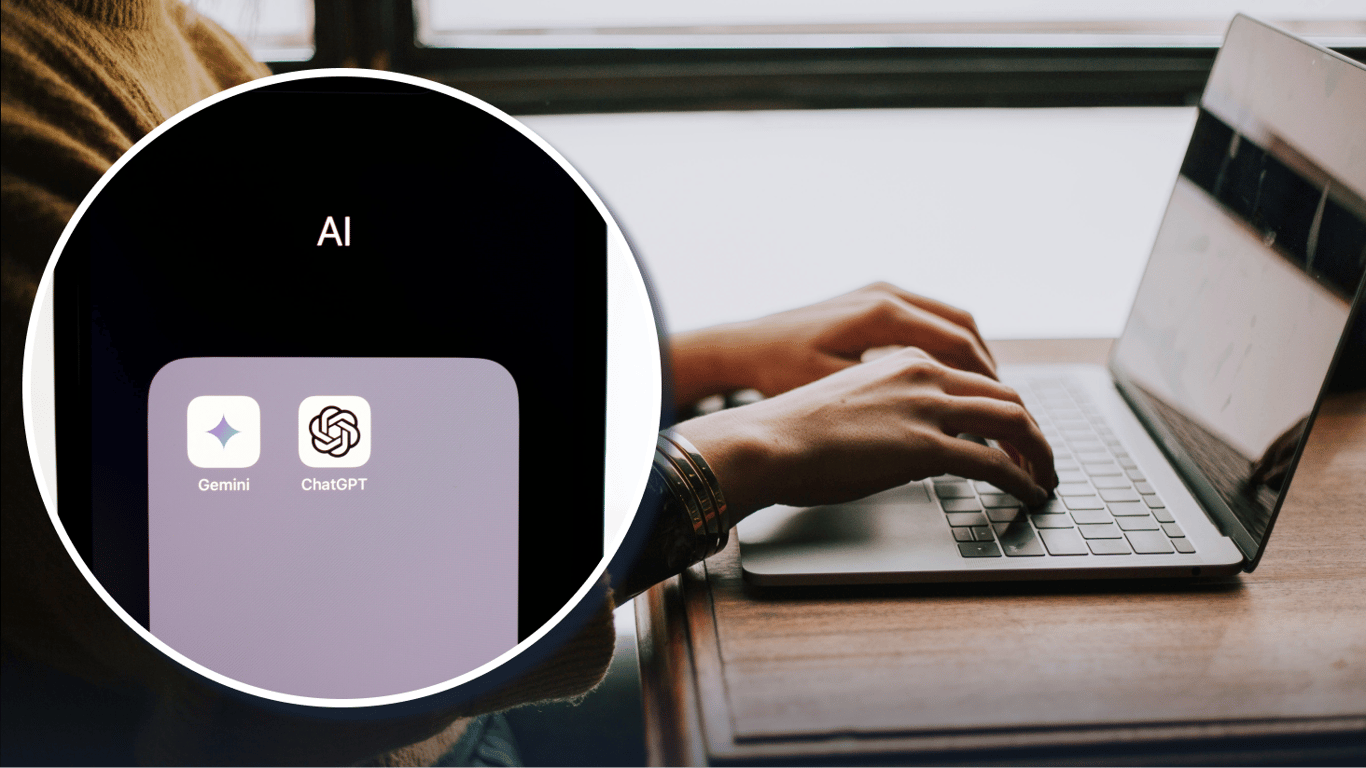
According to Novyny.live: As chatbots become increasingly prevalent in the modern world, the need for high-quality translation is paramount. To address this, seven prompt templates have been developed to improve chatbot translations by preserving context and tailoring content for specific target audiences. These templates are particularly useful for developers and content creators working with AI language models.
- Context Keeper: Emphasizes understanding the full context before translating, encouraging the transfer of meaning and cultural nuance rather than just word-for-word substitution.
- Formality Selector: Focuses on maintaining the original text's level of formality, which is critical for conveying the correct tone and register.
- Idiom Adaptor: Suggests flagging idioms and metaphors that cannot be translated literally and providing their natural equivalents in the target language.
- Audience Optimizer: Stresses adapting the text for a specific reader group, considering their cultural background and comprehension level.
- Back-Translation Check: Proposes translating the text back into the source language to identify any potential loss or shift in meaning.
- Regional Variants: Highlights the importance of accounting for geographical differences in language, such as between British and American English.
- Localization Layer: Calls for adapting content to local specifics, including currency, date formats, and cultural references.
These seven prompt templates provide practical tools for increasing translation accuracy in chatbots, enabling more effective cross-cultural and cross-linguistic communication. This approach is part of a broader trend to make AI tools more globally accessible and user-friendly.
The development of these templates reflects a growing need to adapt technology to diverse cultural contexts, a crucial aspect of globalization. Applying such prompts can significantly improve the user experience when interacting with chatbots, potentially increasing their adoption across various sectors. Implementing these methods represents a key step in advancing artificial intelligence, stimulating further innovation in the fields of translation and localization.
Read also
- Spinning 25 Times Per Second, the Phantom Twist Drone Is Nearly Invisible to the Human Eye
- Ukraine's Defense Boost: Zelenskyy Meets with 'Flash' Expert to Discuss Military Tech
- Could Ukraine’s New Freyja Air Defense System Shift the European Balance of Power?
- Geely Unveils 16-in-1 Electric Drive Unit: 75 kg, 93.8% Efficiency, and 570 HP
- China Challenges US Dominance in AI: Xi Jinping Proposes a New Global Body
- Vertical Aerospace to Add Autonomous Flight Capabilities to Its Hybrid Valo Aircraft