Why Russia Resorts to Nuclear Threats Ahead of Negotiations.

Analyzing the Kremlin's Nuclear Blackmail
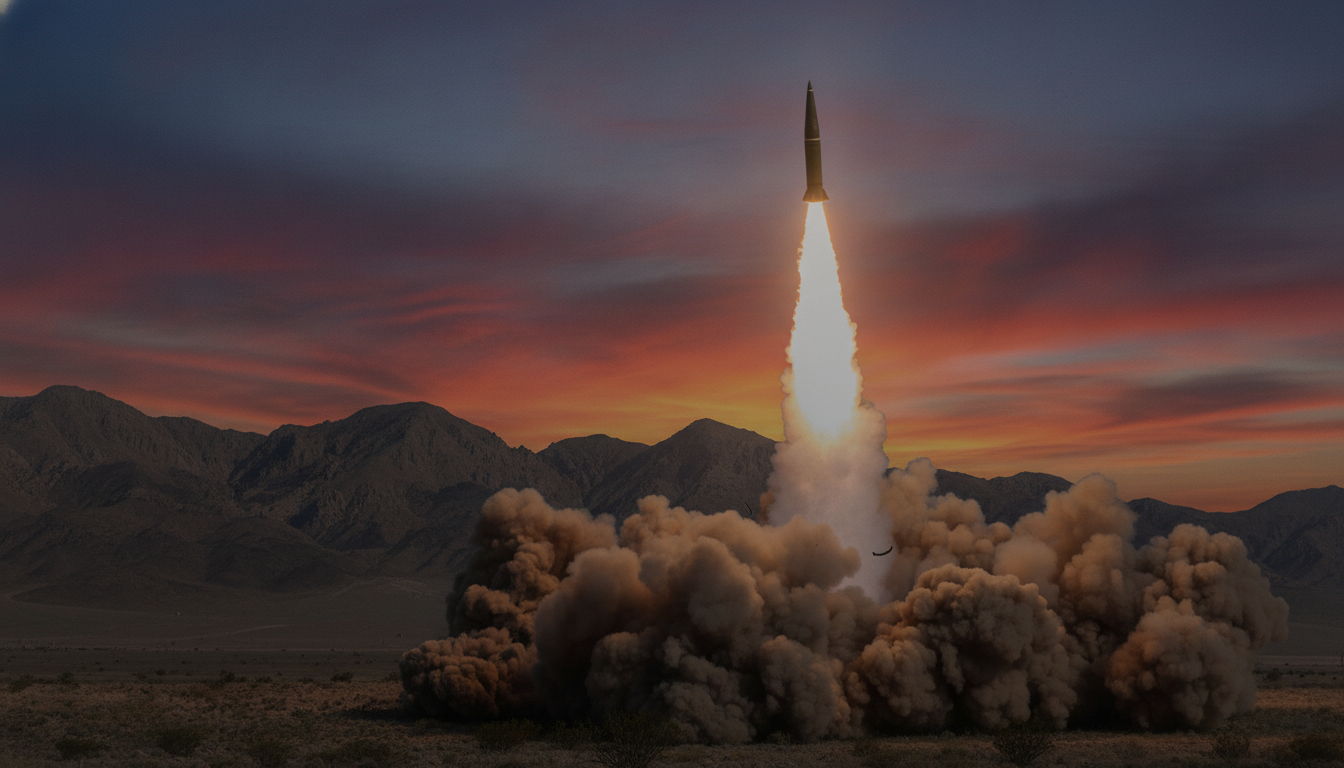
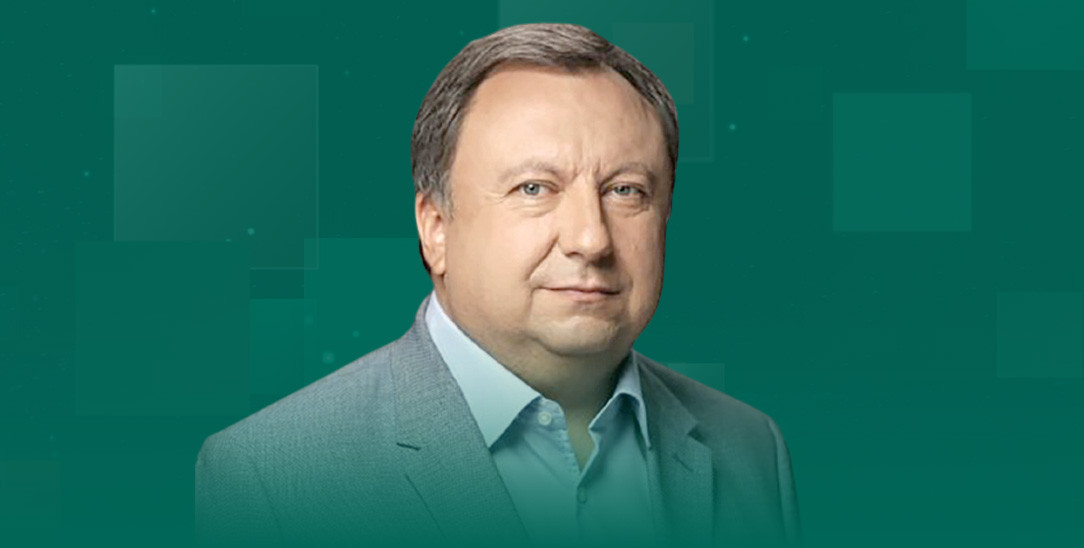
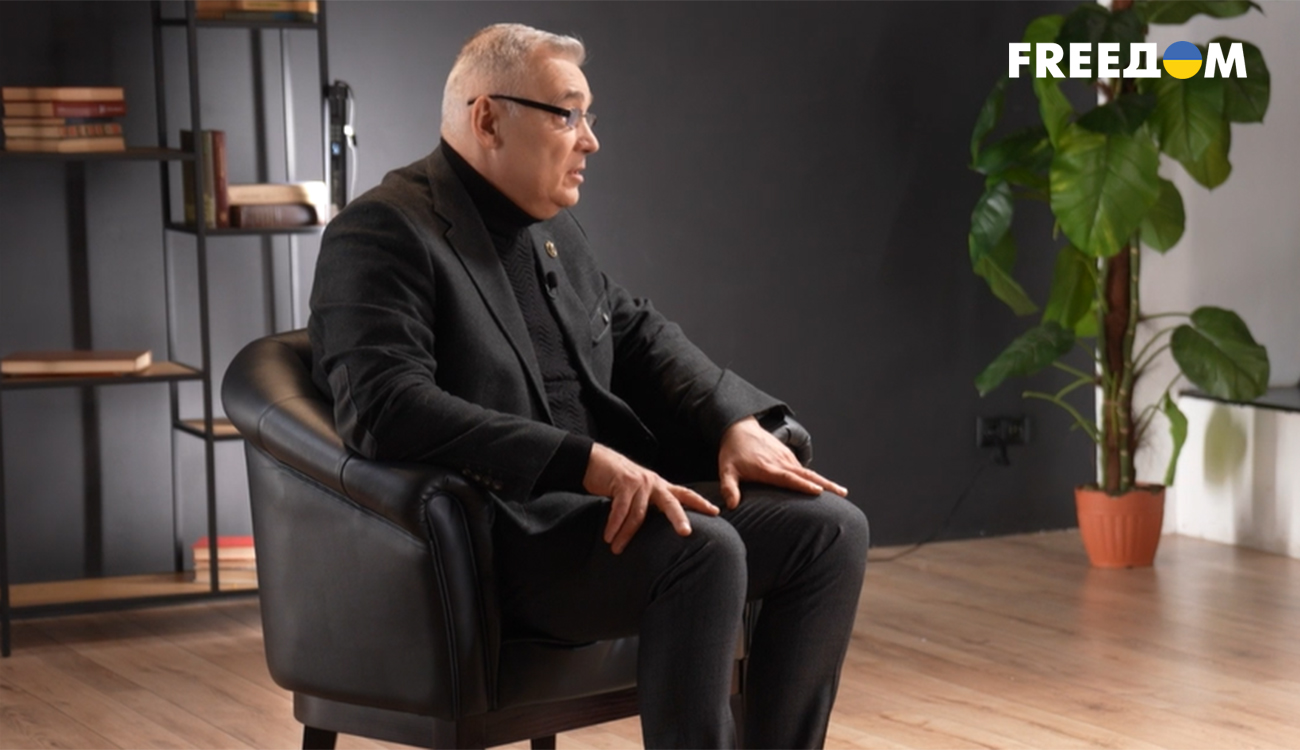
According to UATV: As potential meetings between Ukrainian President Volodymyr Zelenskyy, US representatives, and Russian President Vladimir Putin are discussed, the Kremlin's strategy of nuclear blackmail becomes critically important. Military-political analyst Dmytro Snehirov points out that Russia is leveraging the topic of nuclear weapons to pressure Ukraine's European allies, a tactic made evident by recent Kremlin statements and actions.
Snehirov emphasizes that the nuclear issue has become an element of military-political blackmail. He states:
“By putting forward absolutely insane versions about the possibility of transferring nuclear weapons to the Ukrainian side, the Kremlin is trying to threaten not the Ukrainian political and military leadership.” - Dmytro Snehirov
These comments indicate that Russia is attempting to create an atmosphere of fear and uncertainty, directing its threats not only at Ukraine but at the international community as a whole. This pattern of nuclear saber-rattling is a long-standing tactic Moscow employs during diplomatic tensions.
Response from International Partners
In this context, France and the United Kingdom have expressed a readiness to consider the possibility of deploying their troops to Ukraine. As Snehirov notes, “A communiqué of three countries on the possibility of deploying a foreign military contingent was signed in Paris.” This decision could mark a significant step in supporting Ukraine amid increasing pressure from Russia.
Furthermore, it is notable that messages from the Kremlin emerged following a statement by UK Defence Secretary John Healey. Dmytro Snehirov believes this points to a political and military defeat personally for President Putin. Ukraine's Defence Forces currently control 24% of the territory of Donetsk Oblast, underscoring the complexity of the situation in the country's east. The ongoing conflict has made the region a focal point of the war's most intense fighting.
Thus, the Kremlin's nuclear blackmail not only highlights the tension in relations with Ukraine but also reflects a broader geopolitical game where international partners play a key role. Given the current situation, it is crucial to monitor developments and the global community's response to Russia's actions, as this could significantly impact regional security and international relations.
Read also
- Despite Sanctions, Russia Produces New Missiles Using Fresh Electronics from the U.S. and China
- Why the Dismissal of Fedorov Is Eroding Public Trust in the Government
- Russia Summoned in Paris: France Condemns Cyber Attacks Linked to FSB Unit
- Latvia Bans Two Ukrainian Actors for Pro-Russia Propaganda: They Are Now Persona Non Grata
- New Anti-Russia Sanctions Advance in U.S. Congress: Inside the Daines Amendment
- Polish Support for Arming Ukraine Plunges, New Survey Reveals