Farmland Consolidation in Ukraine: Shareholders Risk Losing Control as Companies Merge Parcels.

Land Control Challenges in Ukraine's Agricultural Sector
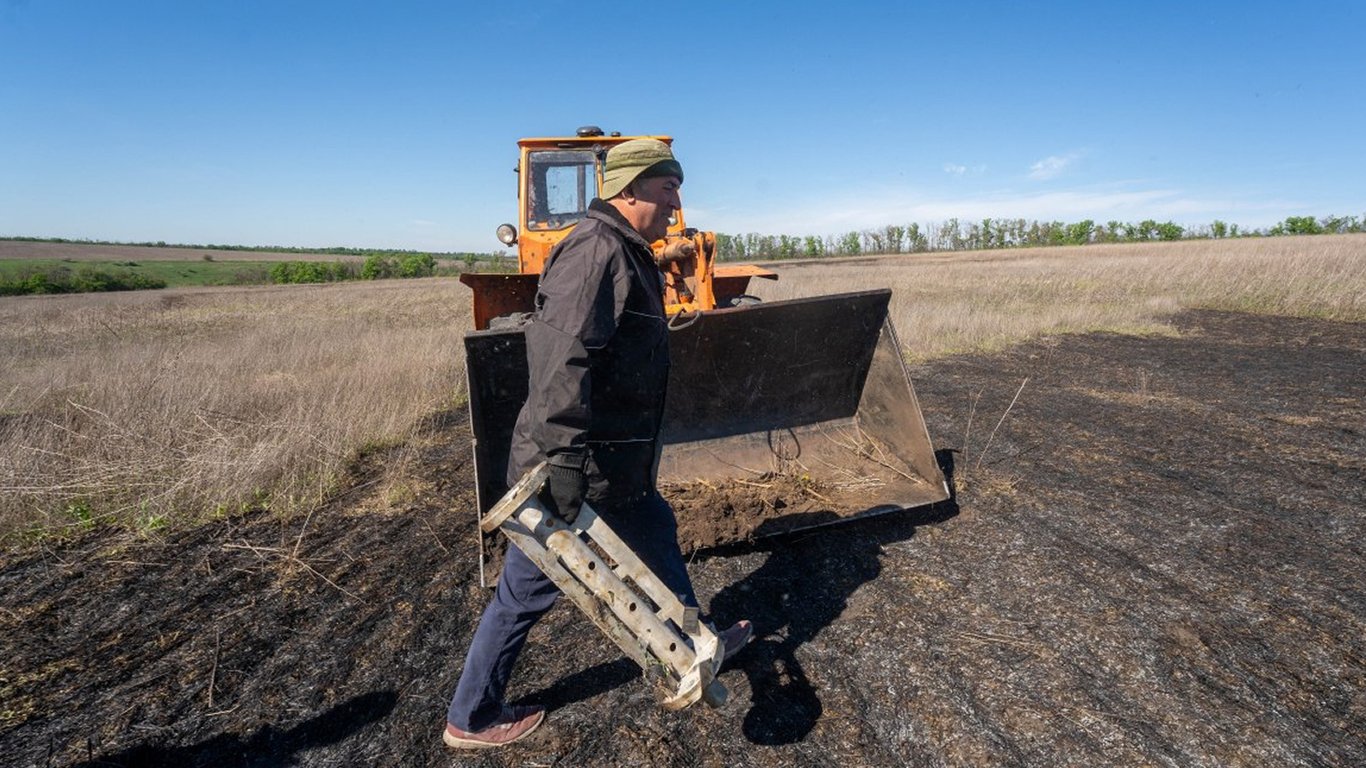
According to Novyny.live: Agricultural enterprises across Ukraine are increasingly merging individual land shares into large, unified tracts, a move that could strip landowners of their ability to manage their own property. The situation is particularly concerning because when 75% of a consolidated area falls under a single tenant, that tenant gains the authority to conduct 'inventory' and further consolidation, effectively reducing the leverage of individual shareowners. This dynamic is reshaping the balance of power in Ukraine's farmland market.
Looking ahead to 2026, landowners should note that holding a paper certificate is no longer a guaranteed proof of ownership. This shift could create significant hurdles for those trying to assert their rights amid evolving rules and practices in the agricultural sector. Shareholders must remain vigilant, as their land could be absorbed into a larger consolidated block, diminishing their control.
Steps for Registering Land in 2026
To register land for a house in 2026, shareholders will need to locate an available plot, commission a land allocation project, agree on boundaries with neighbors, and officially register their ownership rights. These steps present additional obstacles for individuals seeking to protect their interests under the new regulatory landscape.
How exactly is a land share included in a consolidated tract? At what point does a shareholder lose control over their land? And how can they defend their interests? These frequently asked questions demand careful attention, as shifts in agricultural policy could profoundly impact the rights of Ukrainian land-share owners. With agricultural companies continuing to consolidate farmland, it is essential that owners stay informed about their legal standing and available options.
Changes in Ukraine's agricultural policy may significantly affect the rights of land-share holders, increasing the risk of losing control over their property. Companies that consolidate farmland can amass considerable power, making it critical for shareholders to closely monitor their rights and opportunities, especially under the new regulatory framework. This may require proactive efforts to safeguard their interests and explore alternative uses for their land.
Read also
- Russian Stock Market Crashes Nearly 9% — What This Means for the Economy
- Record 324 MW of Wind Power Built in Ukraine in 2025: Here’s Where the New Farms Are
- How Donetsk Once Served as the Heart of a British Colony in Ukraine: The Story of Yuzivka
- Drone Strikes on Refineries Trigger Fuel Crisis in Russia: One in Five Trucks Now Idle
- Russia’s Economy Shows Cracks as Stock Indexes and Business Sentiment Plunge to New Lows
- Russian Billionaire Andrey Melnichenko Shares His Vision for Russia’s Post-War Future