Russia’s agricultural sector hits an eight-year low: what went wrong.

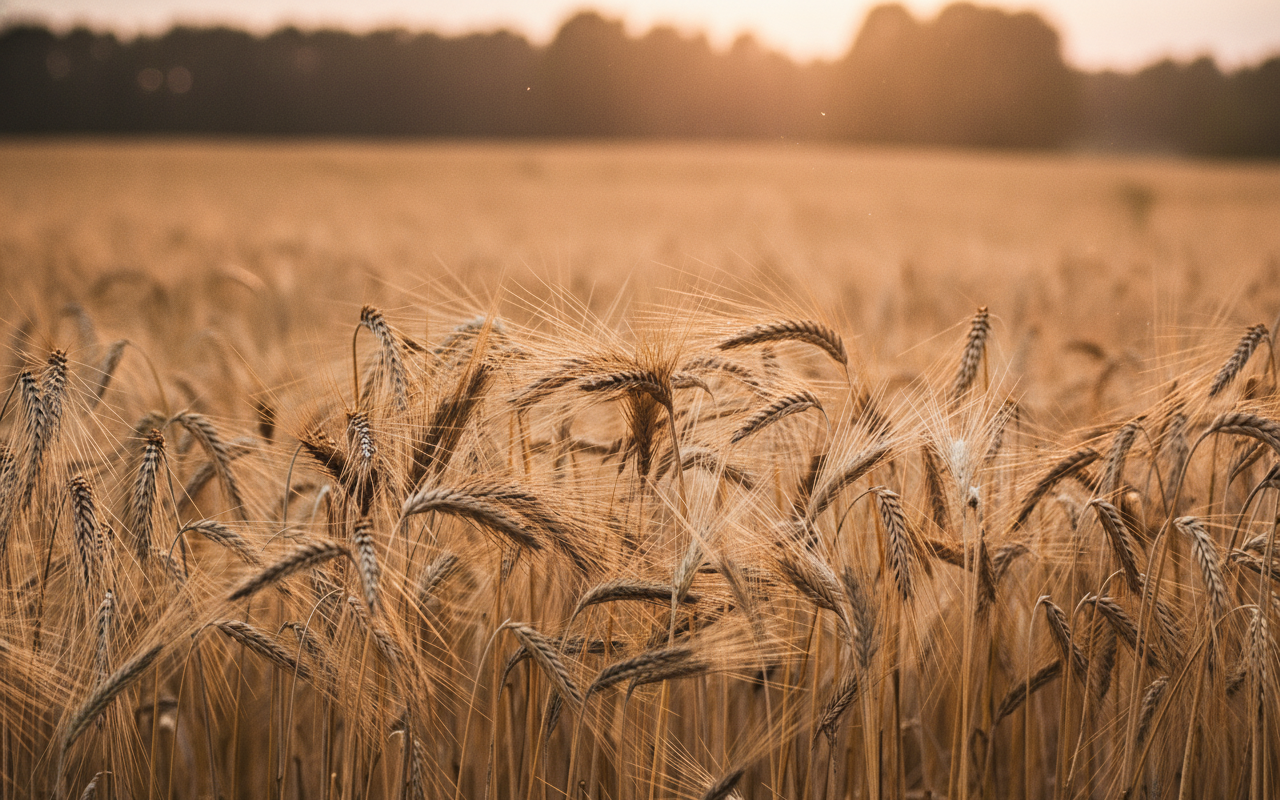
Russia’s farming sector: mounting problems and tough hurdles
According to UATV: Russia’s agricultural sector is now reporting its worst performance in eight years. As of June 11, 2023, farmers had planted only 42.3 million hectares out of a planned 83 million. This marks the slowest spring sowing campaign since 2018. While Moscow forecasts a grain harvest of 146 to 150 million tons in 2023, the current data reveals deep-rooted troubles across the industry.
To make matters worse, diesel prices have jumped by 35% in some regions over the past two months, reaching 87–90 rubles per liter — roughly $1.20 per liter. This surge is alarming for farmers, who cannot afford to pause operations in hopes of better conditions, yet also struggle to absorb costs that are eating into their already thin profit margins.
“Even in a normal season, those figures look overly optimistic — and this season is far from normal.” — Ukraine’s Foreign Intelligence Service
A closer look at Russia’s farming sector reveals serious challenges. With fuel costs climbing and planting progress lagging, agricultural producers find themselves in a tight spot. This could have a significant impact on the overall harvest and the country’s broader economic outlook.
Ripple effects on the market
The situation in Russia’s agricultural sector could have far-reaching consequences — not just domestically, but also for global export markets. Rising fuel prices are driving up production costs, while uncertainty over crop yields threatens to disrupt international food supplies. As one of the world’s top grain exporters, any instability in Russia’s harvest matters globally. With shifting climate patterns and ongoing economic sanctions adding further pressure, it is crucial to monitor how these developments unfold and what they mean for food security both regionally and worldwide.
Read also
- Russia’s Oil and Gas Revenue Set to Surge by 60%—Here’s What’s Driving the Jump
- IMF Disburses $690 Million Second Tranche to Ukraine: Where the Funds Are Going
- Russia’s Budget Deficit Could Hit 7 Trillion Rubles—What Are the Default Risks?
- Expert Sets Critical Threshold: 60% of Russia's Oil Refining Capacity Must Be Destroyed
- Russia Faces Imminent Fuel Crisis: Why Refinery Recovery Is Nearly Impossible, Expert Warns
- Economist identifies Russia's point of no return: why it can never reclaim its place among global economic leaders