The 2014 Crimean Annexation: A Timeline from 'Little Green Men' to an Illegitimate Referendum.

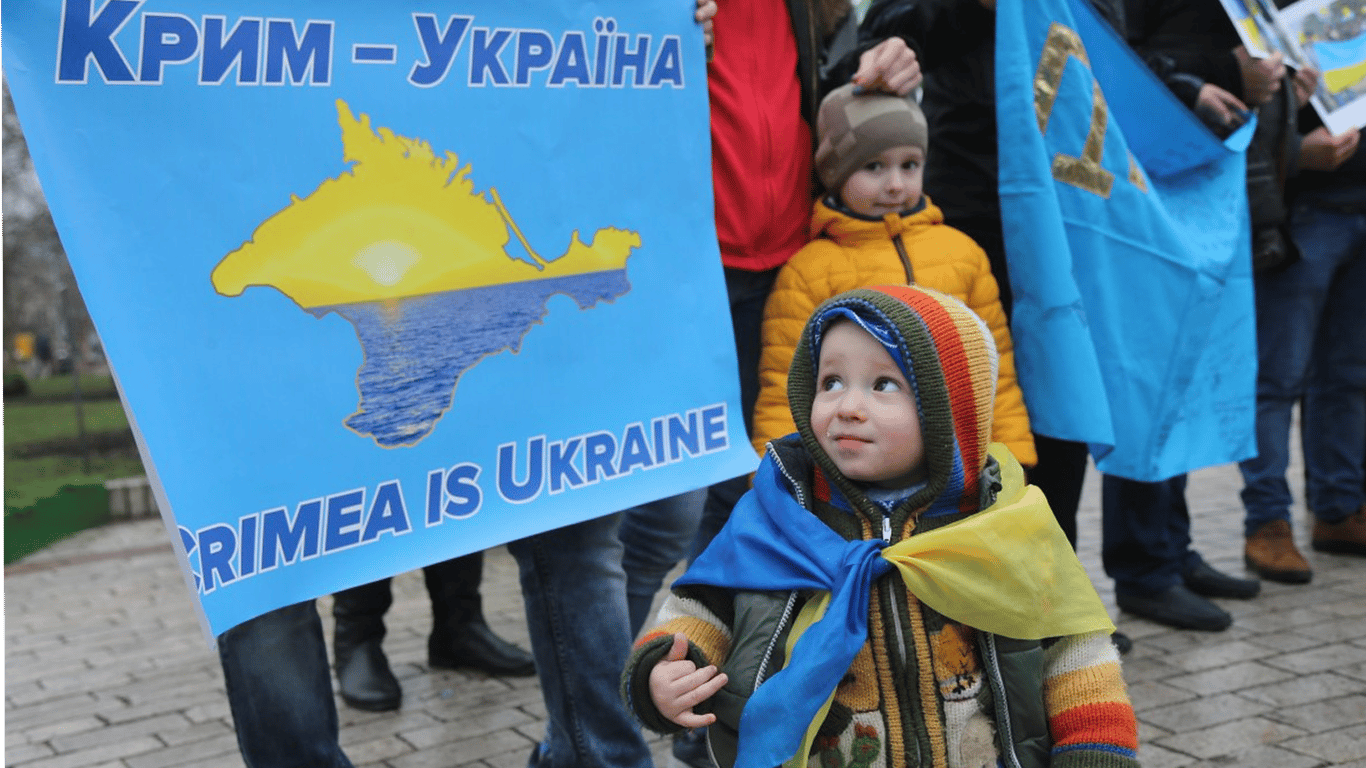
The Russian Annexation of Crimea
According to Novyny.live: In 2014, the Crimean Peninsula became the target of a military aggression by Russia, culminating in its annexation. The crisis began on February 20th when Russian forces invaded Crimea. This invasion was the climax of tensions that had been escalating since the 2010 Kharkiv Pact, where Ukrainian President Viktor Yanukovych agreed with Russia to extend the lease for its Black Sea Fleet in Crimea until 2042.
A pivotal moment came on February 27, 2014, with the seizure of the Crimean parliament building, a key step in Russia's plans. Shortly after, on March 1st, Russian President Vladimir Putin formally requested authorization from the Federation Council to deploy troops to the peninsula. The military operation was marked by the appearance of so-called 'little green men'—unidentified soldiers in uniforms without insignia. Putin later claimed these forces
"would supposedly be shielded by the civilian population".
The Referendum and Its Aftermath
On March 16, 2014, a widely disputed 'referendum' on the peninsula's status was held, which the international community refused to recognize as legitimate. Based on its contested results, Russia signed a treaty on March 18, 2014, to formally annex Crimea. This event is widely regarded as the first forcible alteration of European borders since World War II. The occupation of Crimea marked the beginning of an ongoing, protracted conflict with significant political and social consequences for Ukraine and the wider region.
Russia's annexation of Crimea posed a severe challenge to international law and European security, prompting numerous sanctions against the Russian Federation by Western nations. The conflict heightened regional tensions, drastically altered Ukraine-Russia relations, and shifted the global geopolitical landscape. Finding a path to dialogue and a peaceful resolution remains a critical and urgent task for the international community.
Read also
- Putin’s Approval Rating Plunges to 66% as Russia’s Fuel Crisis Worsens
- Why Russia Sees Turkey as a Viable Negotiation Hub: Three Key Reasons
- Fuel Shortages and Rising Prices Drive Russians to Buy Foreign Currency in Droves
- CIA Director: Russian Soldiers Survive Only 30 Minutes on the Frontline
- Capital Flight from Russia: Why Billionaires Are Moving Assets Abroad
- Putin Open to a Deal, Trump Claims: When the War Could End