Why Russia Is Losing a Key Ally as Armenia Pivots Toward the West.


Armenia’s Foreign Policy Shift
According to UATV: Armenia is reorienting its foreign policy toward Western nations, a move that has raised alarms in Moscow. This strategic turn stems from Russia’s inaction during the Nagorno-Karabakh conflict, which left many in Armenia feeling betrayed. For decades, Armenia stood as a close Russian ally, but recent developments are driving the country to pursue new strategic partnerships.
The Nagorno-Karabakh Conflict
The Nagorno-Karabakh conflict, which unfolded over the past five years, ended with Azerbaijan reclaiming territories that Armenia had long considered its own. This outcome has been a major catalyst for Armenia’s foreign policy realignment. Notably, the United States and Armenia recently signed a Charter on Comprehensive Strategic Partnership, signaling a new chapter in bilateral relations. Additionally, the European Union has crafted a strategy for the Black Sea basin that includes the South Caucasus region.
“The current situation is the result of the political and military events that have taken place in the South Caucasus over the last five years.”
Viacheslav Potapenko
Potapenko also noted that “the large-scale aggression against Ukraine was another factor that prevented Russia from having even the technical capacity to engage in the conflict between Armenia and Azerbaijan.” Such assessments underscore that Moscow views Armenia’s current policy direction as an unthinkable development.
Armenia’s changing foreign policy trajectory could have significant implications for regional stability, as the country seeks new alliances after its traditional partner failed to provide active support. By strengthening its position on the global stage and deepening cooperation with the West, Armenia may reshape the geopolitical landscape of the South Caucasus.
These shifts could also prompt other nations in the region to reassess their own foreign policy strategies, especially in light of evolving alliances and challenges arising from changing relations among major powers.
Read also
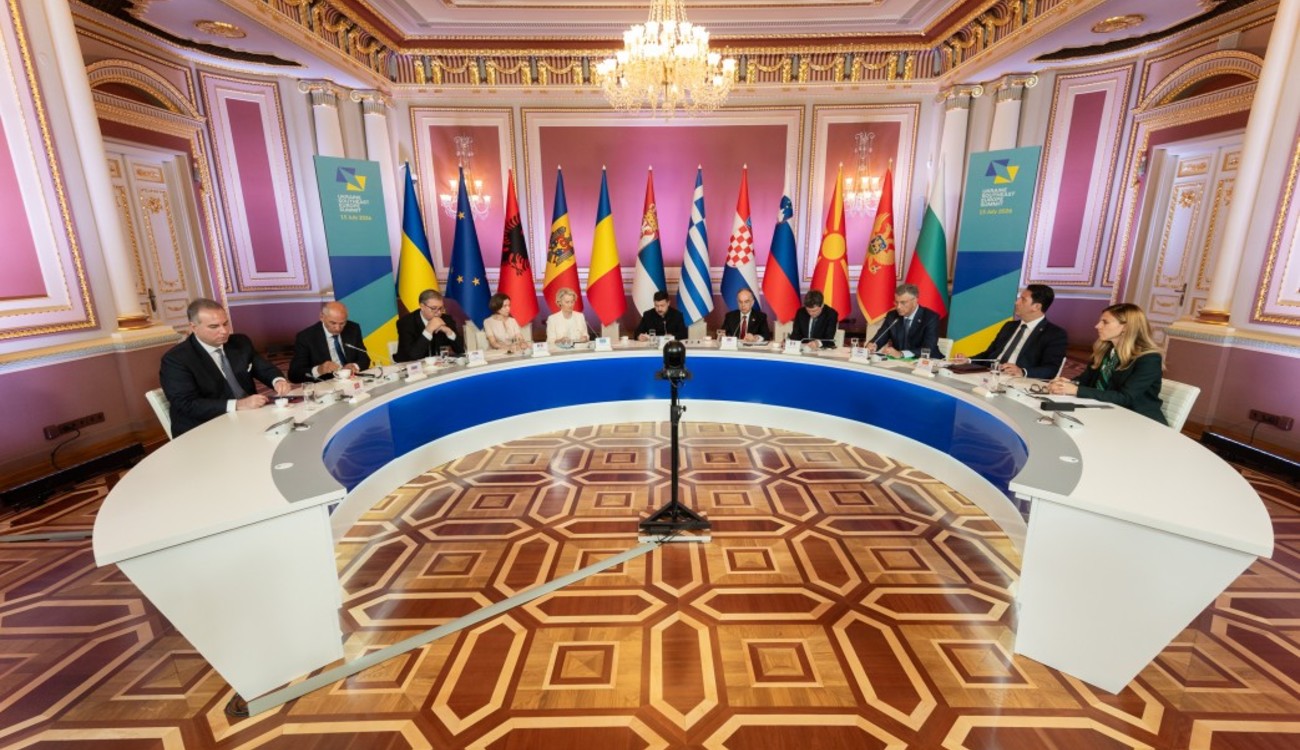
- At Kyiv Summit, Zelensky Urges Europe to Maintain Pressure on Russia Through Sanctions
- Massive protests erupt across Ukraine after defense minister Fedorov is dismissed
- Repeating History: Why Ukraine Lost Its Liberation Struggle a Century Ago
- Russia’s Accusations Over Zaporizhzhia Engineer’s Death Dismissed by Ukraine’s Foreign Ministry
- CIA Director: Russian Soldiers Survive Only 30 Minutes on the Frontline
- US Greenlights License for Patriot Missile Production in Ukraine