Fuel Shortage Hits Russia After Ukrainian Strikes: 15 Regions Impose Sales Restrictions.

Russia Restricts Fuel Sales Amid Supply Crisis
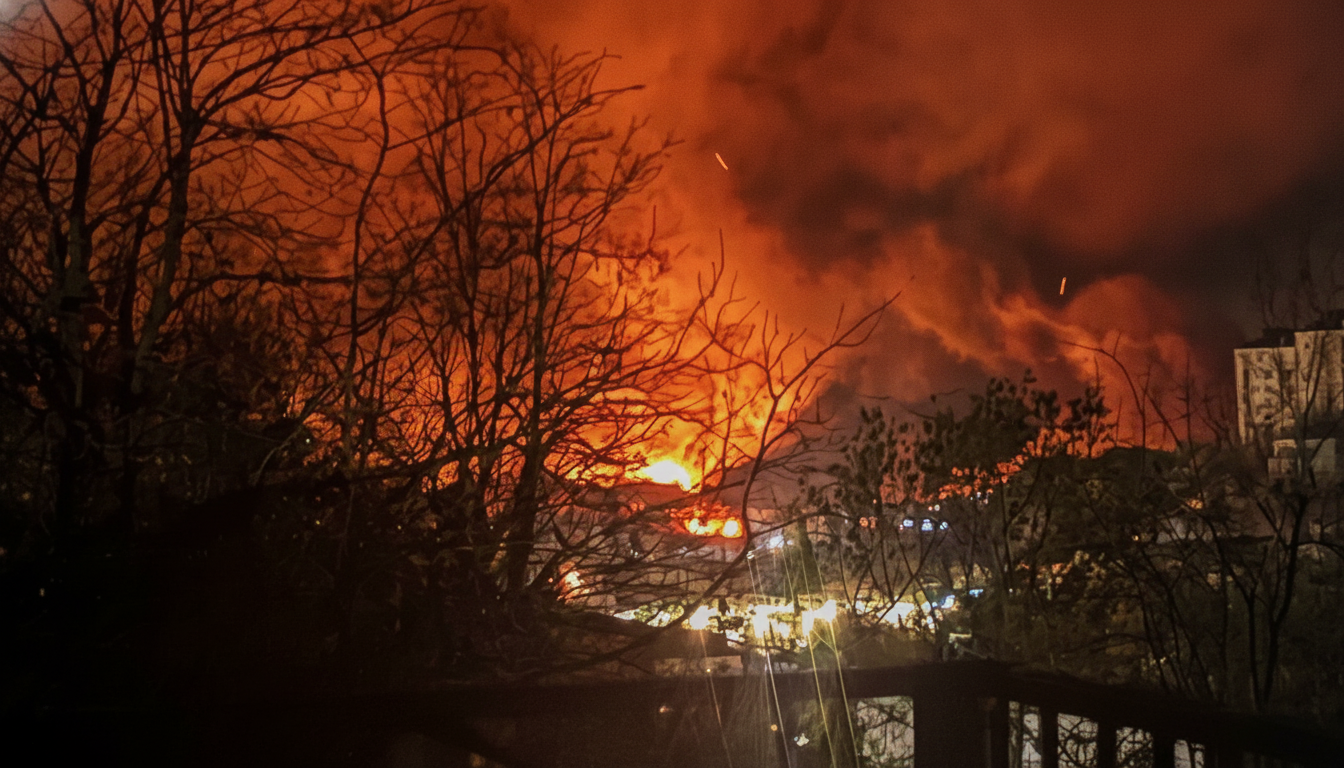
According to Novyny.live: Fifteen Russian regions—including Moscow and St. Petersburg—have introduced limits on fuel sales following a series of Ukrainian military strikes on the country's oil refineries. The measures were triggered by attacks that began in early May, when Ukrainian drones hit the Ryazan refinery, disrupting supplies of AI-92 and AI-95 gasoline grades.
Gasoline Sales Under Tight Control
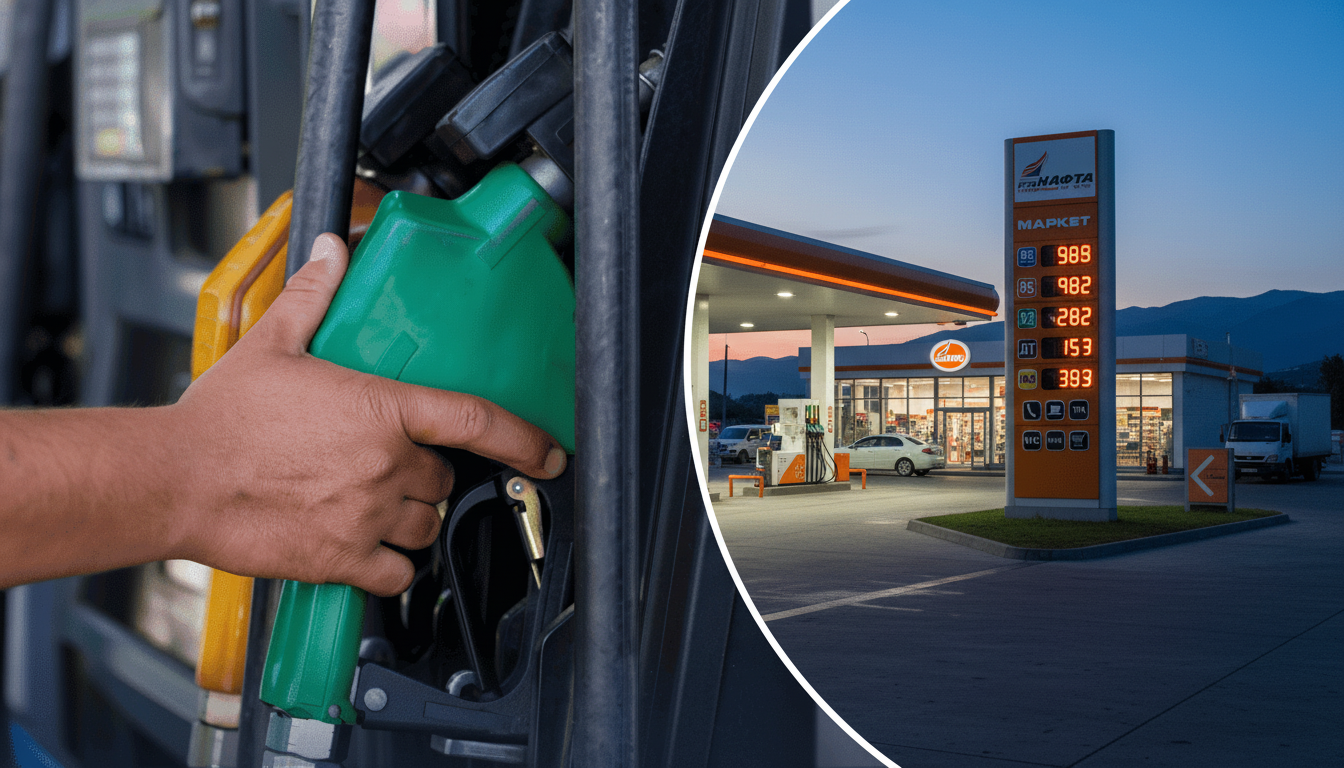
Restrictions on gasoline sales have been recorded across multiple regions. In Crimea, fuel is now only available through a voucher system, severely limiting public access. In early June, Rosneft gas stations in Belgorod and Kursk regions stopped dispensing fuel into canisters, adding another hurdle for drivers. In Moscow, the ORTK station chain caps purchases at 60 liters of gasoline and 100 liters of diesel per vehicle—a clear sign of strained supply. Drivers in Novgorod region can buy no more than 20 liters of gasoline per customer, while Murmansk region residents report empty pumps at several stations.
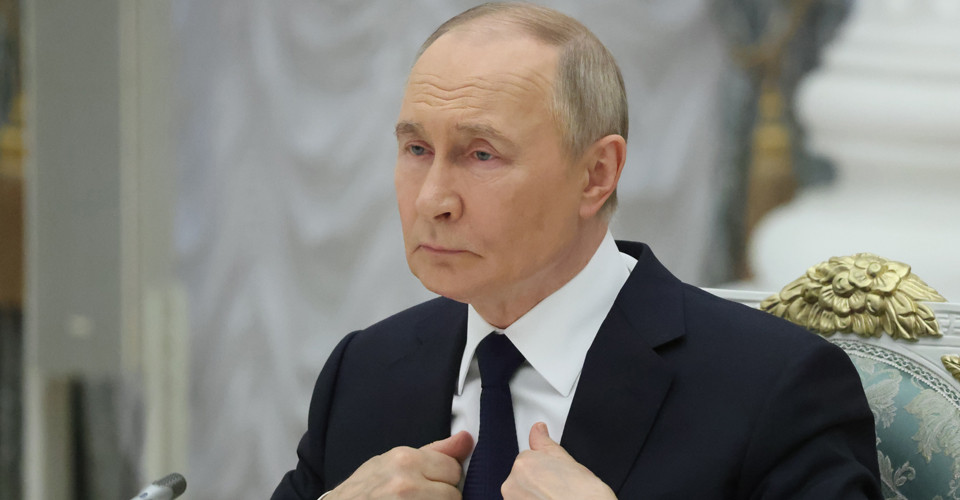
Additional sales restrictions have been imposed in Karelia, Oryol, Tomsk, and the Koryak District of Kamchatka Krai. Despite these realities, Russian Deputy Prime Minister Alexander Novak described the situation as 'stable' on June 4. Local operators in Voronezh region are refusing to sell fuel in canisters, further squeezing consumers.
Throughout May 2026, Ukraine carried out at least 16 attacks on Russian oil refineries, causing major supply disruptions across several regions. These events highlight the escalating conflict's direct impact on Russia's energy security and, consequently, on everyday access to fuel for its population.
The situation underscores the vulnerability of Russian energy infrastructure amid the ongoing war with Ukraine. As a result, fuel sale restrictions may dampen economic activity in affected areas and increase social tension among citizens struggling to meet their transportation needs. Further Ukrainian strikes on energy facilities could worsen the crisis, forcing Russia to take additional steps to stabilize its fuel market.
Read also
- Credit Card vs. Online Loan: Which One Saves Ukrainians More Money?
- Russia’s War in Ukraine Marks a Historical Turning Point as Its Economy Cracks Under Pressure
- Brent Crude Surpasses $110 a Barrel: Could Iran Tensions Trigger a Global Energy Crisis?
- Ukraine Strikes Russian Ports: The Cost of a Month-Long Shutdown at Tuapse
- Fuel Shortage in Crimea: Russian Logistics Crippled by Ukrainian Strikes, Says Feigin
- Ukraine’s Strikes Trigger Fuel Crisis as Russia Loses 40% of Oil Refining Capacity