Avoid Getting Locked into Outdated Land Lease Terms in Ukraine.

Scrutinizing Land Lease Agreements in Ukraine
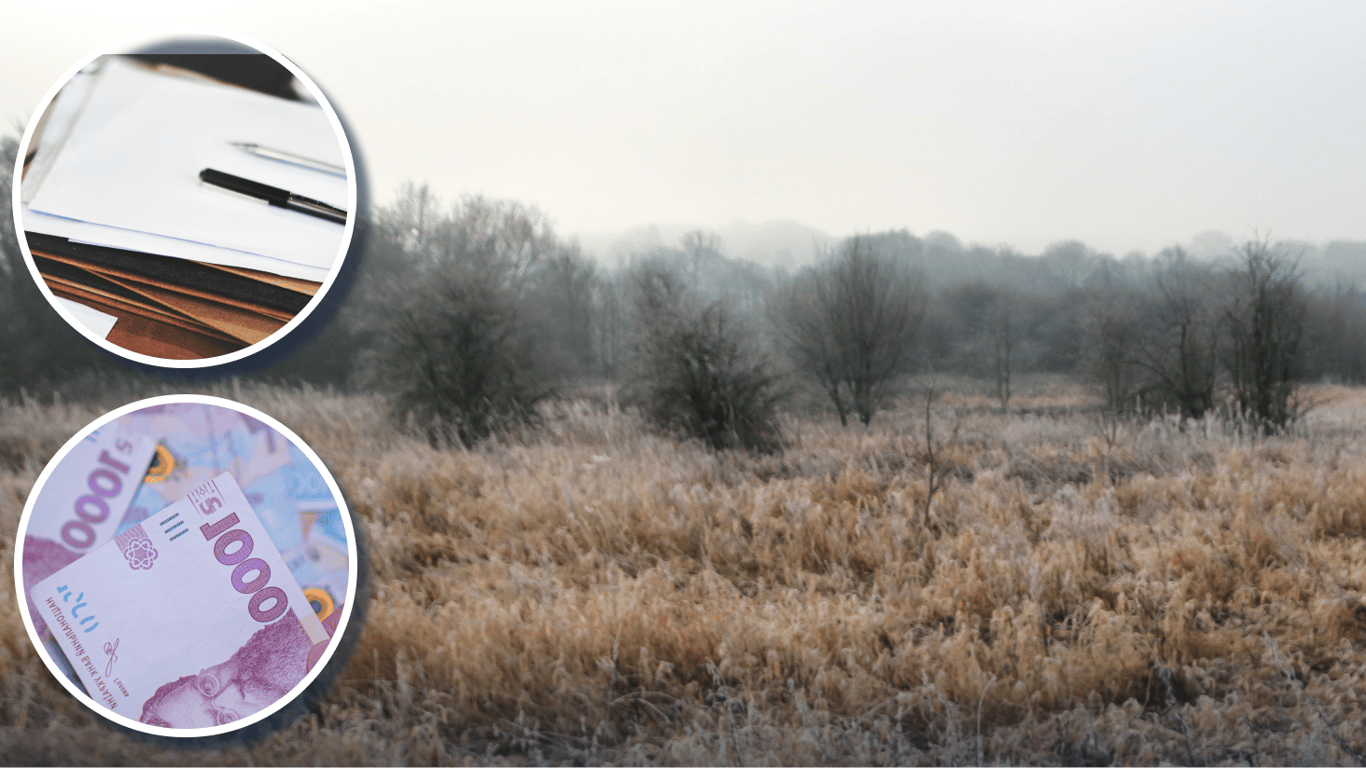
According to Novyny.live: In Ukraine, there is an ongoing review of old land lease agreements signed 7-10 years ago. This initiative is driven by shifting market conditions and landowners' desire to increase rental rates or change tenants. Consequently, it is crucial to pay attention to key aspects that could affect future land use. These reviews are part of a broader effort to modernize the country's agricultural land market following the lifting of the moratorium on land sales.
Lease contracts with automatic renewal clauses can trap tenants under terms that no longer reflect current market realities. Landowners have the right to stop this automatic extension by filing a statement to exclude renewal information. It is critical to note that this statement must be submitted at least one month before the contract's expiration date.
Key Considerations for Landowners
In light of these changes, landowners should consider several important points:
- The contract's expiration date, which determines when action must be taken for its revision.
- The renewal clause, which should be carefully examined as it may be the cause of automatic extension.
- The rent review mechanism, which may need updating to align with new market conditions.
- The contract termination terms, which must be clearly defined to avoid future misunderstandings.
Therefore, reviewing old land lease agreements in Ukraine is a vital step toward adapting lease terms to modern market conditions. Landowners must carefully assess their contract terms and take timely action to revise or terminate them.
These audits are part of a wider strategy to reform land relations in Ukraine, aimed at increasing the efficiency of land resource use. Legislative changes and market trends require landowners to adapt their agreements to new conditions, which could significantly impact the agricultural sector and the economy overall. It is essential for all involved parties to understand their rights and obligations to prevent future conflicts and ensure stability in the land market.
Read also
- Ukraine’s Strikes Trigger Fuel Crisis as Russia Loses 40% of Oil Refining Capacity
- Ukraine Strikes 42 Russian Vessels in 11 Days as Drone Campaign Intensifies
- Russian Stock Market Crashes Nearly 9% — What This Means for the Economy
- Record 324 MW of Wind Power Built in Ukraine in 2025: Here’s Where the New Farms Are
- How Donetsk Once Served as the Heart of a British Colony in Ukraine: The Story of Yuzivka
- Drone Strikes on Refineries Trigger Fuel Crisis in Russia: One in Five Trucks Now Idle