The Sea of Azov Is Becoming a 'Graveyard of Ships' — What Russia Stands to Lose.

Russia Losing Control Over the Sea of Azov
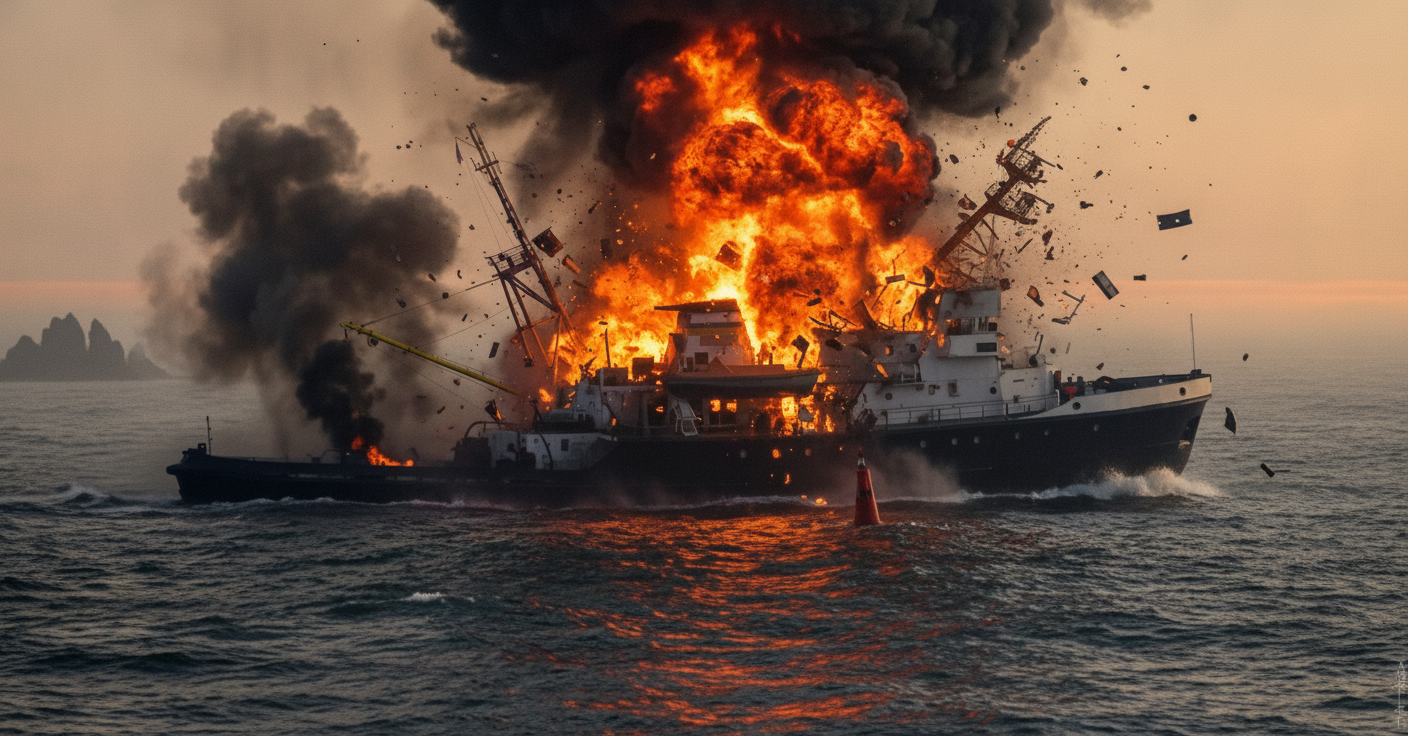
According to Espreso.tv: According to military and political analyst Oleksandr Kovalenko, the Sea of Azov is rapidly losing its strategic importance for Russia. This shift follows a series of strikes on vessels and port infrastructure, which have resulted in a blockade and severe resource shortages across occupied territories. Kovalenko describes the Sea of Azov as turning into a 'sea of dead ships.'
Conditions in the region continue to deteriorate as the blockade tightens. These disruptions have caused major difficulties in supplying fuel and lubricants to Crimea and the occupied parts of mainland southern Ukraine. Recently, attacks have increasingly targeted dry cargo ships rather than tankers, signaling a tactical shift in strike operations. Blocking the illicit export of grain from temporarily occupied areas has also become a key factor affecting the local economy.
Infrastructure Strikes and Their Consequences
Strikes on Russian port-side infrastructure, stretching from Taganrog to Temryuk, have further aggravated the situation. On July 14, Ukraine's Unmanned Systems Forces struck 11 vessels belonging to Russia’s shadow fleet. Kovalenko noted that this is no longer just about isolating Crimea, imposing a logistical lockdown on the occupied south, or blockading the Sea of Azov.
“This is a vast region whose economy depends on Azov shipping.”
Oleksandr Kovalenko
As a result, the situation in the Sea of Azov continues to worsen, creating new challenges for Russia’s economy and regional security.
The diminishing role of the Sea of Azov in Russia’s logistics and trade could have long-term consequences for the economy of the occupied territories, as ongoing infrastructure strikes hinder access to critical resources. This may force Russia to seek alternative supply routes or adjust its military tactics to mitigate the blockade’s impact. Future developments in the region will likely affect the broader security landscape of the Black Sea area, given that the Sea of Azov remains a strategically vital waterway for both sides of the conflict.
Read also
- EU and Ukraine Launch Talks on the Sixth Cluster: Why Other Negotiation Chapters Are Pushed to Autumn
- Japan Establishes First Post-War Intelligence Agency Amid Threats from Russia, China, and North Korea
- Two Scenarios for Ukraine’s Government Reshuffle: Replacing the Prime Minister and Cabinet Ministers
- Fuel Shortages From Drone Strikes Force Russian Officials to Bike to Work
- Ten Nations Join Ukraine's Freyja System as Kyiv Completes Its Own Anti-Ballistic Missile Development
- Hungary Apologizes to Finland and Sets NATO Spending Target: Key Details