Ten Nations Join Ukraine's Freyja System as Kyiv Completes Its Own Anti-Ballistic Missile Development.

Shaping a European Anti-Ballistic Shield
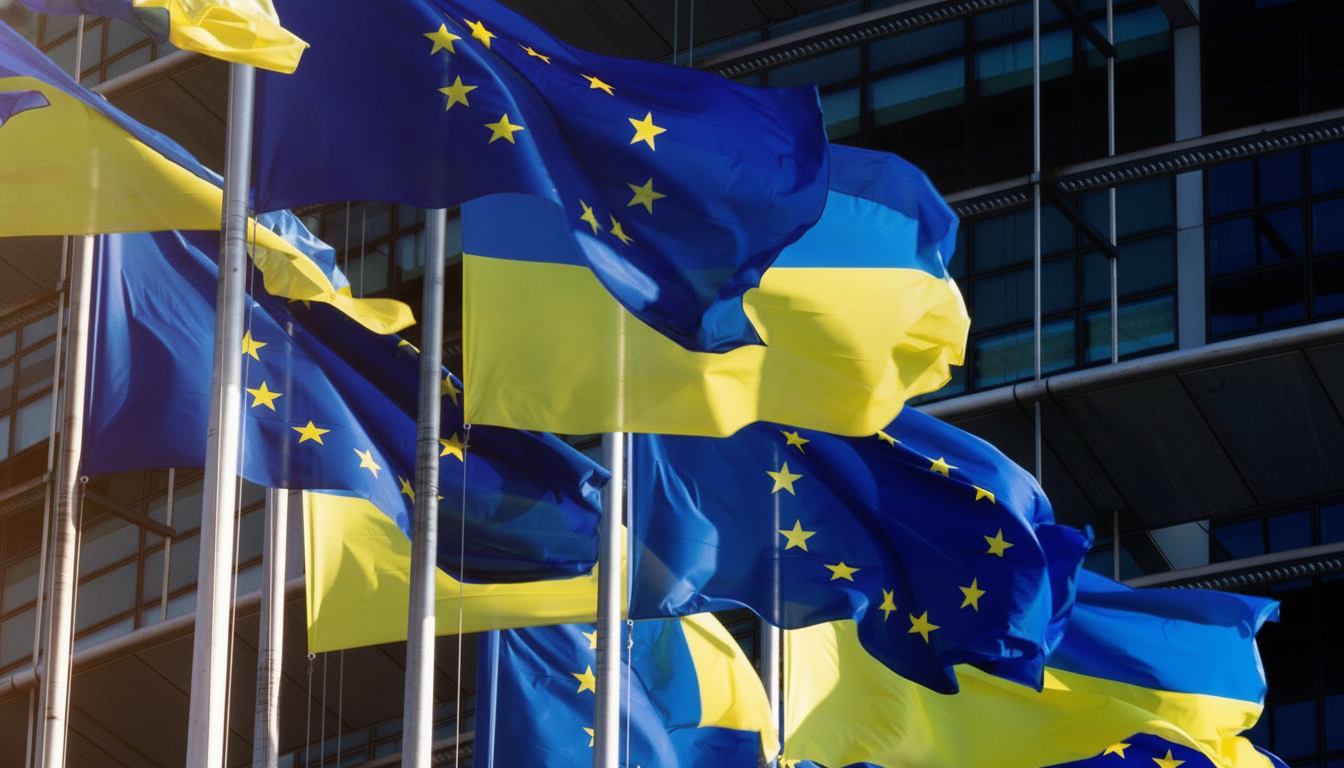
According to UATV: Kyrylo Budanov, head of Ukraine's Presidential Office, held talks with EU Commissioner Andrius Kubilius about building a unified anti-ballistic defense network for Europe. The discussion highlighted the importance of Ukraine independently developing its own anti-ballistic missile. President Volodymyr Zelenskyy stated that this homegrown weapon will serve as a key component of the Freyja missile defense system, which is envisioned as a European alternative to American Patriot batteries.
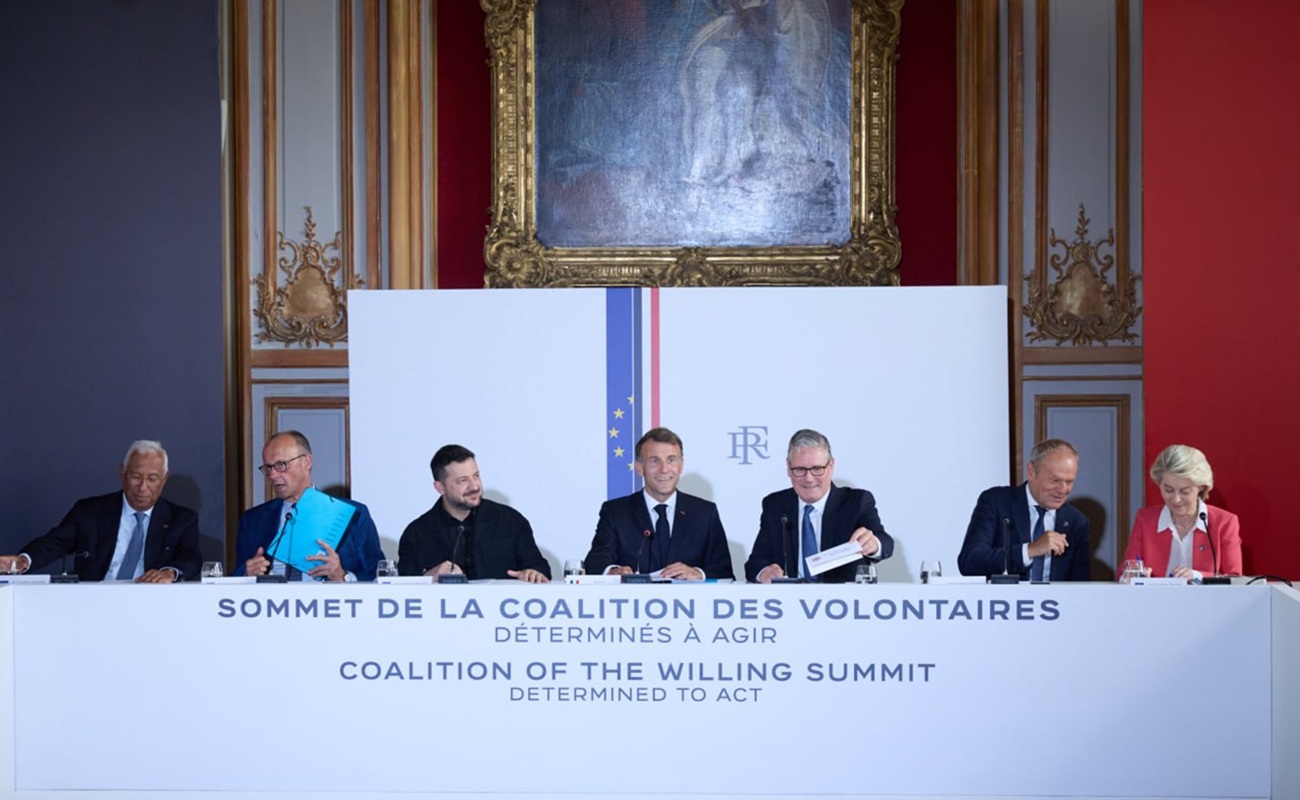
Members of the Anti-Ballistic Coalition
The following countries have joined this coalition:
- Ukraine
- France
- United Kingdom
- Germany
- Italy
- Norway
- Denmark
- Sweden
- Netherlands
- Spain
As part of this collaboration, France has authorized Ukraine to produce Aster 30 missiles, SCALP cruise missiles, and Hammer guided aerial bombs. Additionally, Kyiv has signed agreements for joint drone manufacturing with nine countries. A shared grant fund has also been established to finance research and development by Ukrainian and Dutch companies.
Volodymyr Zelenskyy emphasized: 'Ukraine has a missile, but that is just one part of the system. Together, we can build this missile and this entire system within the next 12 months.'
This reflects Ukraine's serious commitment to bolstering its own security and that of Europe amid rising threats. French President Emmanuel Macron also noted that 'Russia's war against Ukraine and the associated risks show that Europe's strategic situation is defined not so much by stockpile volumes as by the flow of supplies.'
Developing an anti-ballistic system and deepening ties with EU nations are critical steps toward strengthening defense capabilities for both Ukraine and the broader European continent. These efforts could significantly reshape the regional security architecture, reducing reliance on traditional systems and potentially enhancing protection against external threats—an especially urgent goal given the ongoing conflict with Russia.
Read also
- Tensions Between Ukraine's Defense Ministry and General Staff: Is Minister Fedorov's Dismissal on the Horizon?
- Nine Nations Join EU Sanctions Against Russia: Details on the Latest Restrictions
- Trump Announces License for Patriot Missile Production in Ukraine: What It Means
- Ukraine's Parliament Eyes Government Reshuffle: Who Could Be Dismissed
- A Historic Moment for Ukraine’s Armed Forces: Ukrainian Soldiers March in France’s Bastille Day Parade
- New Entitlements for Convicts Joining the Ukrainian Armed Forces: Leave and Transfers Granted