Hungary Apologizes to Finland and Sets NATO Spending Target: Key Details.

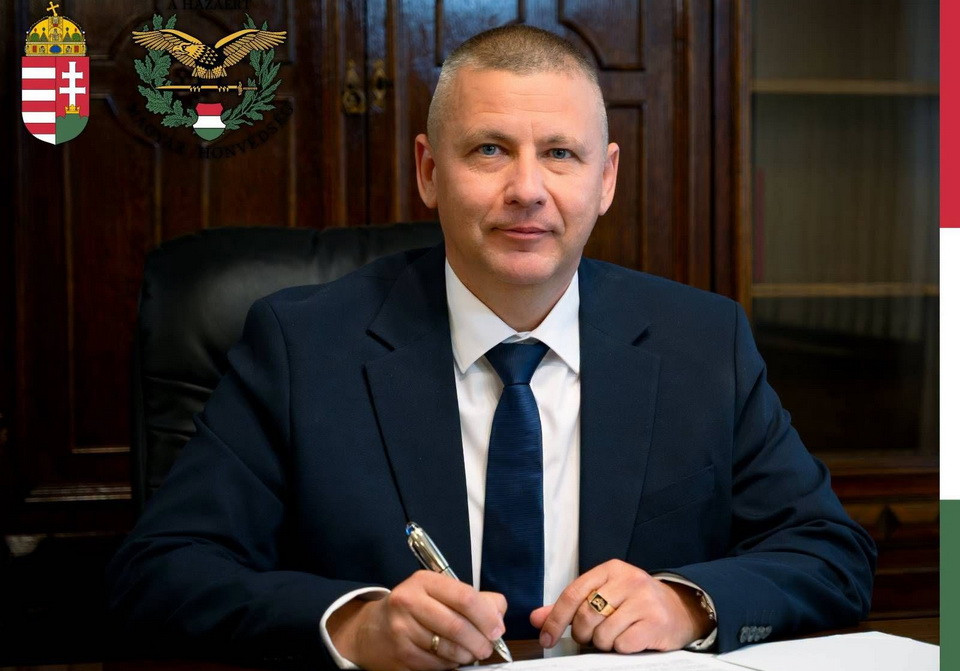
Hungarian Defense Minister's Address
According to Espreso.tv: At the Budapest Energy and Security Talks conference, Hungary's Defense Minister Romulus Rusin-Szendi outlined the new government's defense strategy priorities, NATO commitments, and plans to modernize the country's armed forces. During his speech, Rusin-Szendi stressed the need to rebuild Hungary's defense capabilities, which he described as having deteriorated over the past 35 years.
Hungary has recently issued an apology to Finland for delaying its NATO accession. The minister also emphasized that the NATO members' pledge to raise defense spending to 5% of GDP is a crucial step for security. Hungary aims to reach this target by 2035 as part of its alliance obligations. Rusin-Szendi declared:
“We are closing the door on the Russians”, signaling the government's determination to strengthen national security.
Military Modernization Efforts
The modernization of Hungary's armed forces began in 2017, and the government continues to work on improving military infrastructure and capabilities. Rusin-Szendi noted that while “I could spend a lot of money on military needs, there is obviously a time and place for that.” This statement reflects the government's aim to balance urgent military requirements with long-term strategic goals.
The Budapest Energy and Security Talks conference thus served as a forum for discussing key issues in Hungary's defense policy, including NATO commitments and plans for military modernization—priorities for the new government.
This event highlights Hungary's growing focus on defense amid Europe's shifting geopolitical landscape. With rising security challenges such as Russian aggression, Hungary's efforts to bolster its military capacity can be seen as an important step for strengthening collective regional security.
- The commitment to achieve 5% defense spending by 2035 underscores the seriousness of the Hungarian government's intentions within the context of European integration and NATO cooperation.
Read also
- EU and Ukraine Launch Talks on the Sixth Cluster: Why Other Negotiation Chapters Are Pushed to Autumn
- Japan Establishes First Post-War Intelligence Agency Amid Threats from Russia, China, and North Korea
- Two Scenarios for Ukraine’s Government Reshuffle: Replacing the Prime Minister and Cabinet Ministers
- Fuel Shortages From Drone Strikes Force Russian Officials to Bike to Work
- Ten Nations Join Ukraine's Freyja System as Kyiv Completes Its Own Anti-Ballistic Missile Development
- EU Accession Talks: Ukraine Opens Sixth Negotiation Cluster, Remaining Topics Delayed Until Fall