Svalbard Polar Bears Defy Expectations: Health Improves Despite Sea Ice Loss.


Polar Bear Study on the Svalbard Archipelago
According to TSN.ua: Contrary to widespread assumptions, a study of the Svalbard archipelago's polar bear population has found that a reduction in sea ice has not led to starvation. In fact, the health of these bears has improved over the last two decades, challenging the established link between sea ice extent and the animals' nutritional status.
Conducted between 2000 and 2019, the research reveals the Svalbard population is faring well, even as conditions grow critical elsewhere. For instance, in Canada's western Hudson Bay, the polar bear population has halved since the 1980s. In Greenland, bears have begun hunting on glacial ice, demonstrating new survival strategies in a changing climate. This highlights the Arctic's complex and varied response to global warming.
Global Threats and Implications
Global warming remains the primary long-term threat to polar bears' future. As scientist Jon Aars notes,
"the reality turned out to be the direct opposite of his expectations,"underscoring the complex challenges these animals face in a rapidly changing world. The findings could have significant consequences for polar bear conservation and the development of new preservation strategies.
This research emphasizes the necessity of a regional approach to studying climate change's impact on the biosphere, as outcomes can vary dramatically by location. While the situation in Svalbard appears positive, other regions like Hudson Bay and Greenland show serious issues, pointing to diverse adaptive strategies among bear populations. The study may form a basis for future scientific work and environmental policy decisions, reminding us that climate impacts are not uniform across the Arctic.
Read also
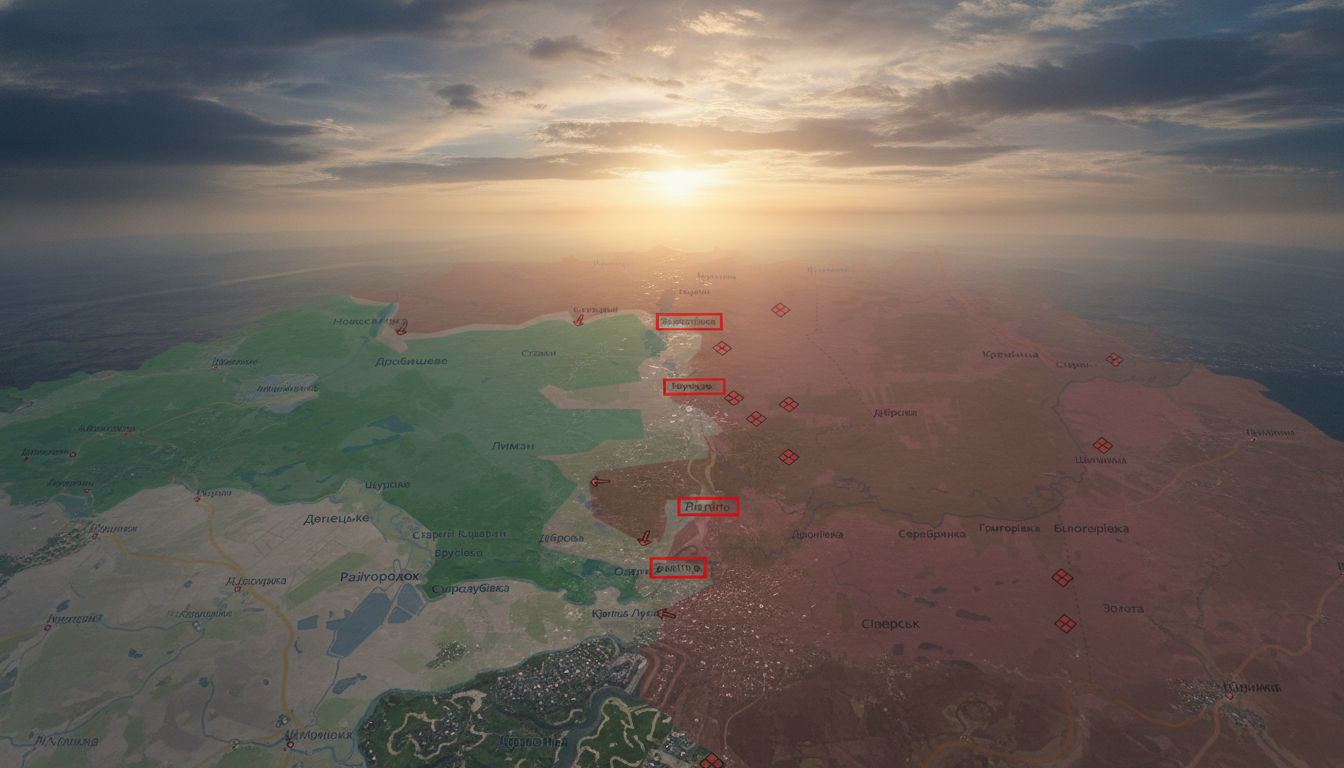
- Can Russia Capture Kramatorsk and Sloviansk? The Growing Pressure in Donetsk Region
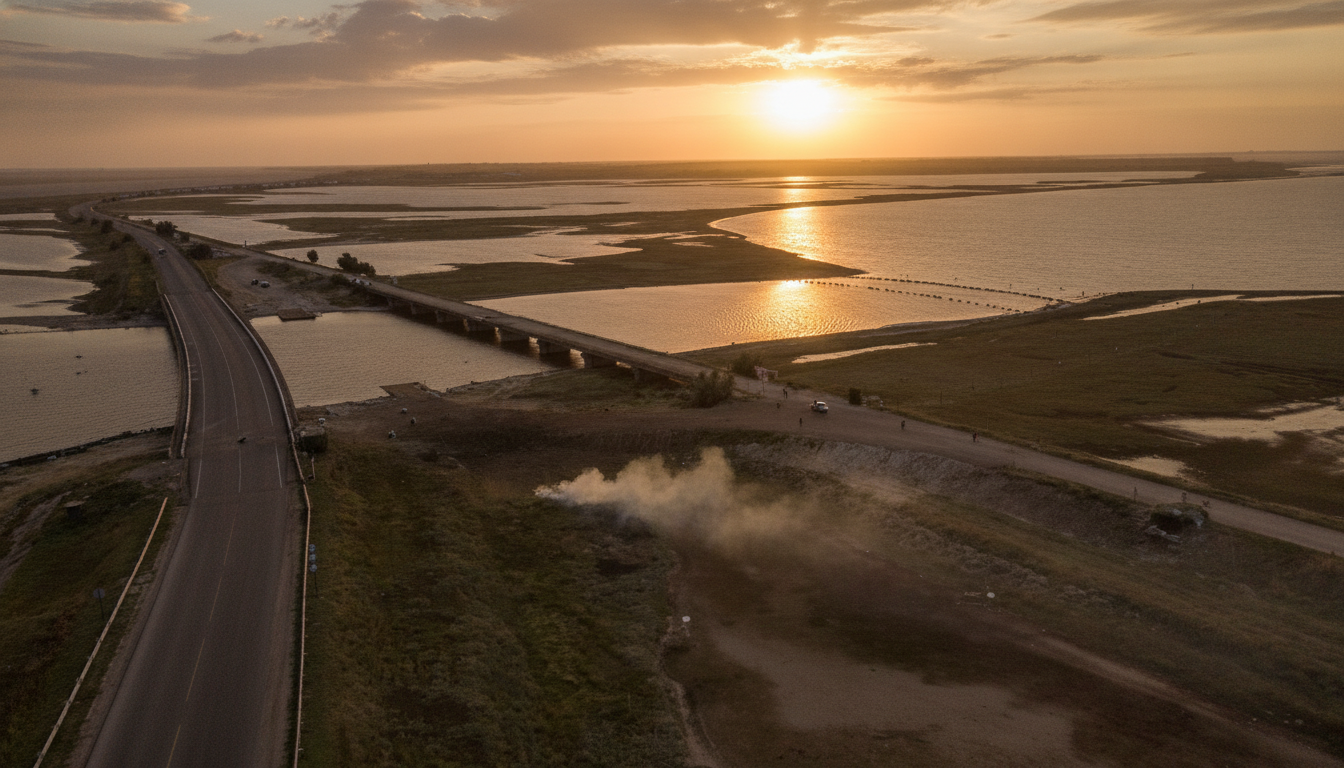
- Ukrainian Drones Cripple Chongar Bridge to Crimea: Key Details on the FrontStrike Operation
- Overnight Drone Strike in Odesa Injures Woman and Two Children
- Ukraine Disables Russian Shadow Fleet Tanker and Destroys Missile Arsenal
- Ukraine Strikes Drone Factory and Oil Refinery in Russia – Targets Hit Up to 900 Kilometers Away
- Out of 207 Russian Drones, Ukraine’s Defense Forces Downed 181: Inside the Night Assault of June 10