Pumas in Patagonia changed behavior: how penguins reduced predator conflicts.

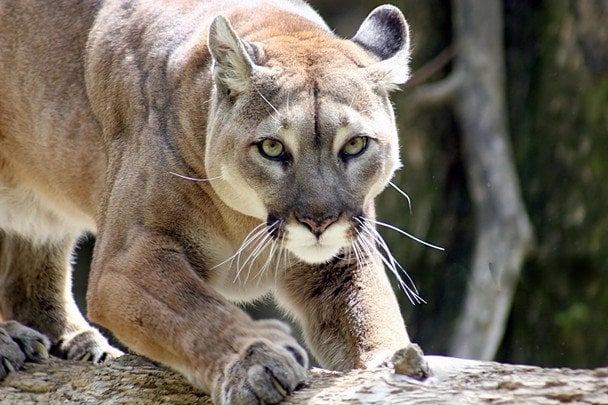
According to ТСН: In the United States, particularly in Patagonia, there is an increase in the population of Magellanic penguins and pumas (Puma concolor), which usually lead a solitary lifestyle. This has led to frequent encounters between them, helping to reduce conflicts and increase their population.
This information was published in the journal Proceedings of the Royal Society B: Biological Sciences.
"The increase in available prey, particularly penguins, has changed the social behavior of pumas. Those that hunt penguins have become more likely to meet each other and spend time in the same territory, whereas previously they mostly avoided contact."
Researchers observed 14 pumas using GPS collars and analyzed the behavior of about 40 thousand Magellanic penguins. It turned out that nine of the mentioned pumas regularly hunted penguins, while five others did not target birds as prey. Over four years, 254 encounters were recorded between pumas that hunted penguins, and only four encounters between those that did not. Most contacts occurred within a radius of one kilometer from penguin colonies.
Behavior and habits of pumas
Pumas that target penguins remain close to the colonies during the birds' breeding season, and during other times of the year, they cover much greater distances in search of food compared to those that do not hunt penguins. This allows predators to use resources more effectively and maintain a stable population.
Potential consequences
Scientists also warn that the increased presence of pumas near penguin colonies may negatively affect the reproduction of birds and other species that are not accustomed to a constant threat from predators. Researchers note that similar changes are observed in other animals. For example, koalas become more peaceful if there are neighbors nearby, bears in Italy become smaller and less aggressive when coexisting with humans, while sparrows show better health in diverse communities.
This research indicates that changes in food availability can significantly impact the social behavior and territorial use of predators, as well as ecosystems as a whole. This finding helps to better understand the interactions between predators and their prey, and to predict the consequences of returning large predators to nature after the recovery of their populations.
It is also worth mentioning that recently it was reported that over 60 thousand African penguins died due to depletion from a sharp decline in sardine populations off the coast of South Africa.
Read also
- IAEA Demands Iran Report on Uranium Stockpiles, Backed by U.S. and European Powers
- Germany’s Admiral Explains Why Ukraine Now Leads the World in Defense Innovation
- Ukraine Faces Record Night Attack: 221 Drones and Iskander Missiles Launched
- Zaporizhzhia and Sumy Under Russian Attack: Eight Wounded, Hundreds of Structures Damaged
- China Deploys HIMARS for the First Time Toward the Taiwan Strait: Exercise Breakdown
- Overnight on June 11, Russia Launches 221 Drones and Two Missiles in Massive Assault on Ukraine