The war may last longer than World War II: demographer names the reason.

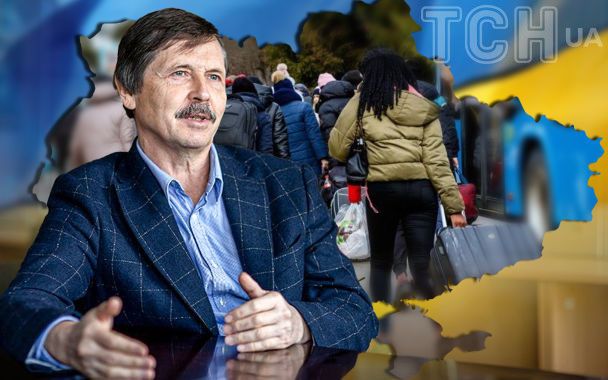
According to ТСН: The war in Ukraine against Russian aggression may drag on longer than the German-Soviet conflict of 1941-1945. The main reason for this is not only the weaponry but also the demographic factors of both countries.
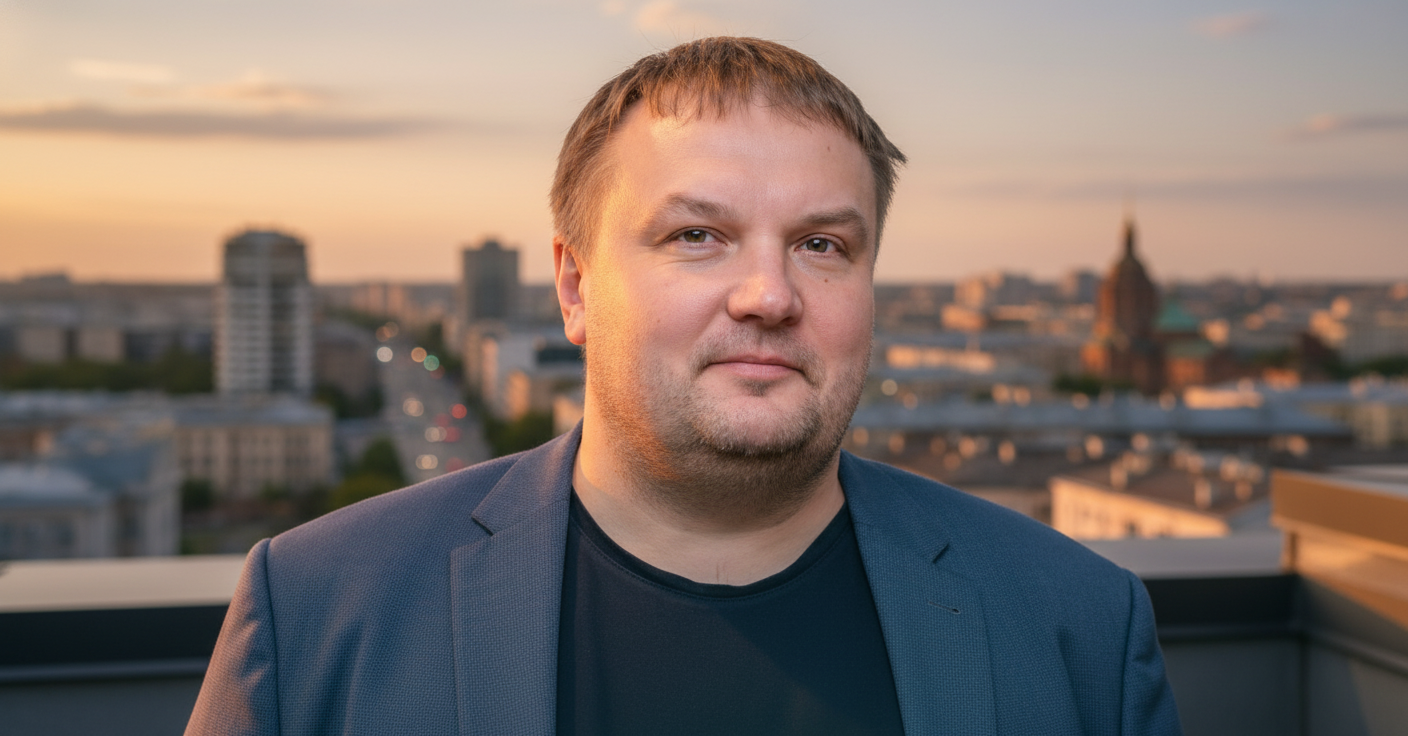
This was stated by the Deputy Director of the Institute of Demography and Social Studies named after M.V. Ptukh of the National Academy of Sciences of Ukraine.
The war of the 'old' against the 'old'
The scientist noted that the key difference between the current conflict and World War II is the age of the population involved in the fighting. Ukraine and Russia are 'aging nations.'
The average age of Ukrainians on the eve of the invasion was 42-43 years.
For Russians, this figure is just a year lower.
For comparison: at the beginning of the German-Soviet war, the average age of the population of Ukraine was only 26-27 years.
“There have practically been no wars in the world where warring states had such a respectable average age of the population. This fundamentally changes the logic of military actions and the subsequent recovery of the country,” emphasizes Hladun.
Three consequences that everyone will feel
Any war negatively affects demographics, but the intensity of these impacts varies:
Collapse of birth rates: The number of new citizens is rapidly declining.
Increase in mortality: The war takes not only soldiers but also civilians due to stress and the destruction of healthcare.
Migration tsunami: Mass emigration of people abroad, which is hard to reverse.
What is the difference between Russia's war against Ukraine and World War II
Hladun explains that World War II took place under completely different historical and economic conditions. At that time, the young age of the population allowed for quicker recovery of human resources. Now, however, the 'aging nations' suffer greater losses, as resources for recovery are significantly limited.
This demographic crisis will have long-lasting consequences that Ukraine will feel for decades after the cessation of hostilities.
Read also
- Europe Urged to Shoulder Ukraine Support as Trump Shifts Responsibility: Expert Analysis
- America’s Role in Backing a Putin-Zelensky Meeting: Trump Weighs In
- Putin Acknowledges Zelenskyy's Legitimacy for the First Time: How Drones and a Letter Shifted Russian Sentiment
- Cabinet Dismisses Deputy Defense Minister Ivan Havryliuk: Key Details
- Budanov Transforms the Presidential Office into a Governance Engine: What’s Set to Change
- Kremlin Acknowledges Receipt of Zelensky’s Letter to Putin