A Deadly Power Struggle in North Korea: Kim Yo Jong and Kim Ju Ae on a Collision Course.

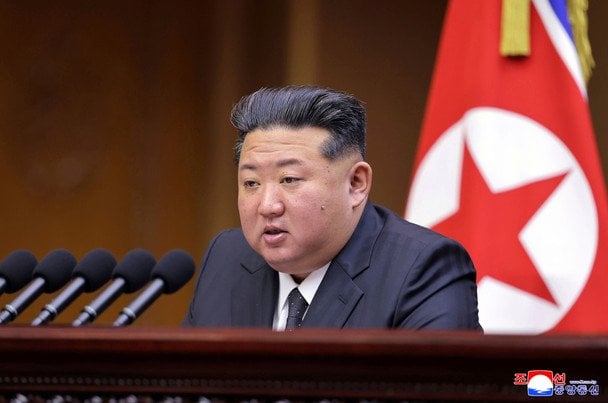
A Succession Battle in North Korea
According to TSN.ua: North Korea is witnessing an intensifying power struggle between Kim Yo Jong and Kim Ju Ae, which could escalate into a fatal internal conflict. Kim Ju Ae is widely considered the most likely candidate to become the country's next leader, a prospect that has heightened tensions within the political elite. In this high-stakes contest, Kim Yo Jong, the 38-year-old head of propaganda and the second most powerful figure in the state, has emerged as a pivotal player.
Current leader Kim Jong Un is expected to formally name a successor before he becomes incapacitated, a move that makes a direct clash between Kim Yo Jong and Kim Ju Ae increasingly probable. As political expert Edward Howell observes,
"we cannot rule out a power struggle between aunt and niece", highlighting the precarious nature of the situation. Succession in the secretive, nuclear-armed state is always a perilous process with global implications.
Historical Precedent and Potential Fallout
The historical context underscores the brutal nature of political calculus in the DPRK. Kim Jong Un's execution of his uncle, Jang Song Thaek, in 2013 demonstrates the leadership's readiness to employ extreme measures to consolidate power. Should one side lose this struggle, the 'cleansing' of the opposing faction could be carried out with extreme prejudice, as noted by expert Fedor Tertitskiy. Consequently, the rivalry between Kim Yo Jong and Kim Ju Ae threatens to have severe repercussions for North Korea's political stability.
The situation reflects deep internal contradictions within the ruling elite, with potential consequences extending far beyond the country's borders. Power struggles in authoritarian regimes often lead to periods of instability, which could directly impact North Korea's foreign policy, including its relations with neighboring states and the international community. Observers of the region must consider scenarios for escalating conflict, as any shift in the political landscape could significantly affect security across the Asia-Pacific.
Read also
- NATO Backs New €70 Billion Package for Ukraine: How Germany’s Proposal Shifts the Burden
- Ceasefire Not Putin’s Goal: Expert Identifies Key Hurdle to Peace
- Drone Strikes Shatter Putin's Security Narrative: What Happened at the St. Petersburg Forum
- A New Signal to Washington and Europe: Zelenskyy Pens an Open Letter to Putin
- NATO Eyes €70 Billion Aid Package for Ukraine – What’s Inside the Proposal
- Armenia’s Ruling Party Seeks to Disqualify Rivals from Election Over Bribery Allegations