UK and Allied Intelligence Confirm Navalny's Murder Using Epibatidine Toxin.

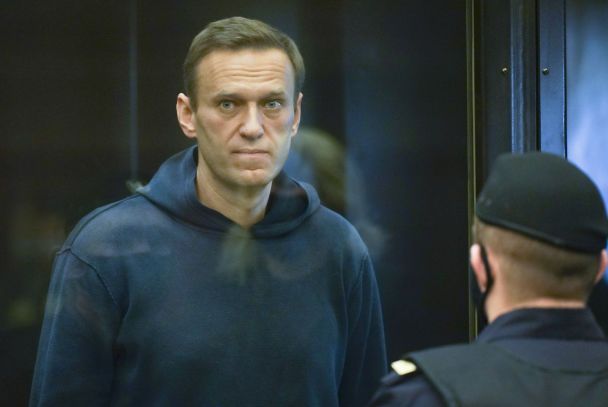
The Death of Alexei Navalny
According to TSN.ua: The British government and key European allies have officially confirmed that Russian opposition politician Alexei Navalny was killed by poisoning with the toxin epibatidine. This conclusion, announced by the UK Foreign Office and supported by Sweden, France, Germany, and the Netherlands, follows his death in an Arctic penal colony two years ago at the age of 47. Russian authorities formally declared him dead on February 16, 2024. Navalny's death is widely seen as a politically motivated assassination, highlighting the extreme dangers faced by Kremlin critics.
Laboratory analyses conducted in five European countries confirmed the poisoning. The epibatidine toxin used is 200 times more potent than morphine. From the outset, Navalny's widow, Yulia Navalnaya, asserted he was poisoned and has publicly identified Russian President Vladimir Putin as his murderer, demanding accountability for his crimes.
International Community's Response
The case has provoked a major international outcry, with the unified response from allies underscoring the incident's gravity. Navalny's killing has drawn global attention to human rights abuses in Russia and the lethal threats confronting opposition figures, prompting calls for a reassessment of Western policy toward Moscow.
Yulia Navalnaya: 'Vladimir Putin is a murderer, and he must be held accountable for his crimes.'
This event has intensified debates over the international response to human rights violations. Statements from European governments point to potential further diplomatic actions, including sanctions against Russia. It is likely to fuel renewed demands from Western nations and human rights organizations for a tougher stance and policy changes regarding the Kremlin.
Read also
- Putin Admits Frontline Struggles and Issues ‘Oreshnik’ Threat: New Dangers for Ukraine
- Why the Kremlin Has Stepped Up Oreshnik Strikes: Russia Faces Reputational Damage in 2026
- Putin Acknowledges Russian Military Setbacks: 'Progress Not as Fast as We Would Like'
- How Russian Intelligence Attempted a Staged Incident in Belarus—And Why a Press Conference with a Ukrainian Prisoner Was Thwarted
- When Putin Might Actually Be Ready for Negotiations: A Political Scientist’s View
- Ukraine Forces Expert: Russia’s ‘Oreshnik’ Missile Is a Tool for Psychological Warfare