When Putin Might Actually Be Ready for Negotiations: A Political Scientist’s View.

Assessing the Situation in Ukraine
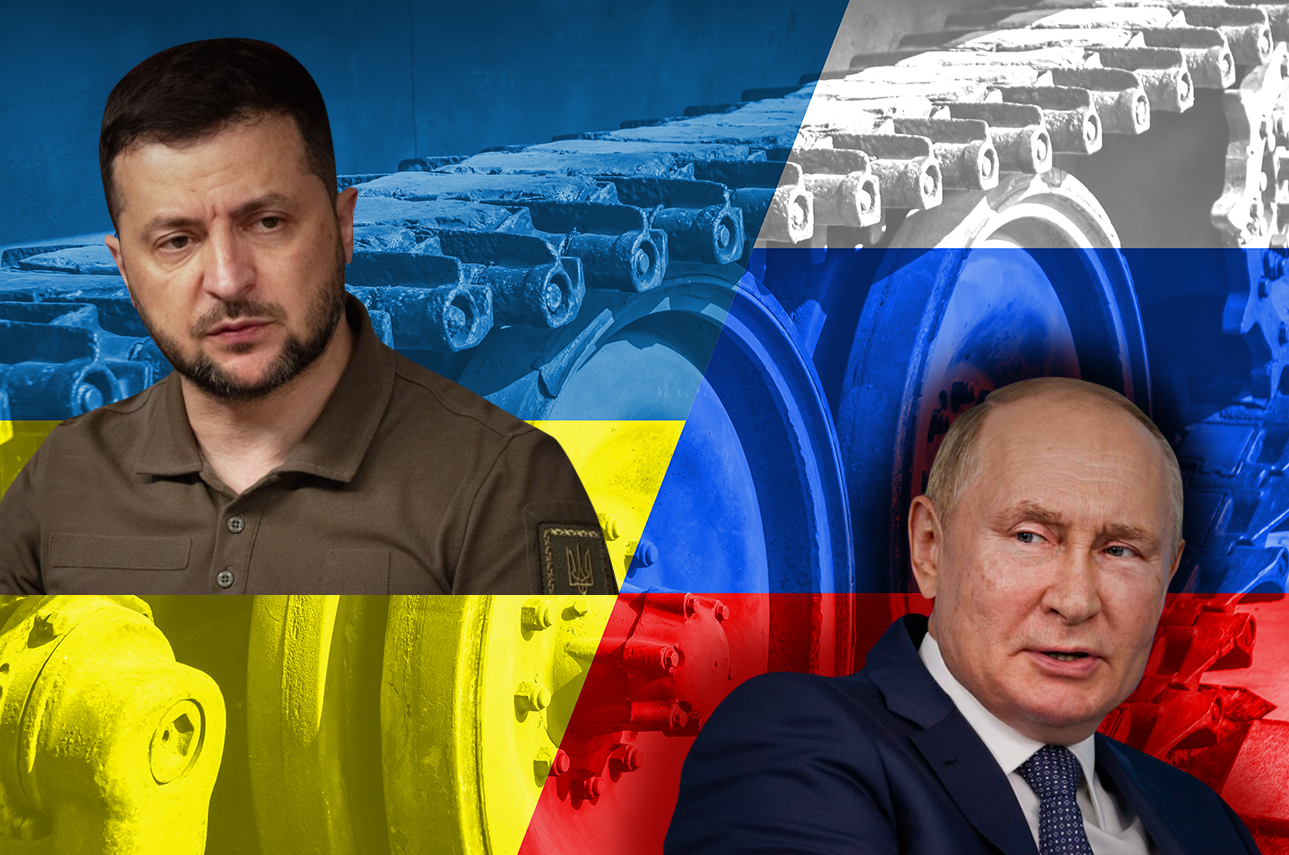
According to Espreso.tv: Political analyst Ihor Reiterovych has weighed in on the conflict in Ukraine and Russia’s wartime posture, suggesting that Russian President Vladimir Putin could genuinely be open to talks by 2026. Reiterovych stresses that developments on the ground must be closely monitored, as they will shape the broader political landscape in the region.
According to Reiterovych, Putin aims to seize the entirety of Donetsk Oblast by November. This points to an intensified Russian military campaign that could significantly alter the conflict's trajectory. The analyst argues that Putin’s actual readiness to negotiate will largely hinge on how the frontline situation evolves.
“When all the pieces finally fall into place, Putin will announce it to his inner circle—and only then will we see that he is truly prepared for negotiations. In reality, this window of opportunity could open just as Zelenskyy and several European leaders have suggested: possibly by the fall of 2026.”
Ihor Reiterovych
This perspective underscores the analyst’s belief that 2026 could be a pivotal year for potentially restarting diplomatic contact between Ukraine and Russia.
At the same time, the role of international leaders cannot be overlooked. Finnish President Alexander Stubb, for instance, could also influence the regional situation, as European nations remain closely engaged with the conflict and its implications for continental security.
Outlook for Negotiations
In short, the situation in Ukraine remains highly complex, and the prospect of future talks demands continued expert scrutiny and attention.
The ongoing military operations and political shifts in Ukraine keep the situation tense, with potential to reshape how the conflict unfolds. Russia’s position—particularly Putin’s intentions—could dramatically alter regional dynamics. Given the possibility of negotiations emerging in 2026, the international community must stay prepared to take active steps to foster a peaceful resolution. The significance of this timeframe is further highlighted by the active involvement of European leaders, who may help steer the course of events.
Read also
- Kremlin Eyes Fresh Mobilization Drive: Up to 500,000 Troops Could Be Deployed to the Front
- Putin’s Economic Claims Exposed as Manipulation by Ukraine’s Disinformation Center
- Putin Abandons Plans to Return Occupied Lands to Ukraine: What We Know About the So-Called 'Buffer Zones'
- Russia Planning a New Fall Mobilization: When Recruits Could Reach the Front Lines
- Feigin Reveals Putin's Litmus Test: When Mobilization Plans Will Become Clear
- Putin Now Acknowledges Ukraine's Strength, Says Former Polish Defense Minister, Marking a Turning Point in the War