Ukraine Forces Expert: Russia’s ‘Oreshnik’ Missile Is a Tool for Psychological Warfare.


Vladyslav Seleznyov Weighs In on the 'Oreshnik' Missile
According to Espreso.tv: Retired Armed Forces of Ukraine Colonel Vladyslav Seleznyov has shared his assessment of the Russian military’s potential deployment of the RS-26 'Oreshnik' ballistic missile in Ukraine. He argues that this move is likely part of a broader information-psychological pressure campaign. Seleznyov, who served as a spokesperson for the General Staff of the Armed Forces of Ukraine from 2014 to 2017 and now works as a military analyst, believes that once such operations begin, they are virtually impossible to halt.
How the 'Oreshnik' Missile Is Being Used
The 'Oreshnik' missile is being employed in a conventional configuration, carrying inert dummy warheads rather than nuclear payloads. Three confirmed strikes using this missile have been recorded on Ukrainian territory:
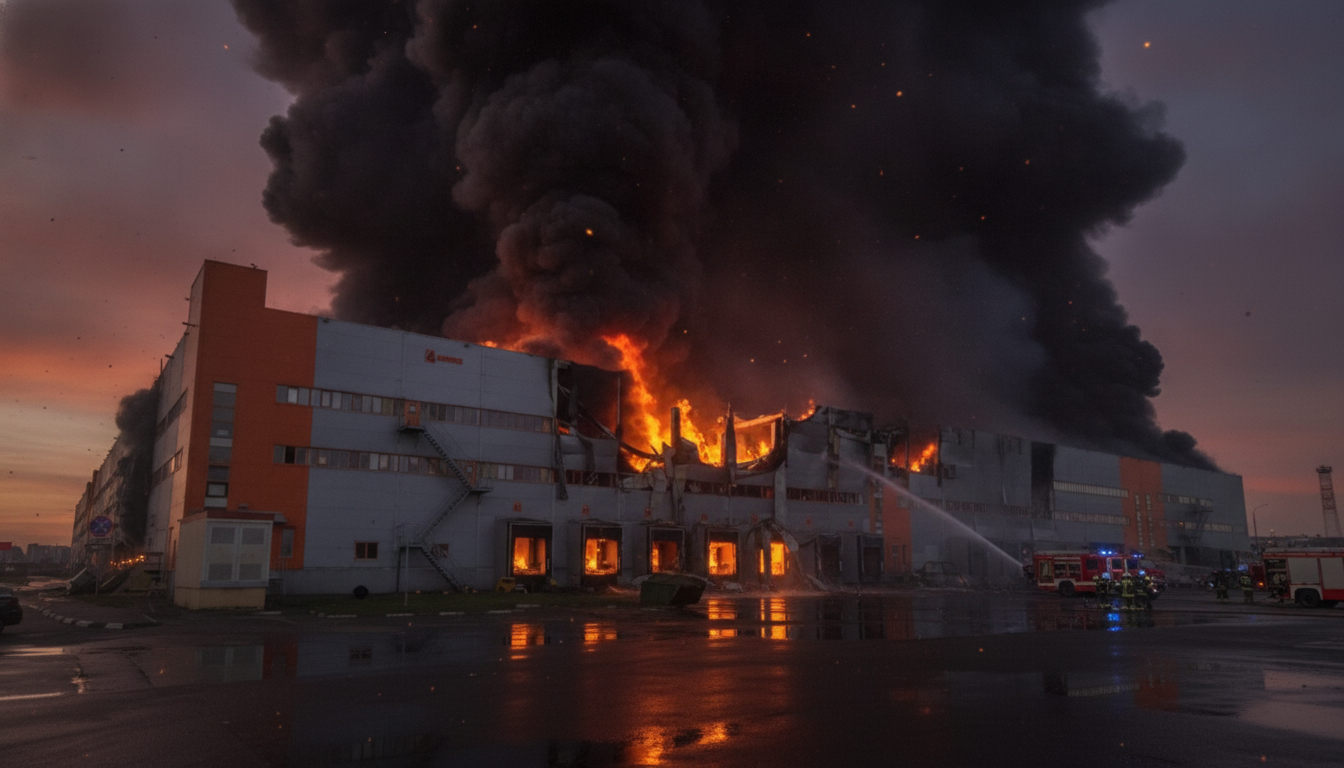
- The first strike targeted the Pivdenmash plant in Dnipro;
- The second occurred near Lviv;
- The third hit Bila Tserkva.
These attacks highlight Russia’s growing reliance on this particular weapon system.
According to available information, on November 21, 2024, Vladimir Putin claimed that Russia had tested the 'Oreshnik' missile during an assault on Dnipro. Later, on the night of January 9, 2026, Russian forces used the same missile in a strike on Lviv. Then, on May 24, 2026, Russia launched an 'Oreshnik' missile from the Kapustin Yar test range toward the Bila Tserkva area.
'Despite Russia’s aggressive actions, I believe that this time the aggressor country will lose, just as it has in previous wars.' — Vladyslav Seleznyov
In his remarks, Seleznyov emphasized that such statements reflect his confidence in Ukraine’s ability to withstand external threats, even as new challenges emerge over the course of the conflict.
The deployment of the 'Oreshnik' missile underscores Russia’s continued military aggression against Ukraine, particularly its efforts to exert psychological pressure on the Ukrainian population. Nonetheless, experts like Seleznyov remain optimistic about Ukraine’s capacity to defend its territory and sovereignty. This growing resilience among Ukrainian forces demonstrates their ability to adapt to new threats as the war evolves.
Read also
- Russian Army to Grow by 27,000 Troops as Putin Signs Third Expansion Decree This Year
- New Civil Defense Protocols from Russia’s Rosgvardiya: Mobilization and Wartime Safeguards Added for the First Time
- Kremlin Eyes Fresh Mobilization Drive: Up to 500,000 Troops Could Be Deployed to the Front
- Putin’s Economic Claims Exposed as Manipulation by Ukraine’s Disinformation Center
- Putin Abandons Plans to Return Occupied Lands to Ukraine: What We Know About the So-Called 'Buffer Zones'
- Russia Planning a New Fall Mobilization: When Recruits Could Reach the Front Lines