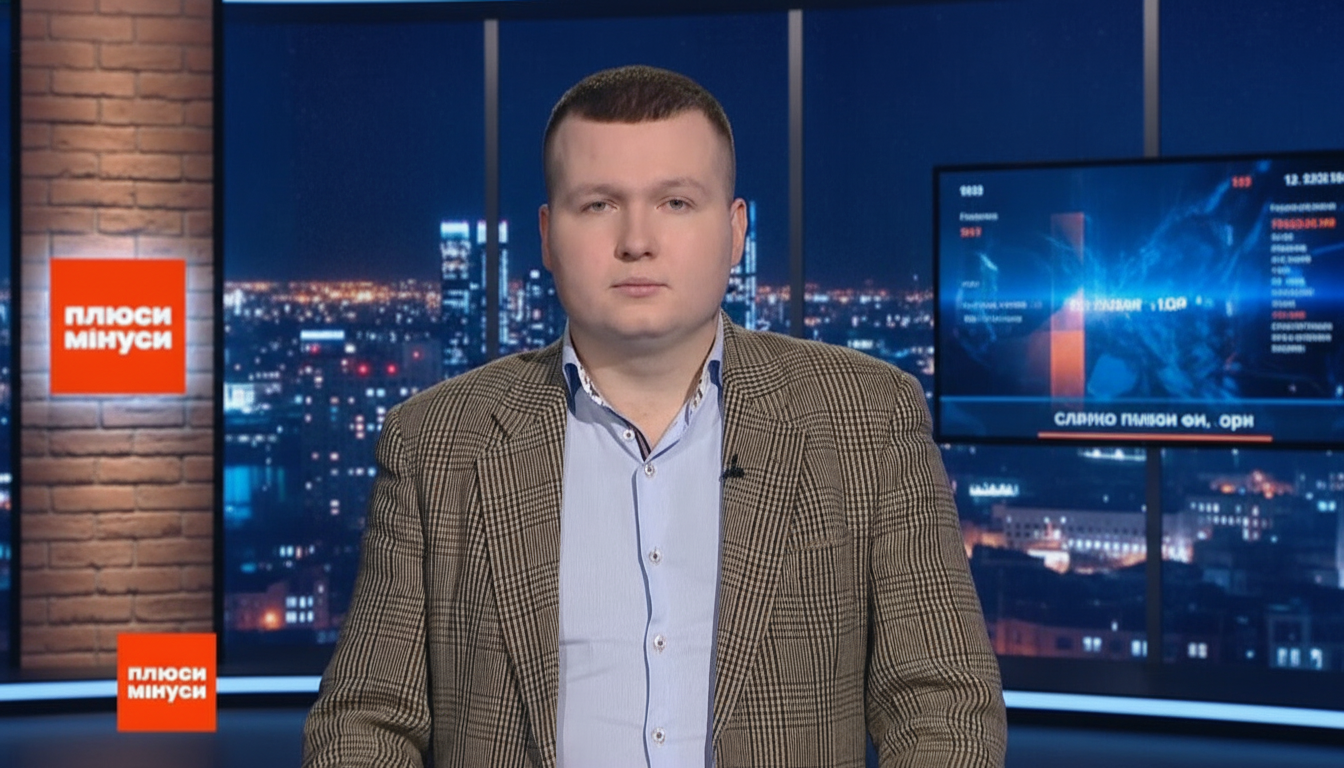
Why Employers Cannot Set the Duration of Military Mobilization Deferrals.


Mobilization Deferrals: Current Relevance and Challenges
According to Novyny.live: The issue of mobilization deferrals is a pressing concern for Ukrainian employers, who lack the authority to determine how long these protections last for their staff. The duration is instead dictated by a company's official status, creating a complex situation for many firms deemed critical to the nation's wartime economy. This system is a key part of Ukraine's effort to balance military needs with economic stability during the ongoing conflict.
Deferrals from military call-up are granted to employees of businesses recognized as critically important to Ukraine's economy. The standard deferral period is issued for 12 months. However, this term can be shortened if a company needs to renew its critical status. As Yuriy Aivazian notes,
"employers do not have the technical ability to set the deferral period."This underscores the limited influence employers have over the procedure.
The Crucial Role of a Company's Official Status
The reason an employer cannot influence the deferral's length lies entirely in the company's state-assigned status. Typically, deferrals are granted for 12 months, but never for longer than the company's designation as critical remains valid. This indicates that any change in status can directly affect the possibility of extending or reducing the deferral term. Consequently, businesses aiming to retain their workforce must adhere to the established conditions and rules governing the deferral process.
The mobilization deferral situation in Ukraine highlights how vital a company's official status is for preserving skilled labor in essential sectors. Given the military challenges facing the country, supporting these enterprises is crucial for maintaining economic stability. Amid ongoing uncertainty, businesses must adapt to evolving deferral requirements and regulations to ensure operational continuity and prevent the loss of key personnel.
Read also
- Russia’s Budget Deficit Could Hit 7 Trillion Rubles—What Are the Default Risks?
- Expert Sets Critical Threshold: 60% of Russia's Oil Refining Capacity Must Be Destroyed
- Russia Faces Imminent Fuel Crisis: Why Refinery Recovery Is Nearly Impossible, Expert Warns
- Economist identifies Russia's point of no return: why it can never reclaim its place among global economic leaders
- Deadly Fuel Lines in Russia as Authorities Divert Gasoline to Moscow Amid Shortage
- Fuel Crisis Hits Russia: Military Gets Only 30% of Needed Supply After Ukrainian Strikes