Budanov Reveals Russia’s Top Threats to Ukraine: Iskander Missiles, S-400 Systems, and Cruise Missiles.

Key Threats Ukraine Faces from Russian Weapons
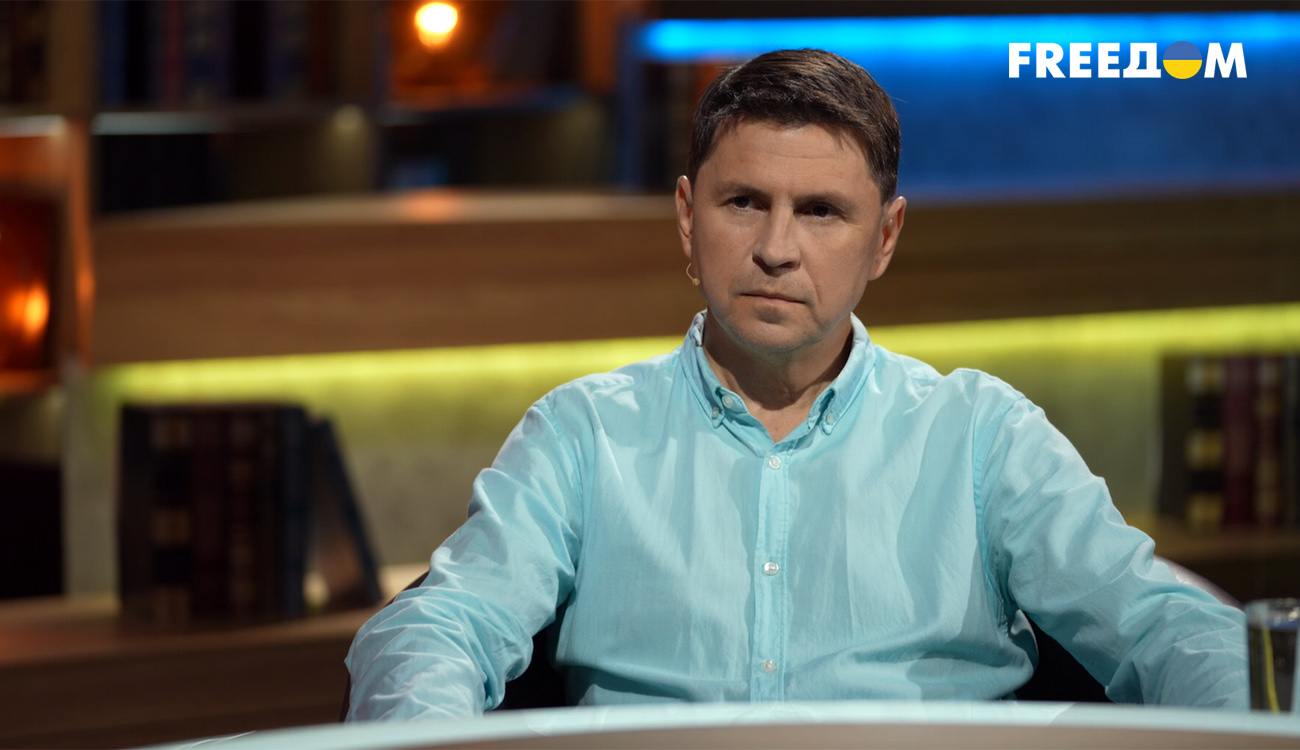
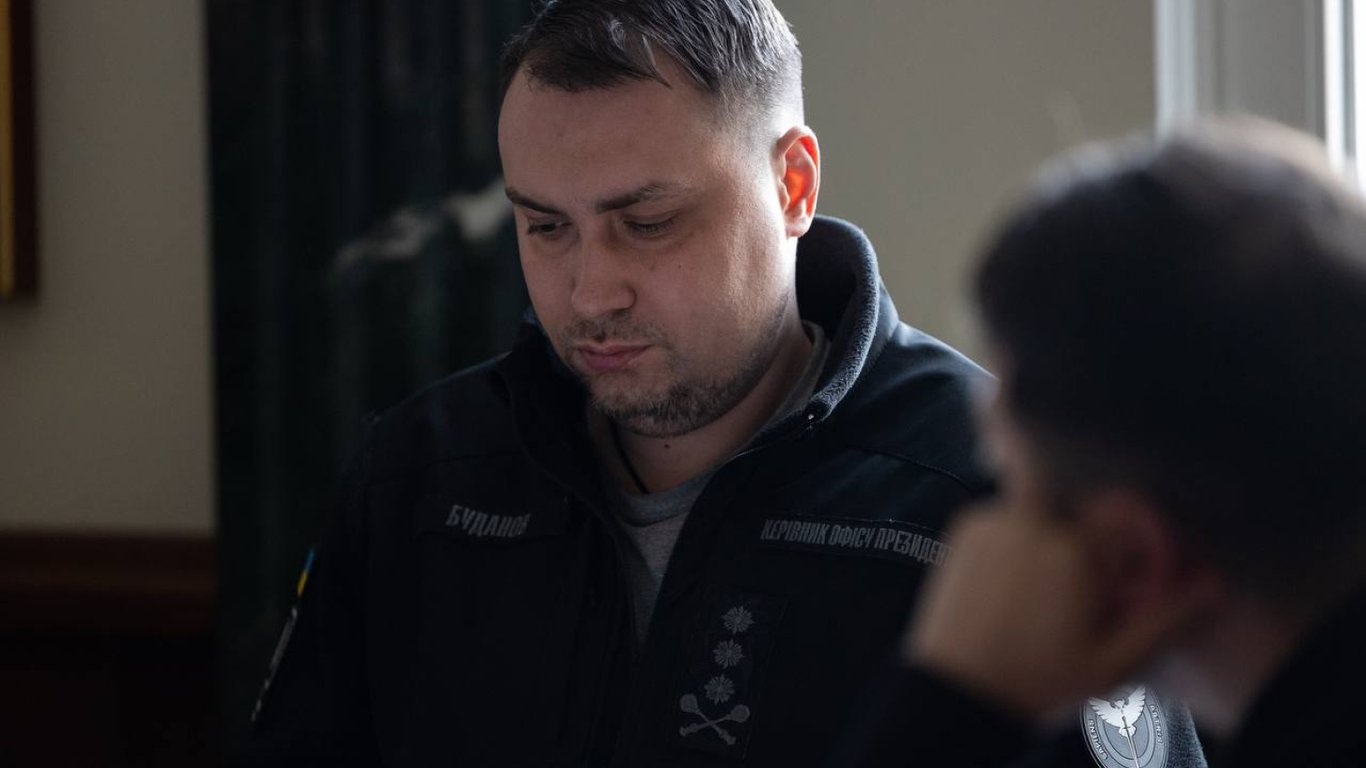
According to Novyny.live: Kyrylo Budanov, head of the Office of the President of Ukraine, identified the most pressing dangers posed by Russian military hardware. He specifically highlighted Russia’s vast stockpiles of cruise missiles, S-400 air defense systems, and Iskander ballistic missiles. Budanov also noted that Ukrainian strikes on Russian soil have begun to erode public morale within Russia.
Ukraine launched its first aerial attacks on Russian territory in late 2022. According to Budanov, these operations shocked Russian society, which was mentally unprepared for mass drone and missile strikes.
“For them, this is a real problem because their society was not morally ready for drones and missiles to fly in en masse. It’s a shock for them.” — Kyrylo Budanov
Budanov also stressed the immense losses suffered by the Russian army during combat. He pointed out that occupying forces have failed to capture Stepnogorsk in the Zaporizhzhia region for over a year. However, Russia still possesses the economic capacity to sustain a prolonged war, which could complicate Ukraine’s situation further.
Fuel Supply Issues in Russia
In addition to battlefield challenges, Russia is grappling with fuel shortages. The country banned the export of aviation fuel after successful Ukrainian attacks on oil refineries and pumping stations disrupted supply chains.
“Our more immediate problem is the usual ones—Iskander missiles, the S-400 system used for ground strikes, air- and sea-launched cruise missiles, and, unfortunately, unmanned aerial vehicles.” — Kyrylo Budanov
As a result, the situation in Ukraine remains tense, with Russian weaponry posing a serious threat while Ukrainian counterstrikes impact enemy morale. On one hand, Ukrainian forces are demonstrating battlefield effectiveness, which affects the psychological state of Russian troops and civilians. On the other, Russia retains significant military resources, creating major challenges for Ukraine in a drawn-out conflict. These factors underscore the need for ongoing monitoring and adaptation of Ukraine’s defense strategy.
Read also
- NATO Summit in Ankara: Rutte and Trump Address Russian Threats and Air Defense for Ukraine
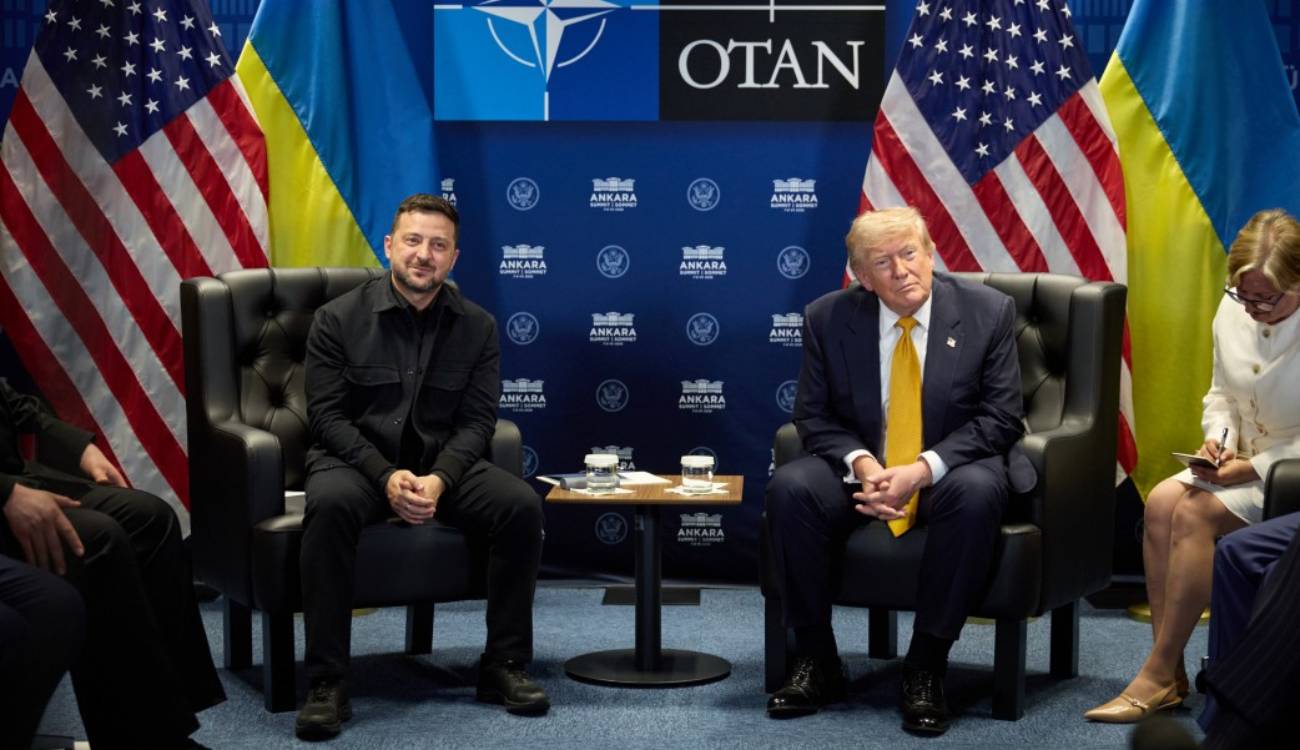
- Patriot missile technology transfer to Ukraine agreed by Zelenskyy and Trump in Ankara
- European Parliament Endorses Start of EU Accession Talks with Ukraine: First Negotiation Cluster Expected in June 2026
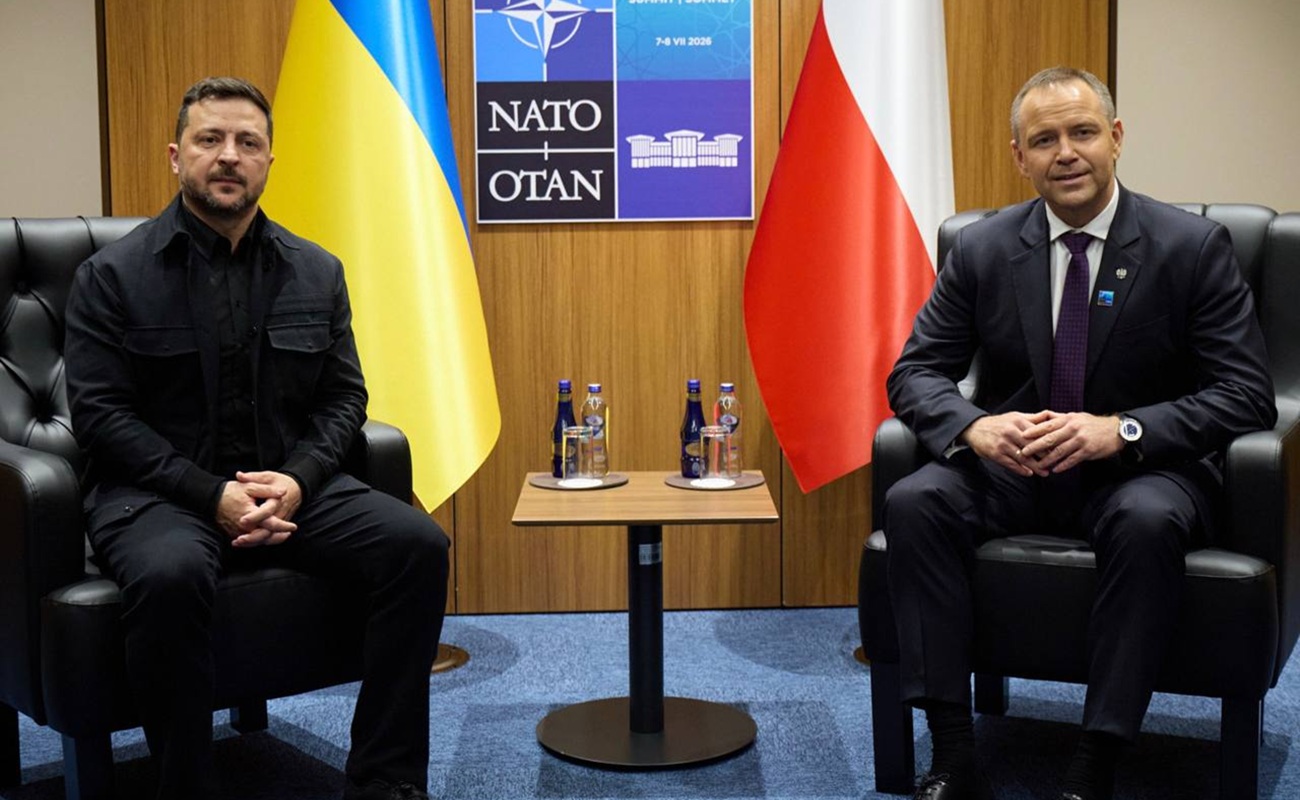
- Ukrainian and Polish Presidents Meet in Ankara: Key Takeaways from the Zelenskyy-Nawrocki Talks
- Ukraine to Receive License for Patriot Missile Production, Trump Announces
- Ukraine Overhauls Driver’s License Rules: New Validity Periods and Medical Checks Introduced