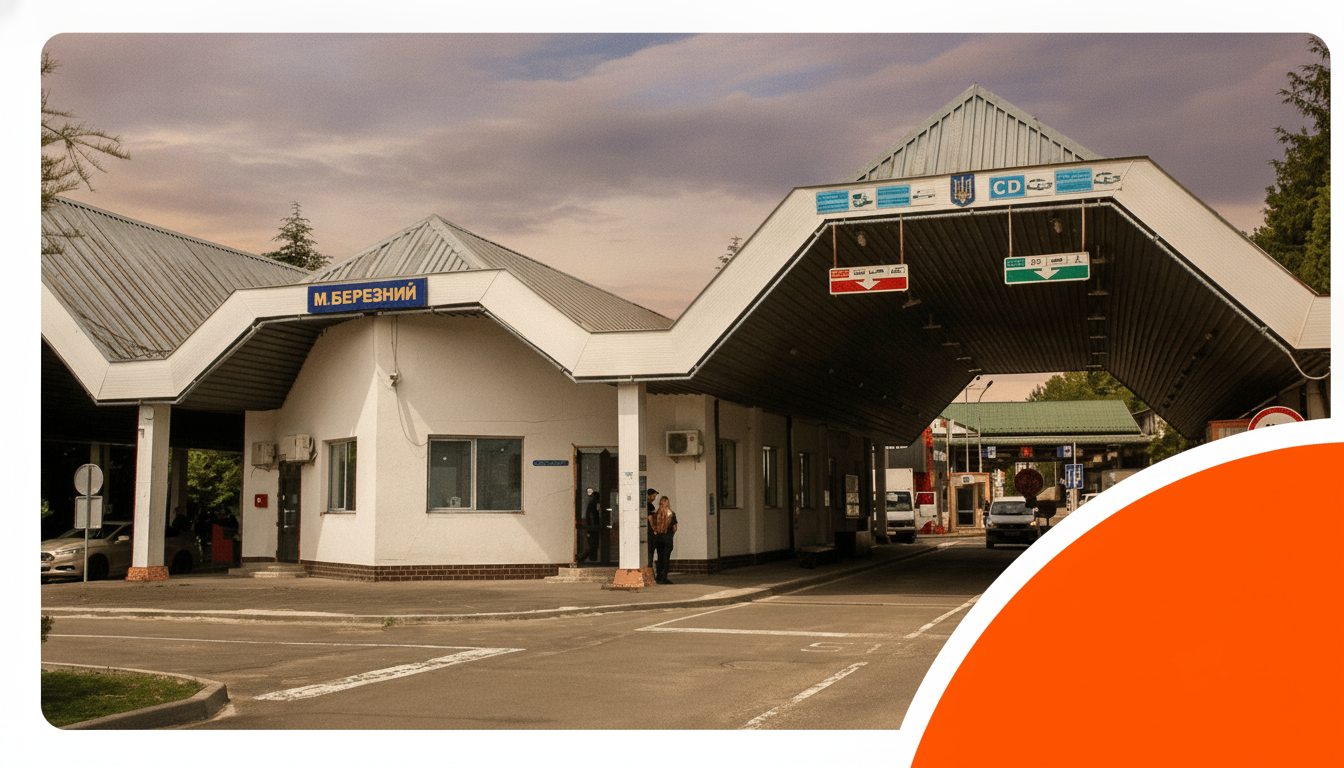
Border Crossing Backlog on February 17th: Polish Checkpoints Face Peak Pressure.

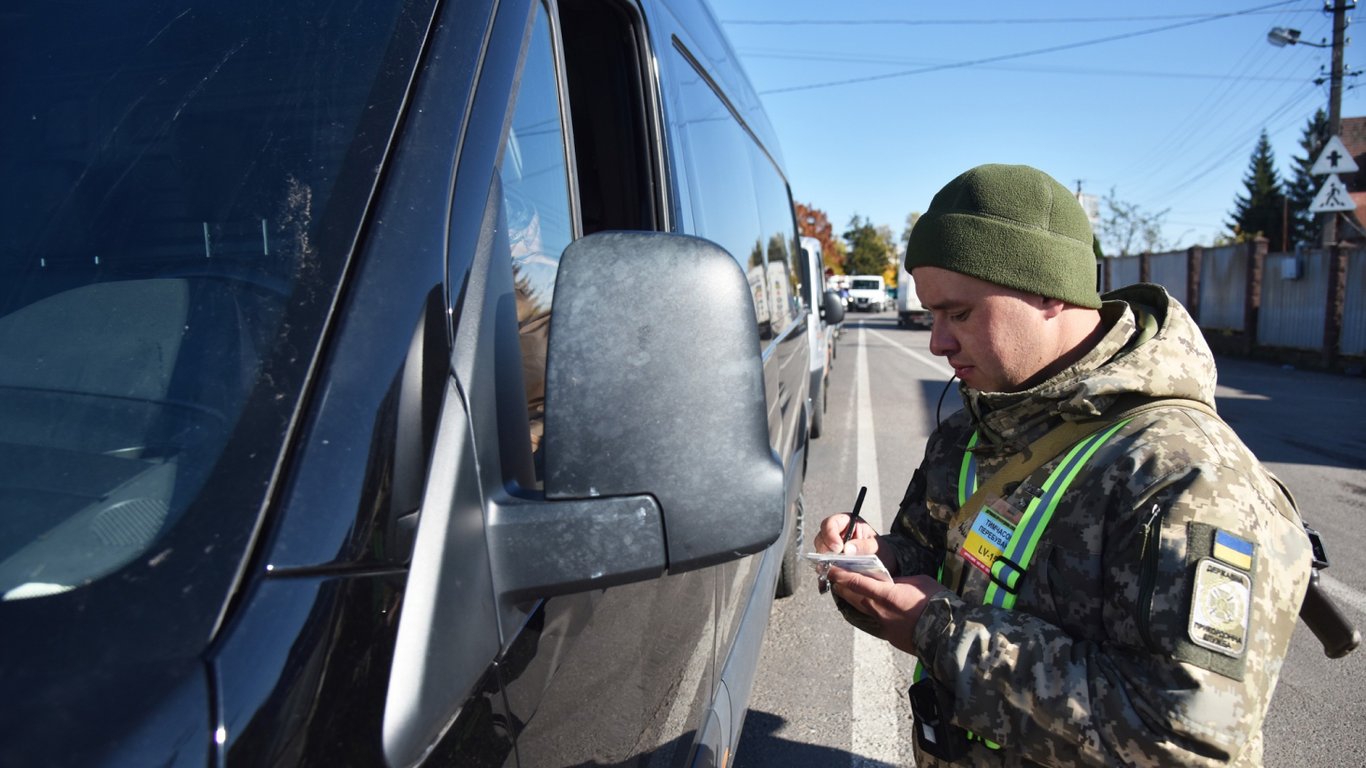
Ukrainian Border Queues on February 17th
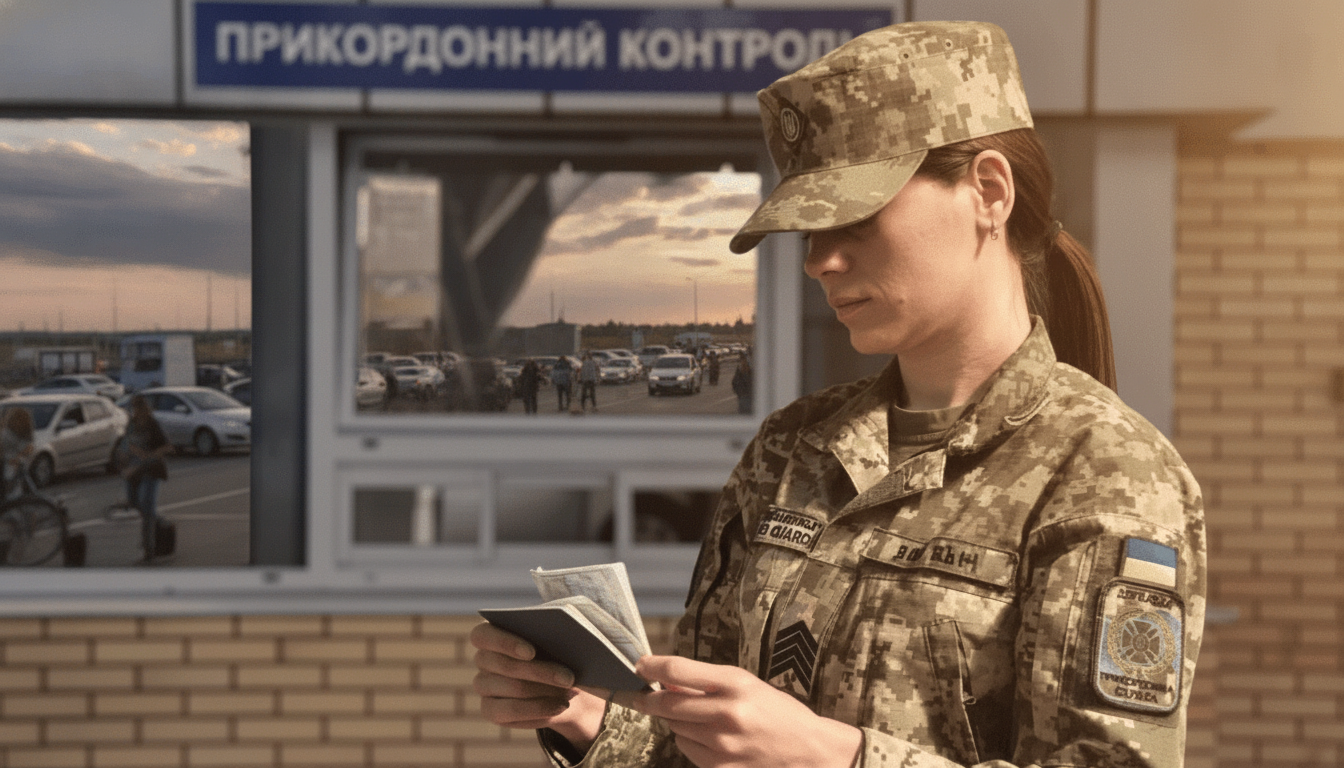
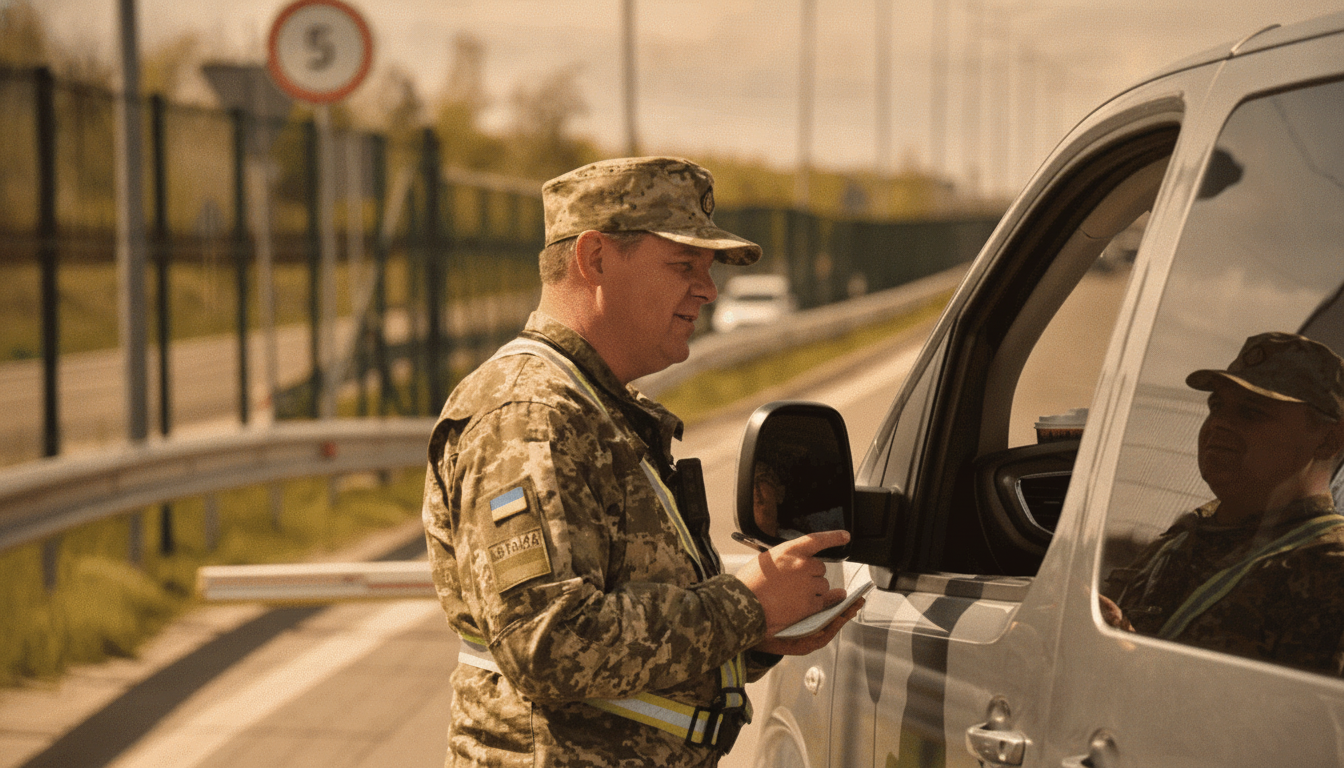
According to Novyny.live: Significant traffic queues formed at Ukrainian border crossings on February 17, 2023, with the heaviest pressure observed on routes exiting towards Poland. Border authorities also issued warnings about congestion in the direction of Hungary and Slovakia.
Queue Status by Border
-
Poland
The border with Poland experienced the highest vehicle volume. At the 'Yahodyn' checkpoint, no buses were recorded, while the 'Ustyluh' crossing had a queue of 15 passenger cars, and the 'Shehyni' crossing had 25 passenger cars waiting.
-
Slovakia
The situation at the Slovakian border was also strained. At the 'Uzhhorod' checkpoint, a queue of 10 passenger cars was documented on that day.
-
Hungary
A queue of 10 passenger cars was also observed at the 'Tysa' checkpoint on the Hungarian border.
-
Romania
The border with Romania was less congested, with no passenger cars or buses recorded at the 'Diakove' checkpoint.
-
Moldova
Similarly, no queues were present at the Moldovan border crossing 'Mamalyha,' with no passenger cars or buses waiting.
In summary, a significant traffic surge was seen at Ukrainian border crossings on February 17th, particularly for exits to Poland, with additional queues forming at the Slovakian and Hungarian borders. Conversely, the borders with Romania and Moldova remained clear. These crossing points have been critical routes for people and goods since the onset of the full-scale invasion.
The substantial queues indicate increased vehicle flow, which may be linked to seasonal factors like winter holidays or business activity. The absence of lines at the Romanian and Moldovan borders suggests differing demand for using these specific crossing points. Analyzing this situation can aid in future planning for border guard operations and improving infrastructure on the busiest routes.
Read also
- Montenegro Set to Scrap Visa-Free Travel for Russians and Belarusians: Effective Date Revealed
- Slovakia Halts Schengen Tourist Visas for Russians: Who Can Still Enter?
- Long Lines at Ukraine’s Border on July 6: Hundreds of Cars and Pedestrians Queue to Enter the EU
- July 5 Border Chaos: 15 Checkpoints Blocked Across Four Countries
- New Entry Rules for Moldova: What Drivers in the Odesa Region Need to Know
- 2026 ETIAS Launch by EU: Which Ukrainians Are Exempt from the Permit Requirement