Strabismus in Children and Adults: When to See a Doctor.

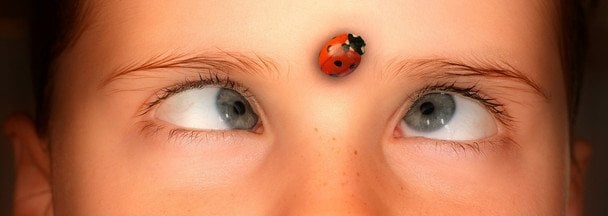
According to ТСН: Crossed eyes do not pose any problems if done intentionally. However, if strabismus appears suddenly or becomes permanent, this may be a reason to consult a specialist.
Dr. Agarwal explains that the eye consists of six muscles that control its movement. When the eyes are crossed intentionally, the medial rectus muscles are activated, allowing them to look inward, and this will not lead to persistent strabismus.
“Nothing bad will happen if you cross your eyes for fun,” adds Agarwal.
When Crossing Eyes Can Be a Problem
In infants and children under one year: if strabismus is observed for a long time, it may indicate serious health issues. In some cases, surgical intervention may be needed to correct vision.
In preschool children: uncorrected hyperopia can cause strain on the eye muscles, leading to strabismus. This is usually resolved with glasses.
In adults: sudden eye crossing may indicate a stroke or other serious neurological issues. In this case, it is important to urgently see a doctor.
Dr. Agarwal notes that any brain injuries, tumors, or inflammation around the nerves that control eye movement can also lead to strabismus.
If you or your child consciously cross your eyes for fun, it is completely safe—your eyes won’t get 'stuck'. However, sudden or permanent eye crossing at any age should be considered a signal to visit a doctor.
“Your eyes are a window to your body's health,” sums up the ophthalmologist.
Remember, proper nutrition can also help prevent vision problems, although carrots are not the only important food in this context. Maintaining eye health requires a comprehensive approach, so it is important to lead an active lifestyle and follow doctors' recommendations.
Read also
- Why Drinking Water from a Plastic Bottle Left in Your Car Is a Dangerous Habit
- Heatwave Alert: 150 Million at Risk as Ukraine Faces Temperatures Up to 35°C
- Europe's Deadly Heat Wave: Over 1,300 Deaths and 150 Million at Risk
- Shingles Vaccine Linked to 20% Lower Dementia Risk: Four Pillars of Longevity
- Deadline June 30: What Happens to Ukraine’s 2000 Hryvnia Health Screening Payouts
- Medication Shortage in Ukraine Forces Cancer and Epilepsy Patients to Seek Treatment Abroad